Urban Atmospheres
Overview
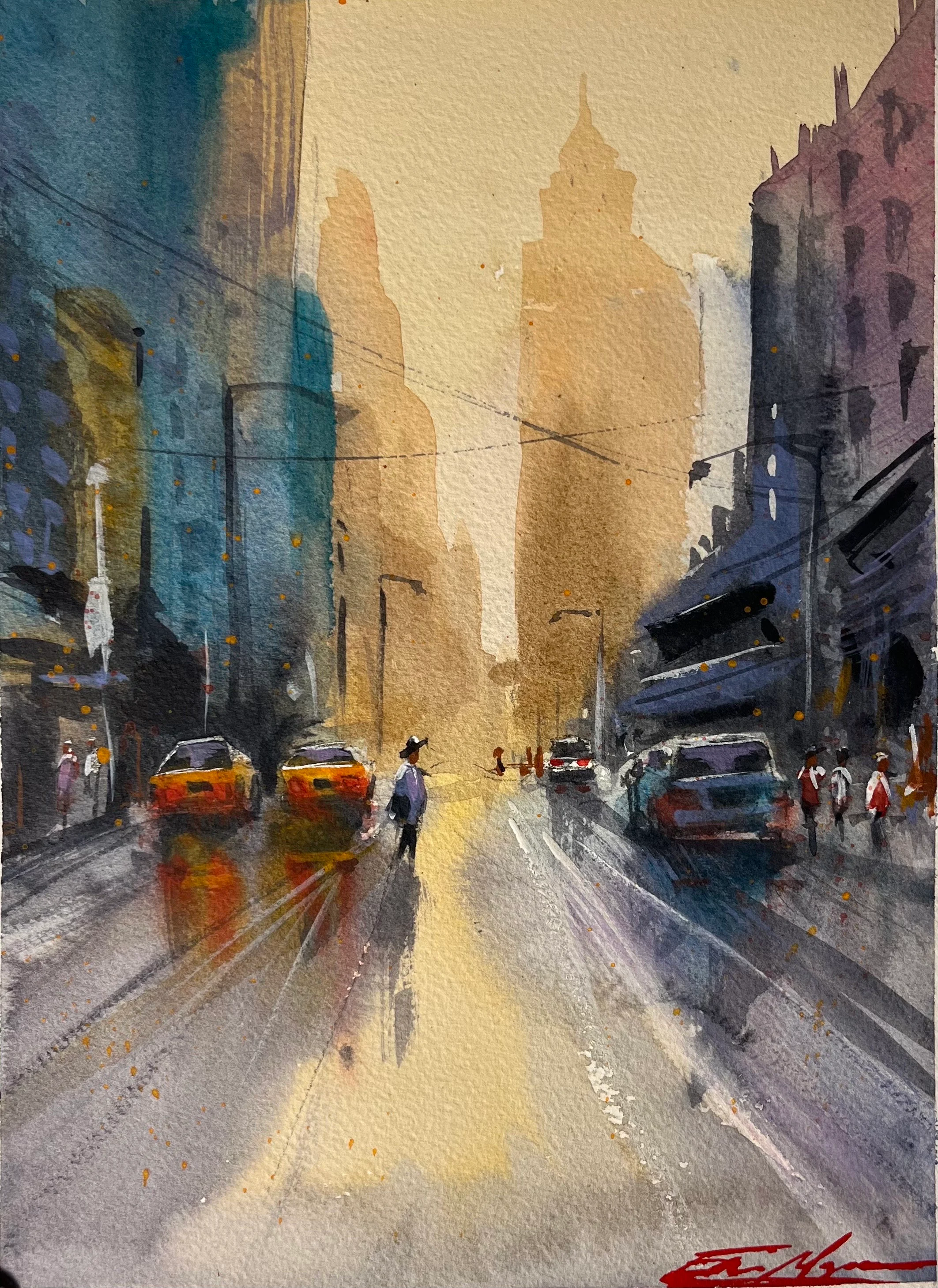
In this AP-level assignment, students will create a detailed cityscape using watercolor with ink drawing accents, exploring both atmospheric depth and linear structure. Students will focus on combining the fluidity and tonal variation of watercolor with the precision and contrast of ink to convey architectural forms, perspective, and mood.
Inspired by artists such as John Singer Sargent, who captured urban and architectural spaces with expressive washes, and Edward Hopper, known for his dramatic urban scenes and attention to light, students will explore how line and wash can work together to define space, structure, and atmosphere in an urban environment.
This project emphasizes perspective, value, atmospheric depth, and the interplay of line and wash while encouraging students to make conceptual choices about the cityscape’s mood, time of day, and narrative.
AP Studio Focus
This assignment supports:
* Sustained Investigation: Urban environments, architecture, social spaces, mood, light, or human presence/absence.
* Material Practice: Advanced watercolor layering, blending, and controlled ink line work.
* Intentional Composition: Using perspective, value, and atmospheric depth to enhance meaning.
Objective
Students will:
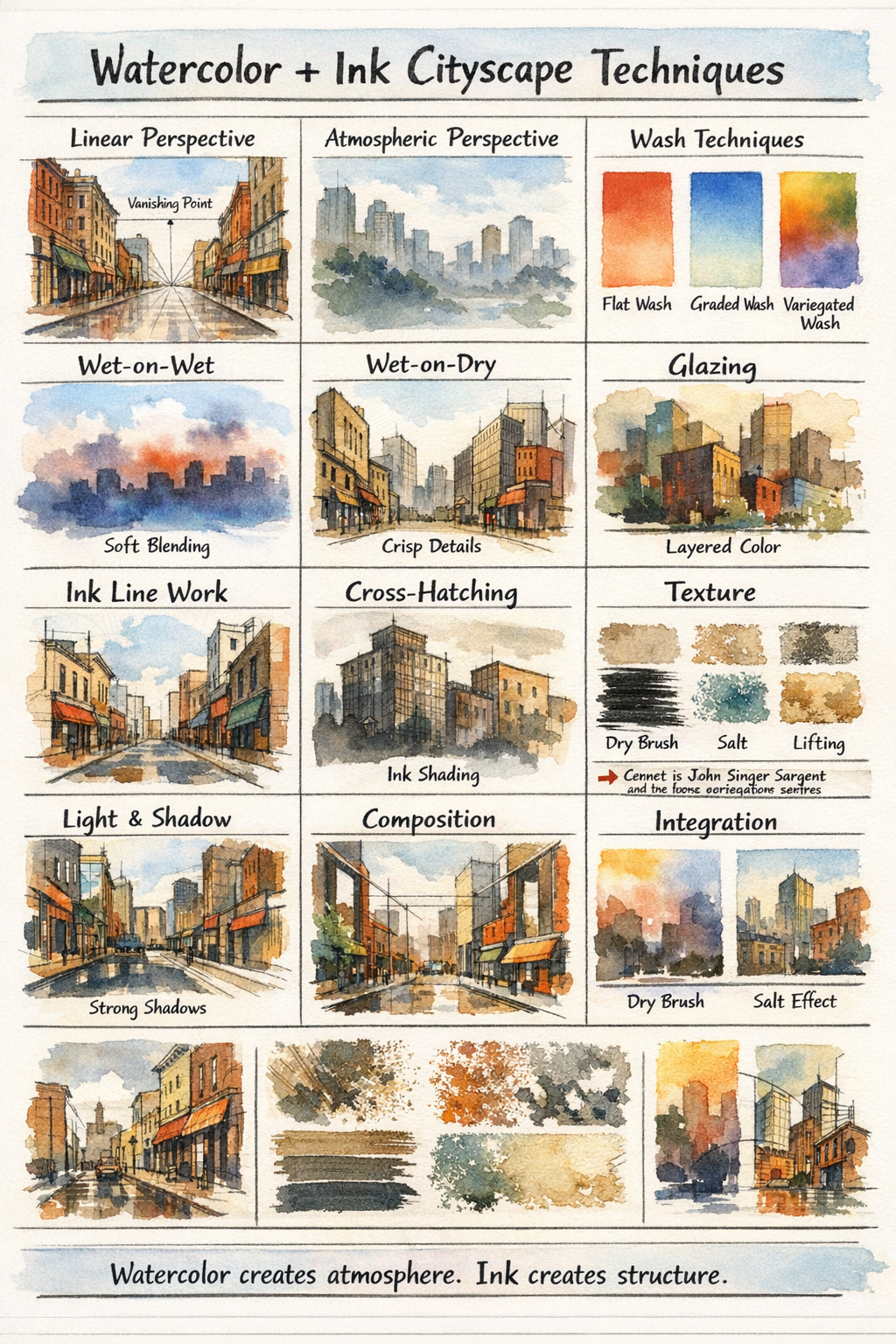
* Create a cityscape with convincing spatial depth using linear and atmospheric perspective.
* Incorporate ink drawing to define structure, edges, and focal points.
* Demonstrate advanced watercolor techniques, including washes, glazing, and wet-on-wet blending.
* Explore tonal range to create mood and depth.
* Make deliberate compositional and conceptual choices to convey atmosphere or narrative.
Materials
* Watercolor paints (full range)
* Ink pens or brushes (fine tip and bold line options)
* Watercolor paper (140 lb recommended)
* Pencil for initial sketching
* Ruler (for perspective lines)
* Water containers, palettes, and paper towels
Process
1. Observation & Reference:
Select an urban area, building, or street scene as reference. Take photographs or make quick sketches on location to capture perspective and key details.
2. Planning & Composition:
Lightly sketch the cityscape on watercolor paper. Establish horizon line, vanishing points, and major architectural forms. Consider the composition’s balance and focal areas.
3. Watercolor Base:
Apply washes to block in large planes, atmospheric effects, and tonal gradients. Focus on creating depth using light and dark values.
4. Ink Integration:
Use ink to define architectural edges, linear perspective lines, or details that enhance structure. Vary line weight to create emphasis and depth.
5. Refinement:
Adjust contrast, add final details, and ensure harmony between watercolor and ink. Step back frequently to assess overall depth, perspective accuracy, and compositional impact.
Assessment Criteria
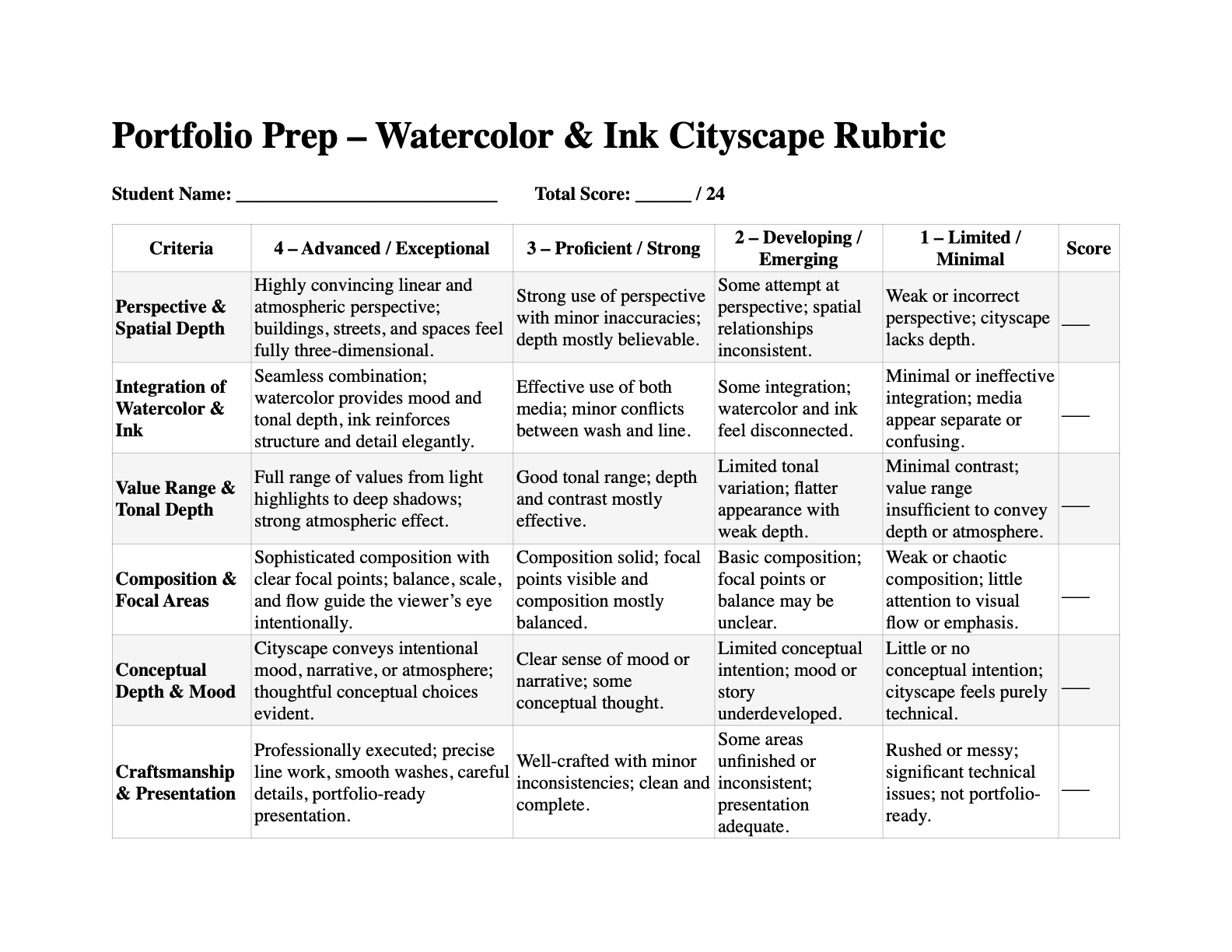
* Convincing use of linear and atmospheric perspective
* Effective integration of watercolor and ink
* Full range of value and tonal depth
* Strong compositional design and focus
* Conceptual depth through mood, atmosphere, or narrative
* Professional-level craftsmanship and presentation
Essential Question
How can the combination of watercolor and ink be used to convey both the structural precision and atmospheric qualities of an urban environment?
Learning Objectives / Student Targets
By the end of this project, students will be able to:
1. Observation & Representation
* Accurately observe and document real objects through drawing.
* Demonstrate proportional relationships and spatial awareness in a still life composition.
2. Material & Technical Skill
* Apply value and shading with graphite to create depth and form.
* Use ink to reinforce contour, emphasize contrast, and define edges.
* Incorporate oil pastel to build bold color, expressive texture, and layered richness.
* Use colored pencil to refine details, enhance form, and smooth transitions in color and tone.
3. Integration of Media
* Thoughtfully combine pencil, ink, oil pastel, and colored pencil into a unified visual whole.
* Make intentional decisions about where each medium contributes best to overall structure, mood, and emphasis.
4. Composition & Design
* Organize visual elements to demonstrate balance, proportion, and dynamic rhythm.
* Guide the viewer’s eye through strategic use of contrast, mark-making, and color placement.
5. Creative & Critical Thinking
* Experiment with media behaviors and problem-solve accordingly.
* Communicate personal artistic decisions through expressive mark-making and color choices.
6. Reflection & Artistic Growth
* Articulate strengths, challenges, and artistic intent in reflection or critique.
* Demonstrate increased confidence and competence with multi‑media processes.
Ohio Fine Arts Standards (Visual Arts)
VA:Cr2 – Create
* VA:Cr2.1.HSI Use multiple approaches to begin creative endeavors (e.g., observational drawing, thumbnail sketches, or exploratory studies).
* VA:Cr2.2.HSI Demonstrate quality craftsmanship through careful selection, handling, and care of art materials and tools.
VA:Cr3 – Refine & Complete
* VA:Cr3.1.HSI Evaluate and refine works of art or design through persistence, practice, and reflection.
* VA:Cr3.2.HSI Individually or collaboratively apply tools, media, and techniques with precision to enhance artistic intent.
VA:Re7 – Perceive & Analyze
* VA:Re7.1.HSI Hypothesize how art reflects observation, investigation, or cultural meaning (connecting observation of objects with artistic choices).
* VA:Re7.2.HSI Use art vocabulary to express preferences with evidence and supporting reasons.
VA:Re8 – Interpret Intent & Meaning
* VA:Re8.1.HSI Interpret art by distinguishing between relevant and non‑relevant contextual information.
* VA:Re8.2.HSI Analyze methods (e.g., value, texture, color layering) artists use to convey mood or tone.
VA:Re9 – Apply Criteria
* VA:Re9.1.HSI Establish criteria to evaluate artistic choices, craftsmanship, and design quality.
VA:Cn10 – Synthesize & Relate
* VA:Cn10.1.HSI Create works that reflect personal connections to experiences, knowledge, or observation.
* VA:Cn11.1.HSI Relate artistic ideas and works within content area/other disciplines (e.g., how material behavior affects compositional decisions).
Grading Rubric
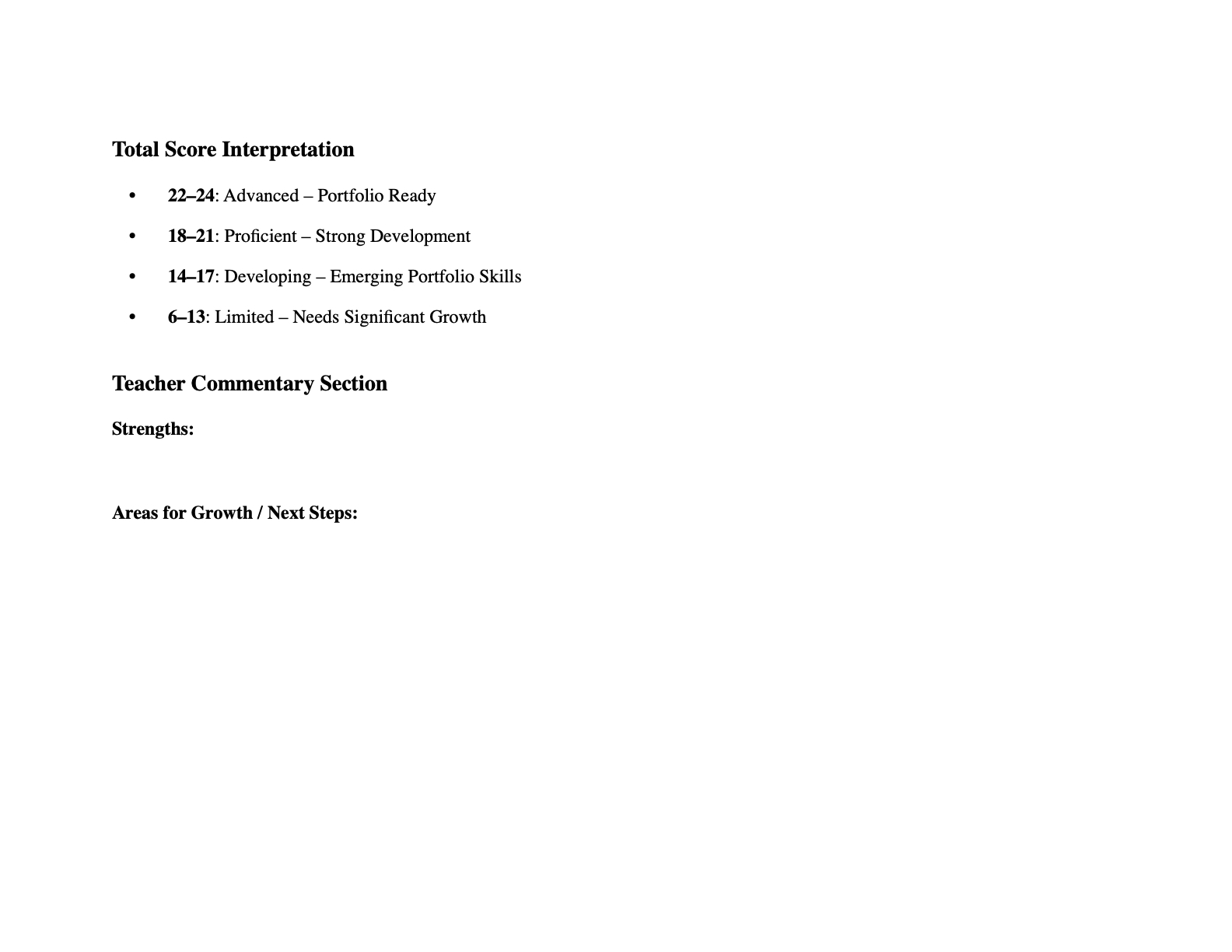
Rubrics have become popular with teachers as a means of communicating expectations for an assignment, providing focused feedback on works in progress, and grading final products. A rubric is a document that articulates the expectations for an assignment by listing the criteria, or what counts, and describing levels of quality from excellent to poor.
Student Reflection
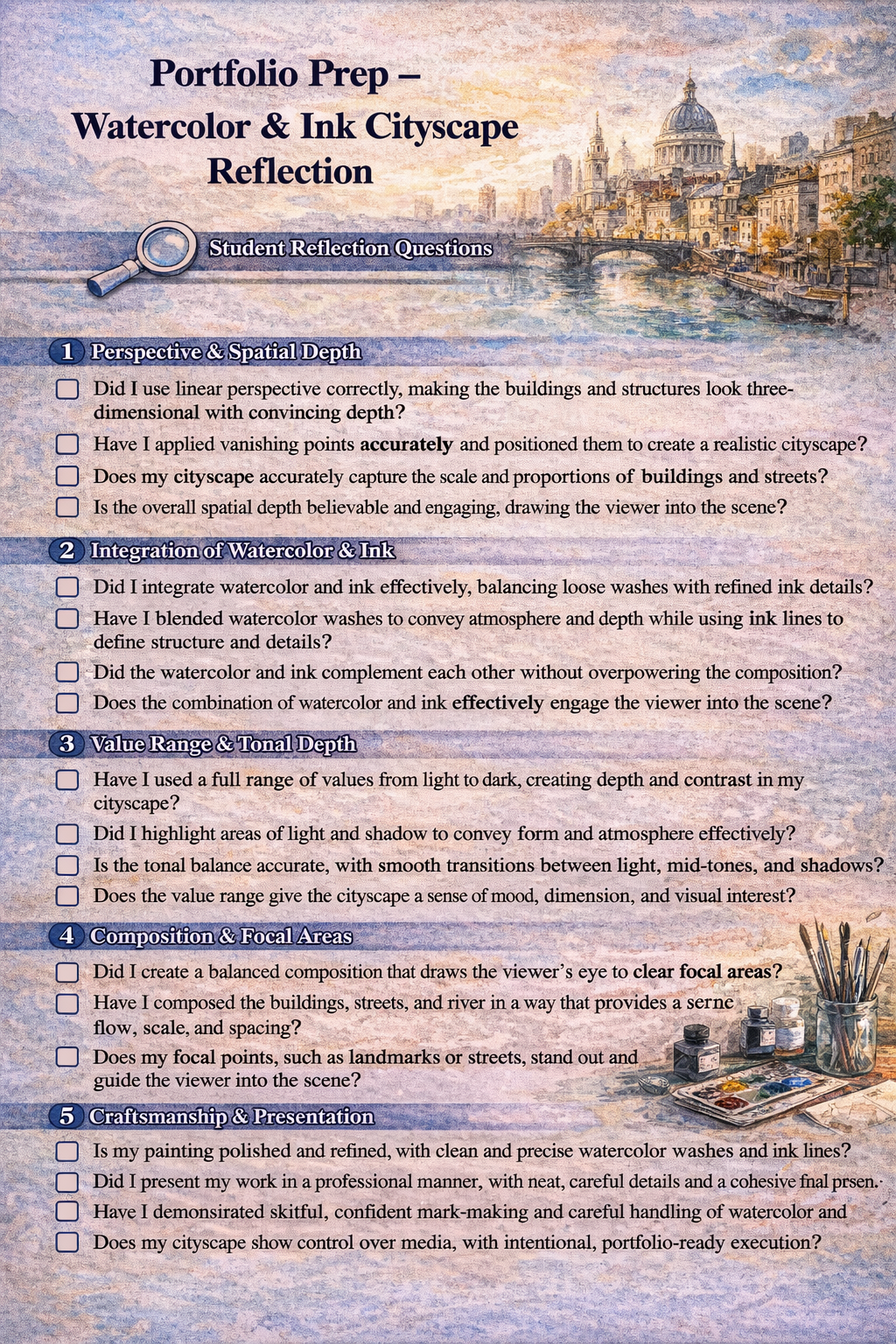
A student reflection is a brief, thoughtful explanation of how and why a student created their artwork, including the choices they made, challenges they faced, and what they learned during the process. In art, reflection is important because it helps students develop critical thinking, recognize growth, strengthen their creative decision-making, and take ownership of their artistic development.
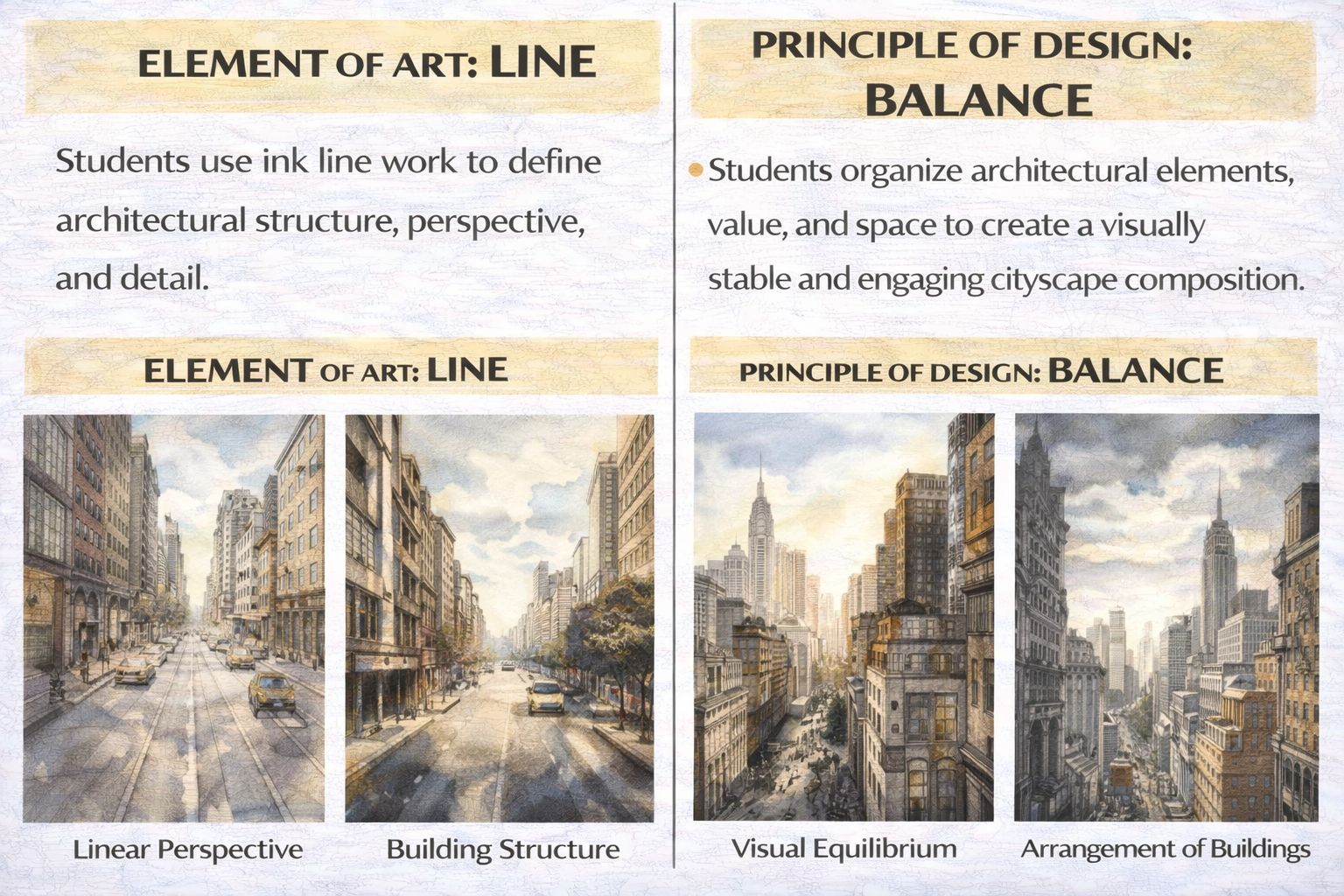
Element of Art & Principle of Design
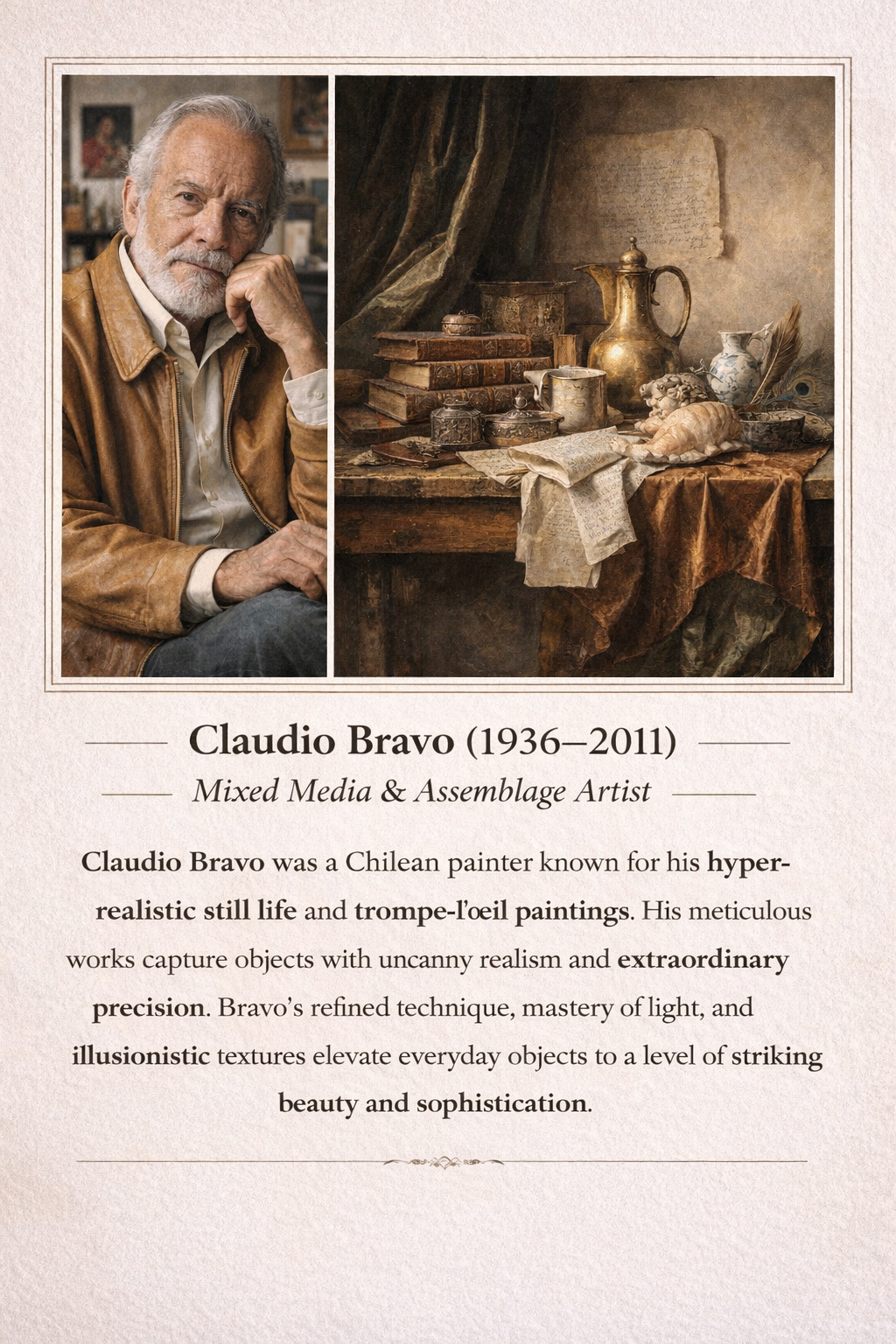
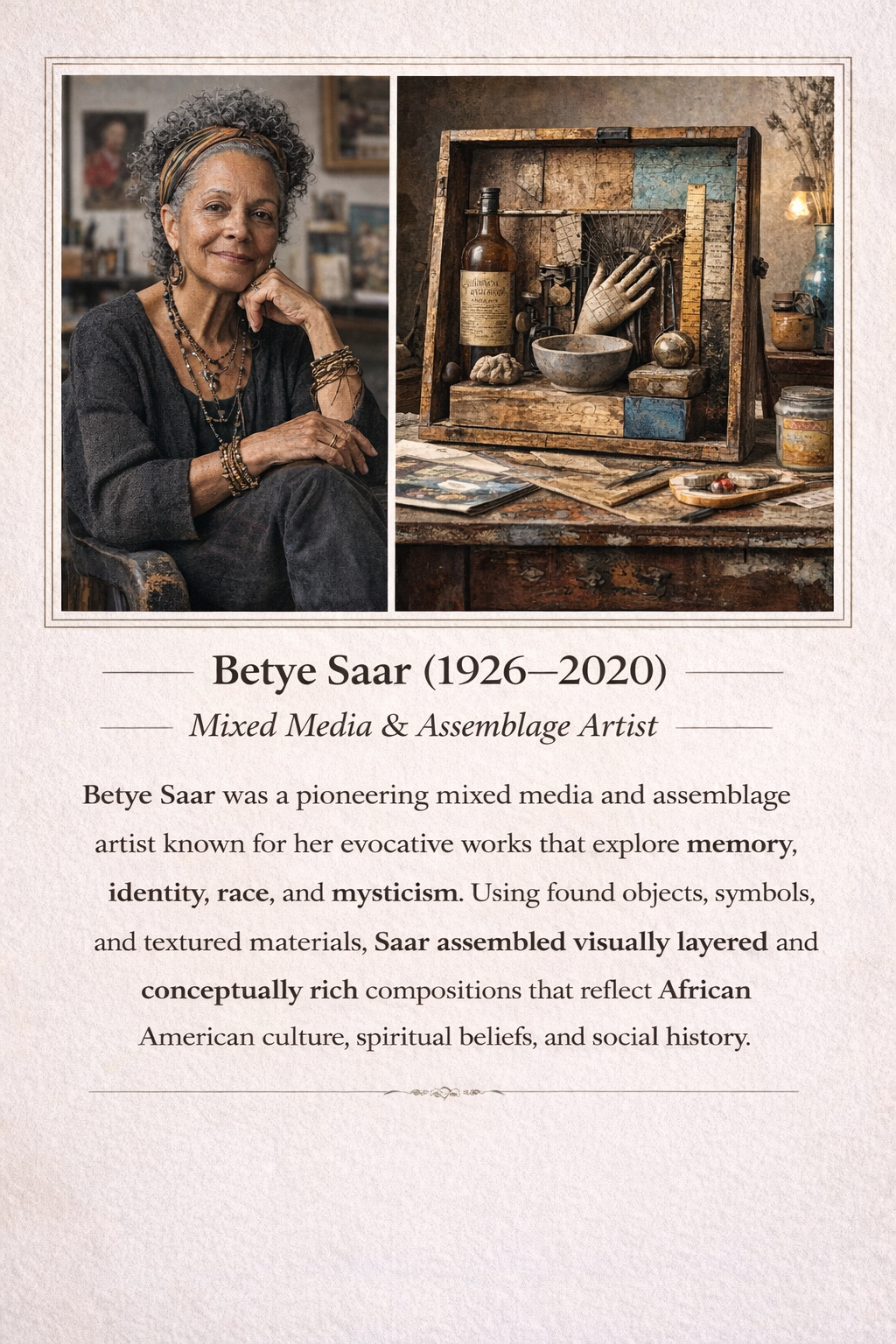
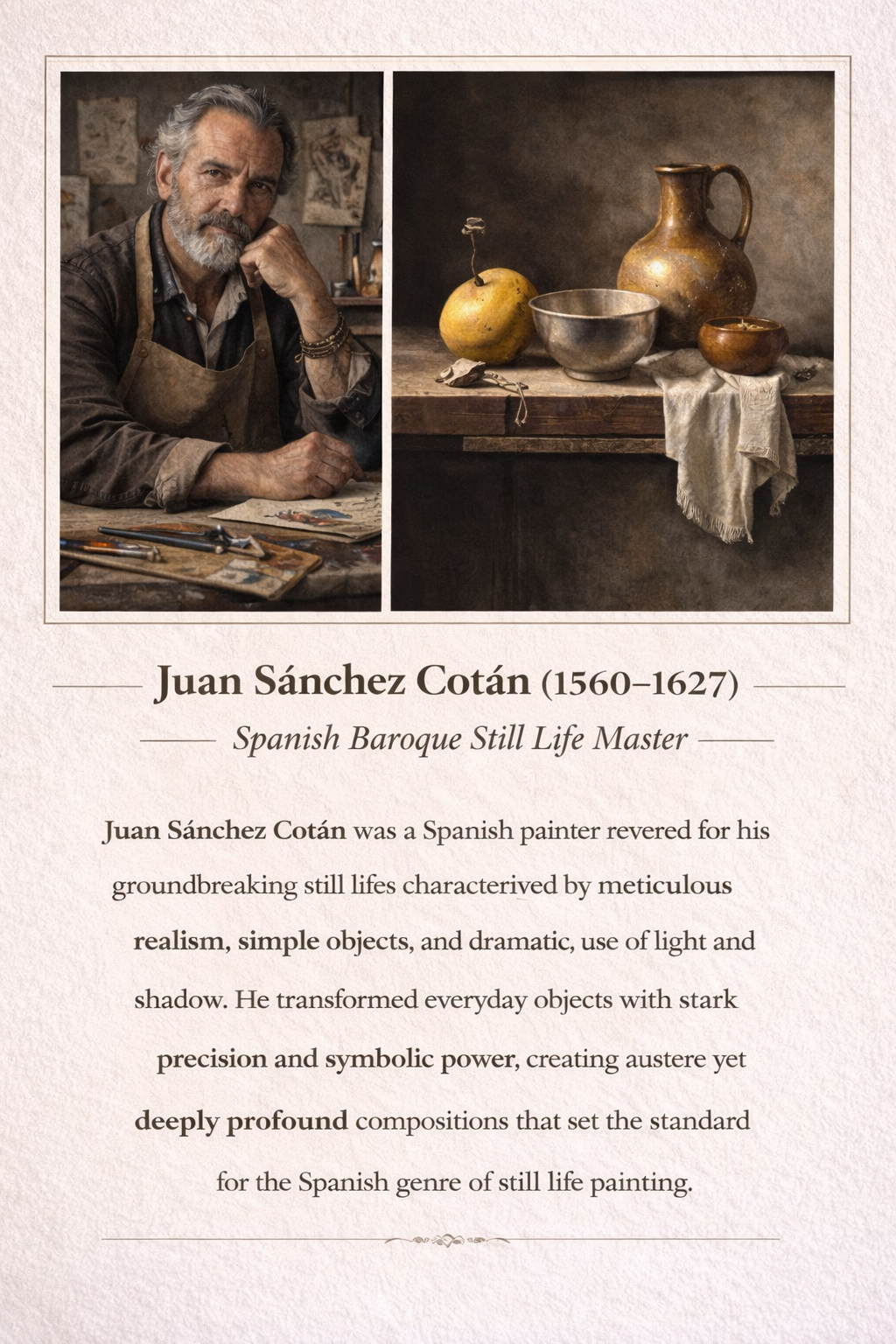
City Artists
Techniques
Project Demonstraions
Examples

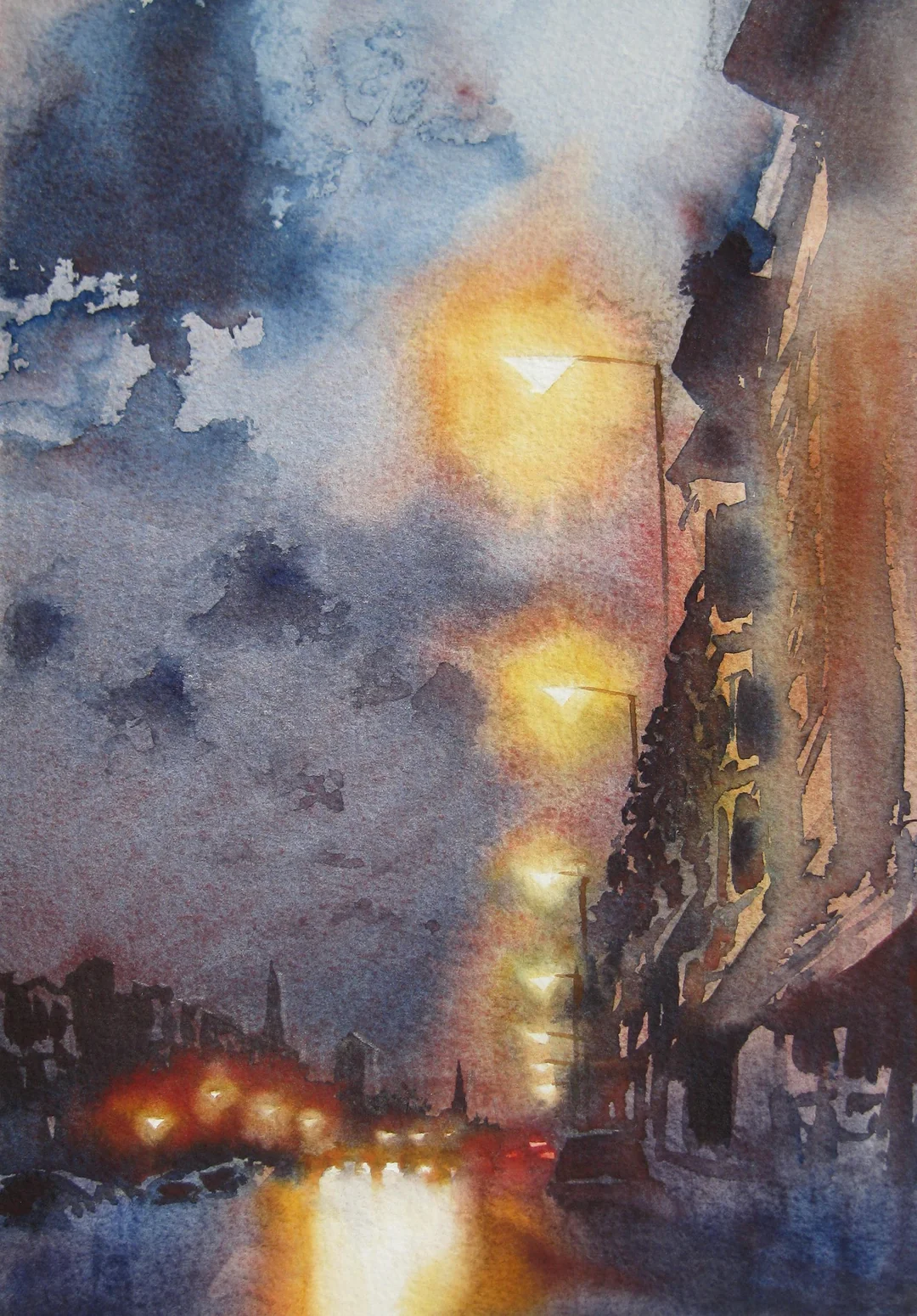
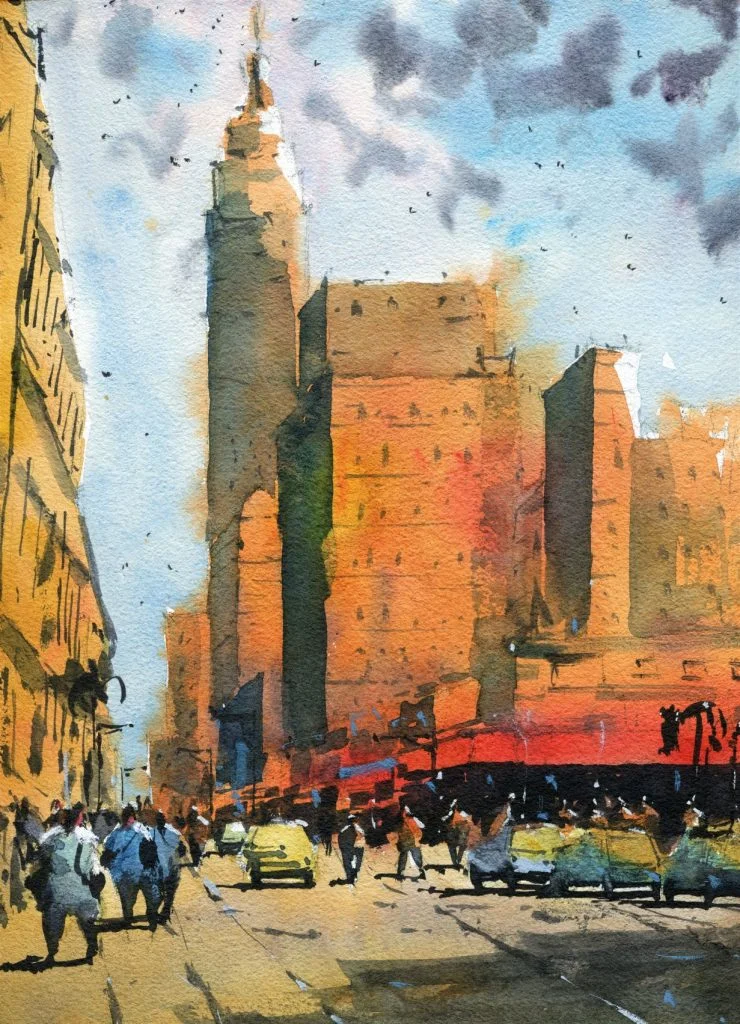
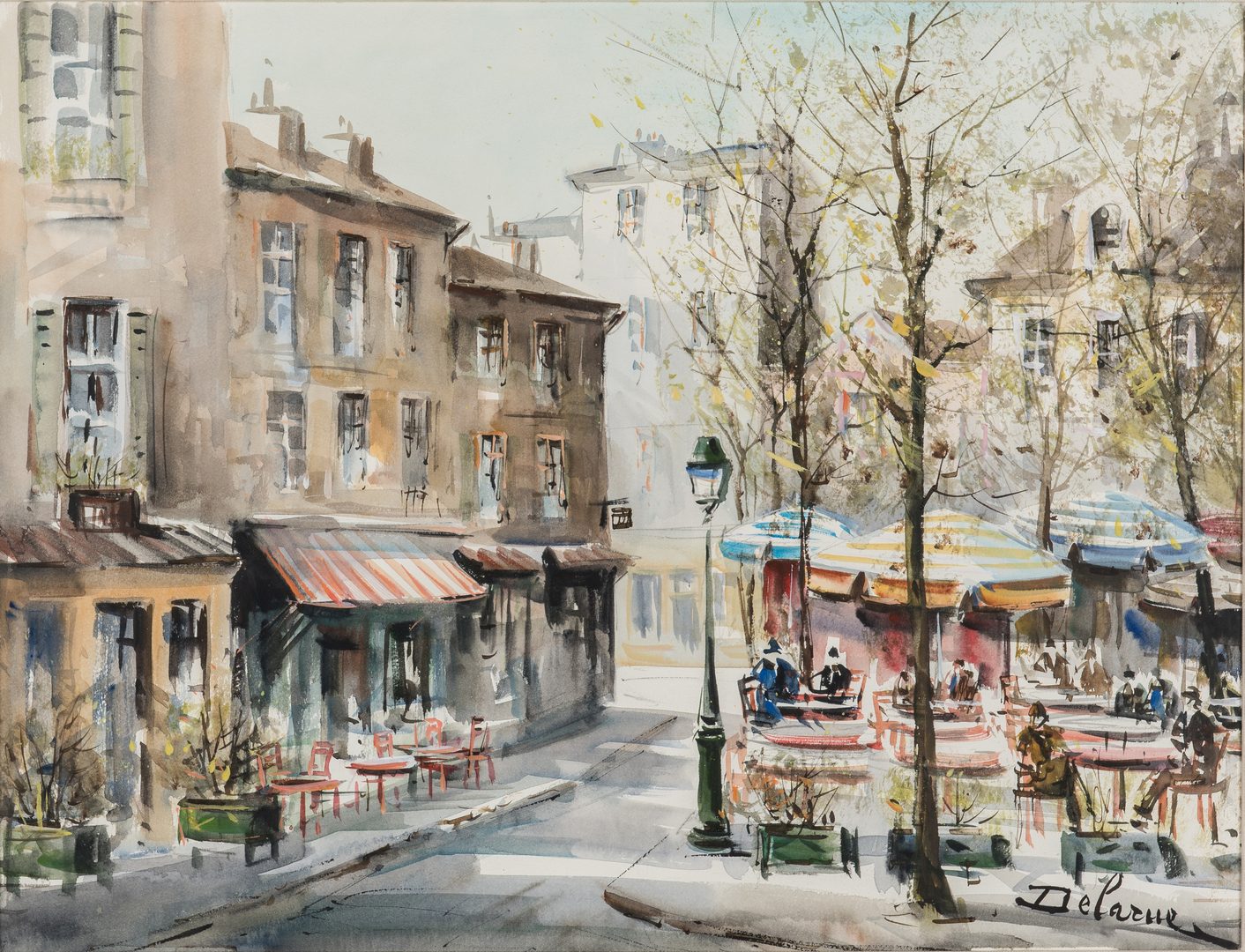
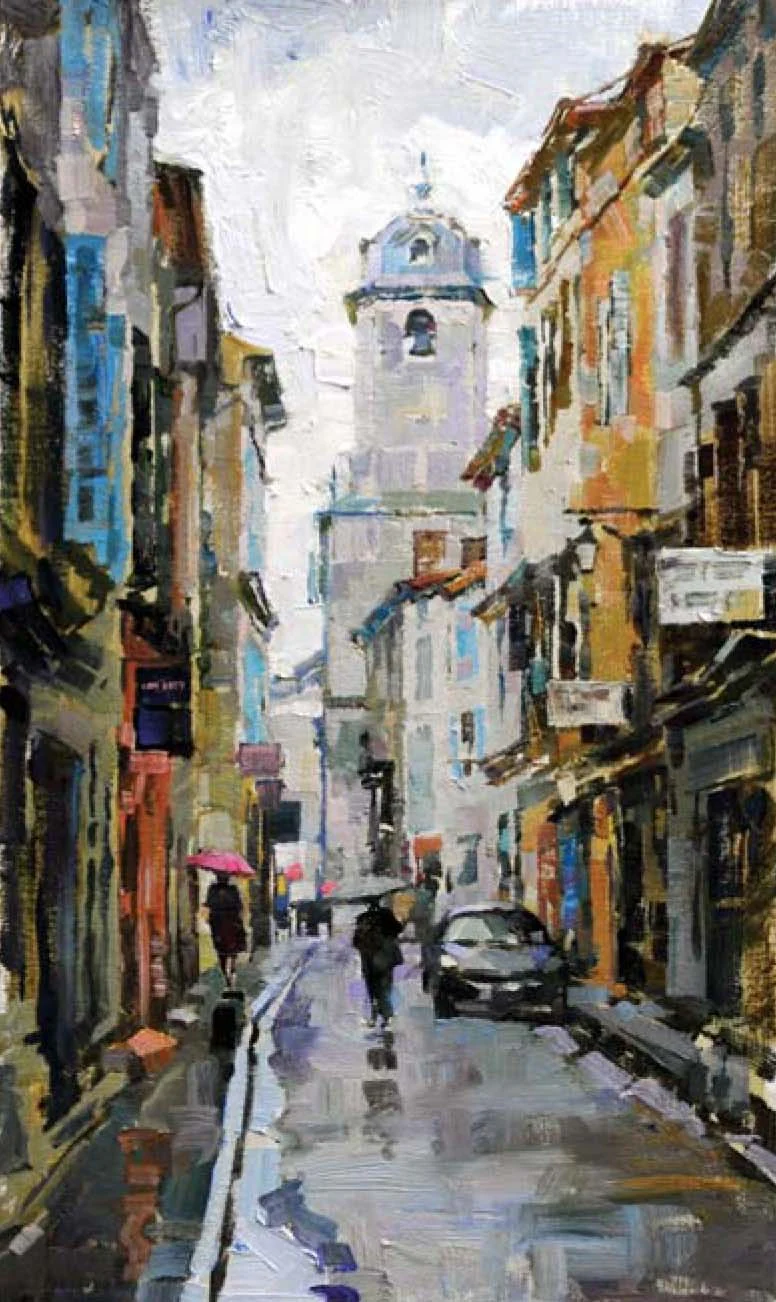
“Creativity takes courage.”

Cloverleaf High School
Follow Us