Emotional Color Theory
Project Overview
In this assignment, students will create an expressive painting that communicates a specific mood or emotion through intentional use of color. Rather than focusing on realistic representation, students will explore how hue, value, saturation, temperature, and color relationships can evoke psychological and emotional responses from the viewer.
This project emphasizes color theory application, expressive mark-making, and intentional design choices. Students will investigate how color combinations, contrast, layering, and composition influence mood while developing technical painting skills and personal artistic voice.
Objectives
Students will:
* Apply color theory concepts to intentionally communicate a chosen emotion or mood.
* Demonstrate understanding of hue, value, saturation, tint, shade, and tone.
* Use warm and cool color relationships to influence emotional impact.
* Experiment with expressive brushwork, layering, and texture.
* Develop a cohesive composition that supports the intended feeling.
* Make thoughtful artistic decisions that reflect creative risk-taking and personal voice.
* Present a polished final painting that clearly conveys mood through color.
Materials & Tools
* Acrylic, watercolor, or gouache paint
* Canvas, canvas board, or heavy watercolor paper
* Brushes of various sizes
* Palette and mixing tools
* Water containers and cleaning supplies
* Sketchbook for planning and color studies
Process
1. Emotion Selection & Research:
Choose a specific emotion or mood to communicate. Consider subtle emotional variations (calm vs. loneliness, excitement vs. anxiety, comfort vs. nostalgia).
2. Color Exploration:
Create small color studies exploring palettes that reflect the chosen mood. Experiment with complementary, analogous, or monochromatic schemes.
3. Composition Planning:
Sketch a composition that supports the emotional tone. Consider movement, balance, focal point, and space.
4. Painting & Layering:
Begin painting with attention to color mixing, value relationships, and brushwork. Build depth through layering and intentional mark-making.
5. Refinement:
Adjust contrast, edges, and color intensity to strengthen the emotional impact.
6. Presentation & Reflection:
Submit the final painting along with a brief written explanation describing how color choices communicate the intended mood.
Assessment Criteria
* Clear communication of a specific emotion or mood
* Effective and intentional application of color theory
* Strong composition and visual balance
* Technical craftsmanship and paint handling
* Creativity and originality
* Thoughtful written reflection connecting color choices to emotional impact
Consider:
How do different color temperatures affect mood? How does saturation influence intensity? Can subtle shifts in value change the emotional tone? Think about how color relationships—not just individual colors—create atmosphere. How can contrast, harmony, or tension within your palette guide the viewer’s emotional experience?
This project emphasizes that color is not just decorative—it is a powerful expressive tool capable of shaping meaning, atmosphere, and emotional response.
Learning Objectives / Student Targets
By the end of this project, students will be able to:
Color Theory Application
* Demonstrate understanding of hue, value, saturation, tint, shade, and tone.
* Apply warm and cool color relationships to influence mood.
* Use monochromatic, analogous, or complementary color schemes intentionally.
Emotional Communication Through Color
* Select and use a color palette that clearly communicates a specific mood or emotion.
* Manipulate intensity and contrast to strengthen emotional impact.
* Use color relationships to create harmony, tension, or visual energy.
Technical Painting Skills
* Demonstrate control of paint application, blending, and layering techniques.
* Use brushwork and texture intentionally to support expressive goals.
* Build depth and dimension through value variation and layering.
Composition & Design
* Organize visual elements to create balance, emphasis, and movement.
* Guide the viewer’s eye using contrast, focal points, and color placement.
* Create a cohesive composition that supports the intended emotional tone.
Creative & Critical Thinking
* Experiment with color mixing and problem-solve when achieving desired hues and values.
* Make intentional artistic decisions that align color choices with emotional intent.
* Take creative risks in abstraction or representation to enhance mood.
Reflection & Artistic Growth
* Articulate how color choices communicate the intended emotion.
* Evaluate strengths and areas for improvement in both technical execution and emotional clarity.
* Demonstrate increased confidence in using color as a primary expressive tool.
Ohio Fine Arts Standards (Visual Arts)
Creating
CE.1HSII / CE.1HSIII – Generate and conceptualize artistic ideas and work.
* Students develop a painting concept focused on communicating a specific emotion through intentional color choices.
CE.2HSII / CE.2HSIII – Organize and develop artistic ideas and work.
* Students apply color theory (hue, value, saturation, temperature, color schemes) and compositional strategies to plan and create an expressive painting.
CE.3HSII / CE.3HSIII – Refine and complete artistic work.
* Students revise and refine their paintings through critique and self-assessment to strengthen emotional clarity and technical execution.
Presenting / Producing
PR.4HSII / PR.4HSIII – Select, analyze, and interpret artistic work for presentation.
* Students evaluate how color, composition, and technique communicate mood before finalizing their work for display.
PR.5HSII / PR.5HSIII – Develop and refine artistic techniques and work for presentation.
* Students demonstrate craftsmanship in paint handling, layering, blending, and surface preparation.
PR.6HSII / PR.6HSIII – Convey meaning through the presentation of artistic work.
* Students present their completed painting in a way that enhances and supports the intended emotional message.
Responding
RE.7HSII / RE.7HSIII – Perceive and analyze artistic work.
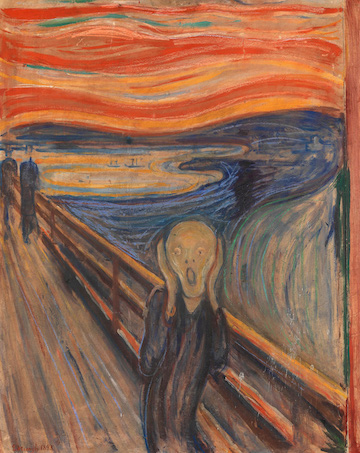
* Students analyze how artists use color to evoke emotional responses in historical and contemporary artworks.
RE.8HSII / RE.8HSIII – Interpret intent and meaning in artistic work.
* Students interpret how specific color relationships and compositional choices influence viewer perception and mood.
RE.9HSII / RE.9HSIII – Apply criteria to evaluate artistic work.
* Students use established criteria (emotional clarity, color theory application, craftsmanship, composition) during critique and reflection.
Connecting
CO.10HSII / CO.10HSIII – Synthesize and relate knowledge and personal experiences to make art.
* Students connect personal emotional experiences to their artistic decision-making in color selection and design.
CO.11HSII / CO.11HSIII – Relate artistic ideas and works with societal, cultural, and historical context.
* Students examine how color symbolism and emotional associations vary across cultures and artistic movements.
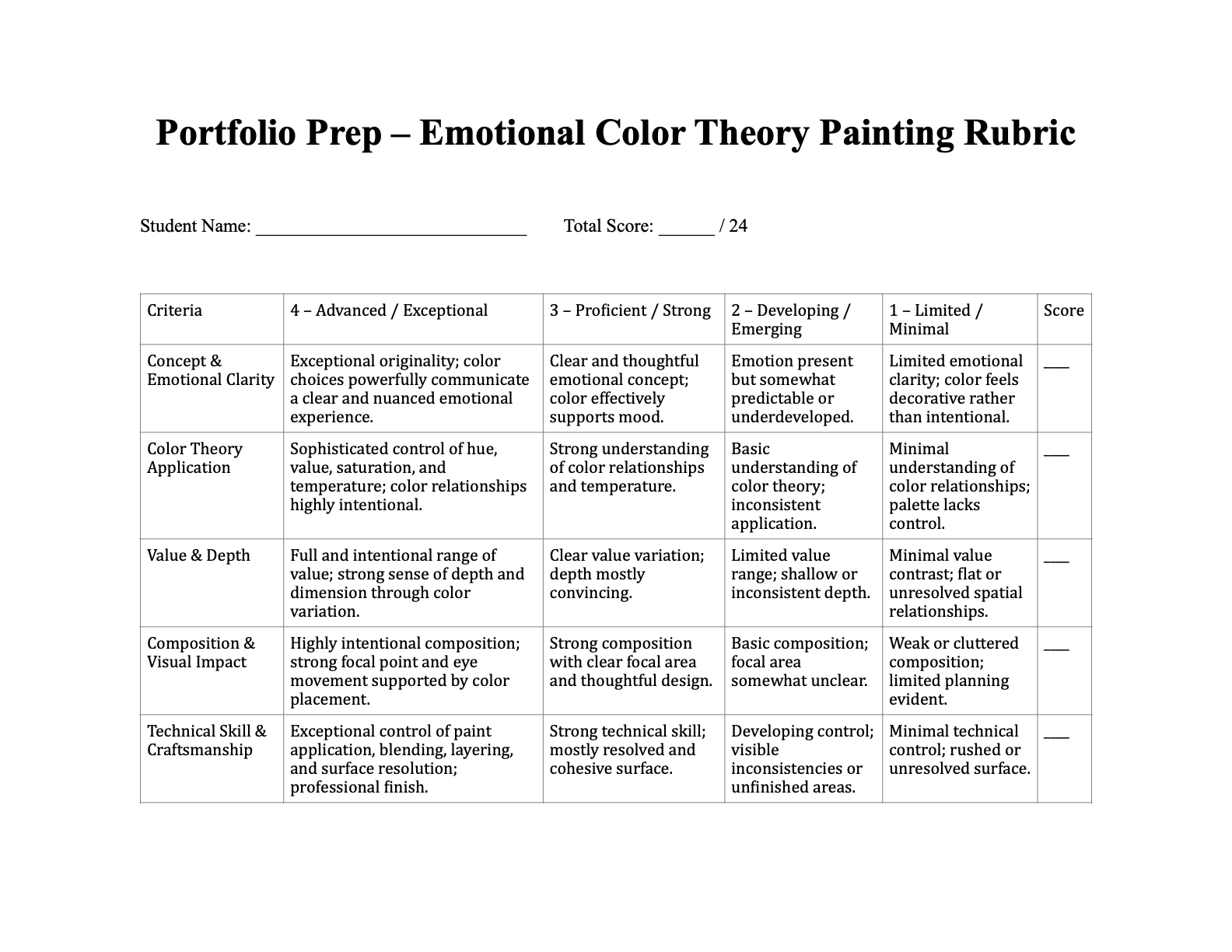
Grading Rubric
Rubrics have become popular with teachers as a means of communicating expectations for an assignment, providing focused feedback on works in progress, and grading final products. A rubric is a document that articulates the expectations for an assignment by listing the criteria, or what counts, and describing levels of quality from excellent to poor.

Student Reflection
A student reflection is a brief, thoughtful explanation of how and why a student created their artwork, including the choices they made, challenges they faced, and what they learned during the process. In art, reflection is important because it helps students develop critical thinking, recognize growth, strengthen their creative decision-making, and take ownership of their artistic development.

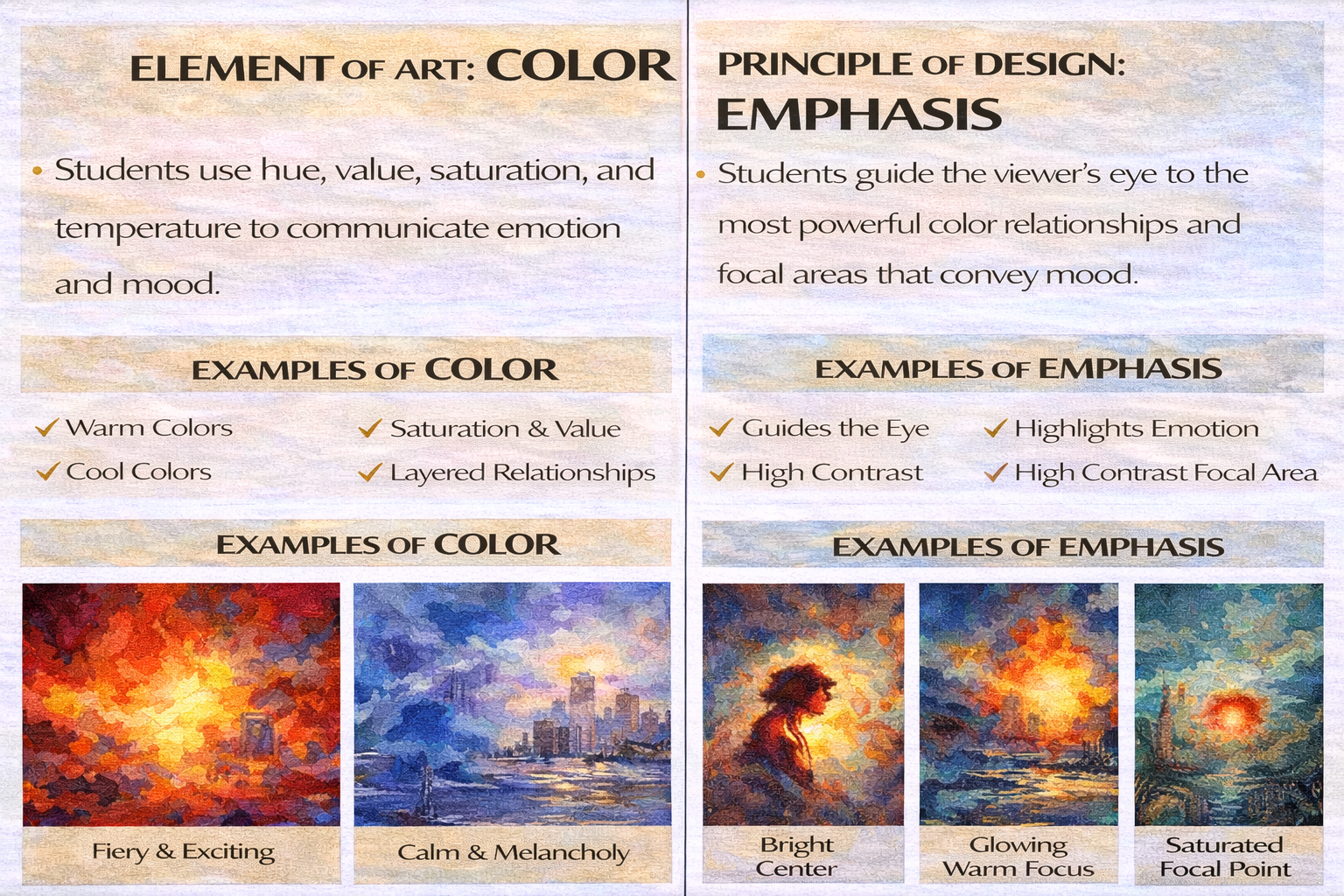
Element of Art & Principle of Design
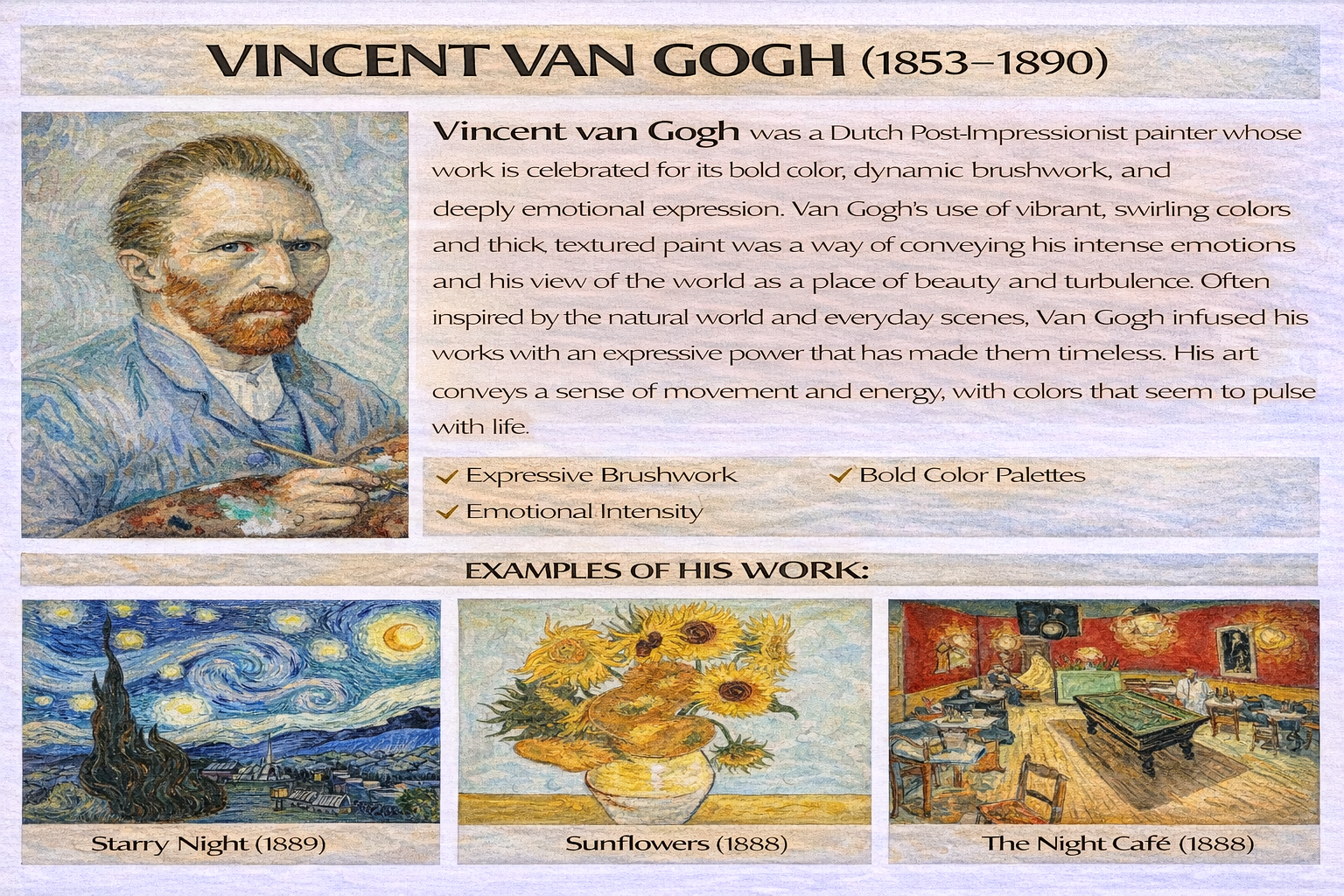
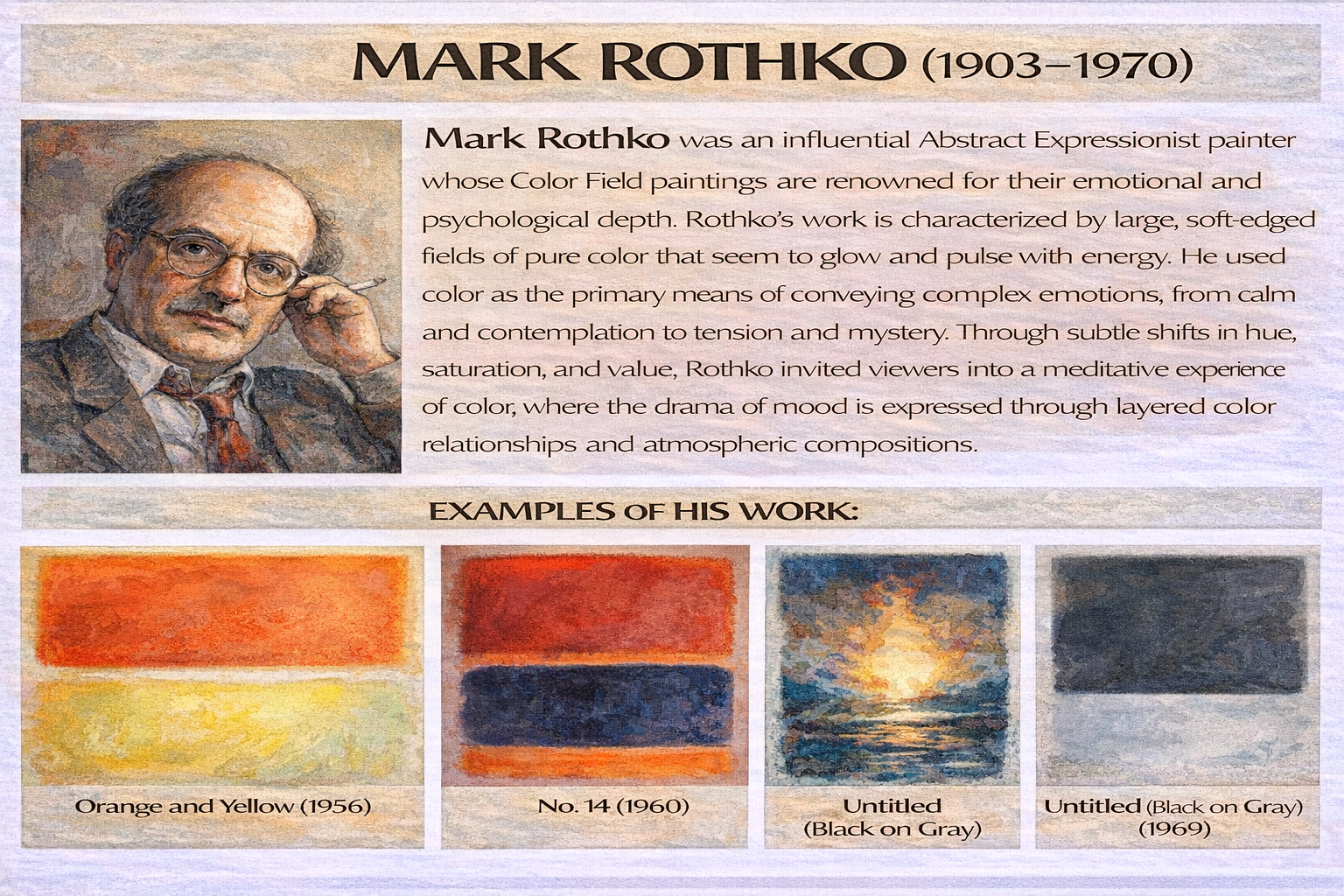
Emotional Color Artists
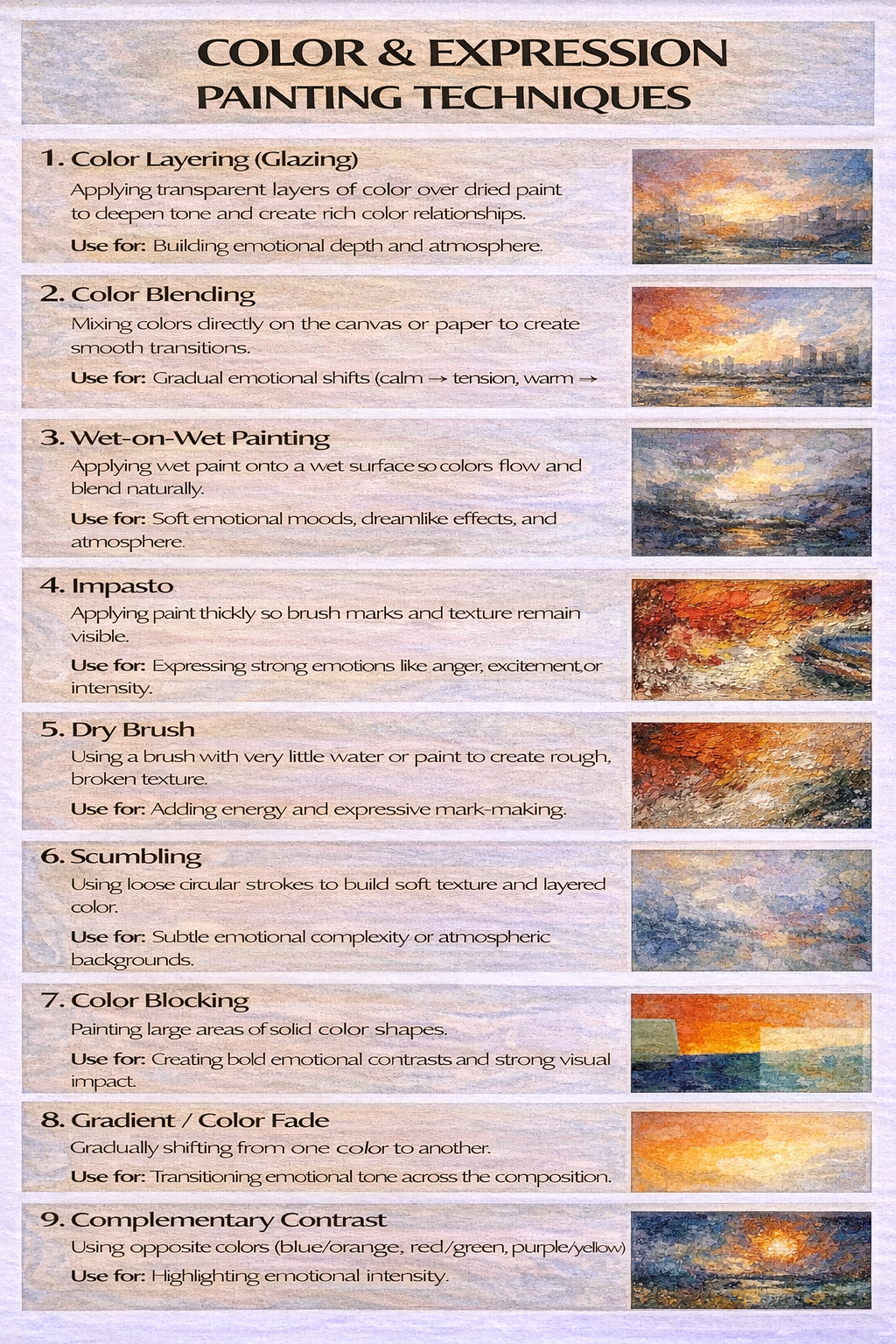
Techniques
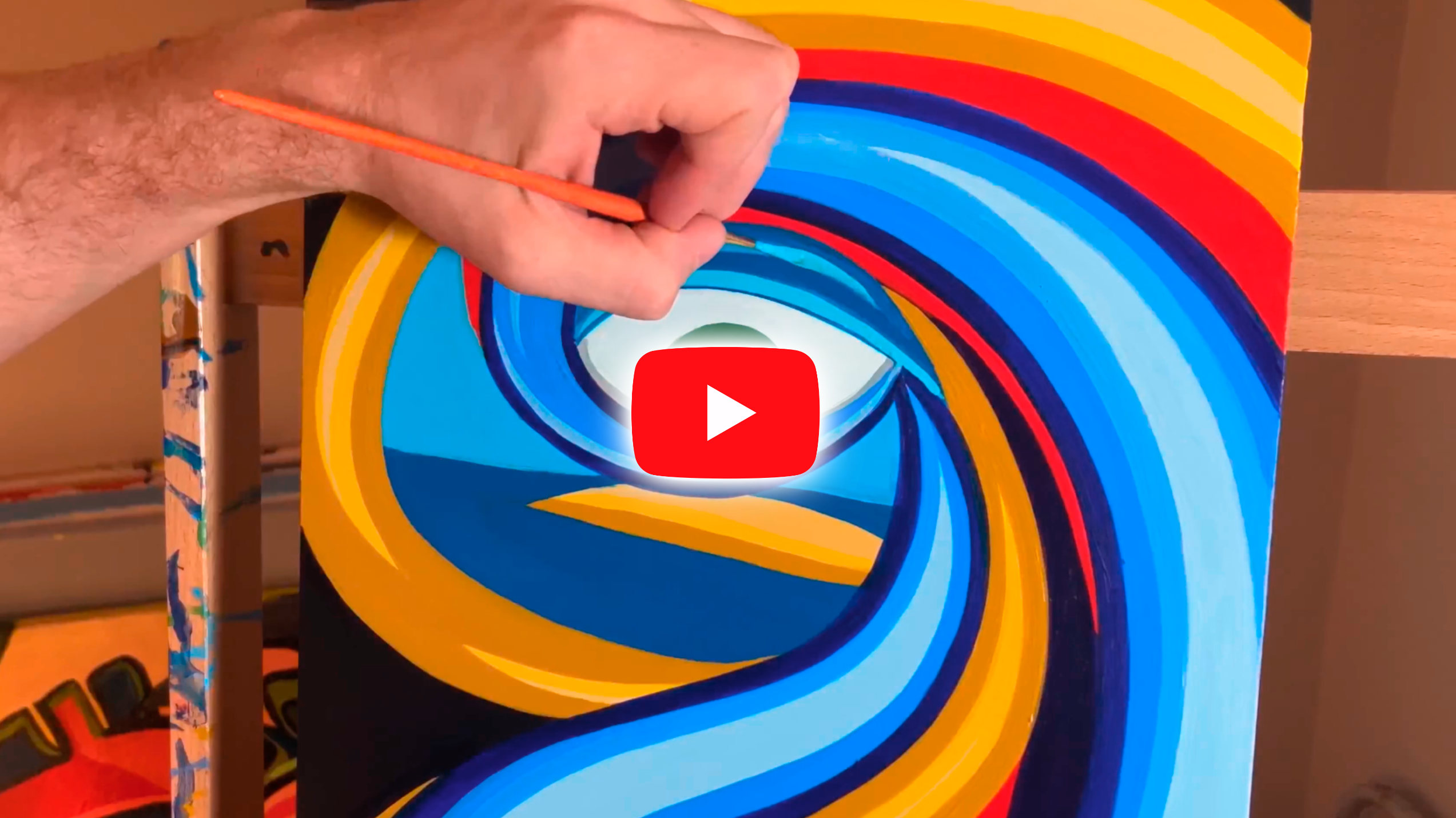
Demonstrations
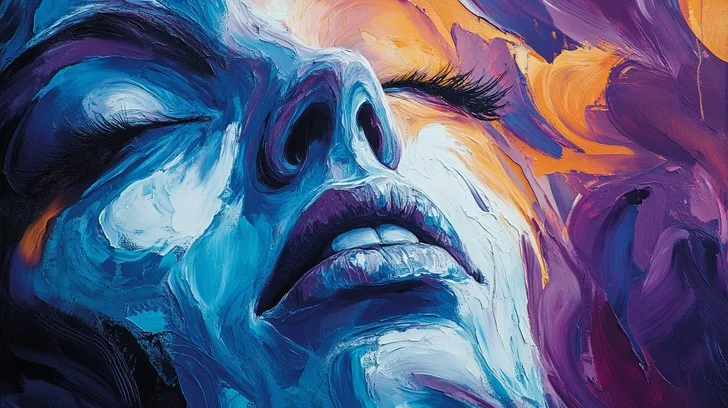
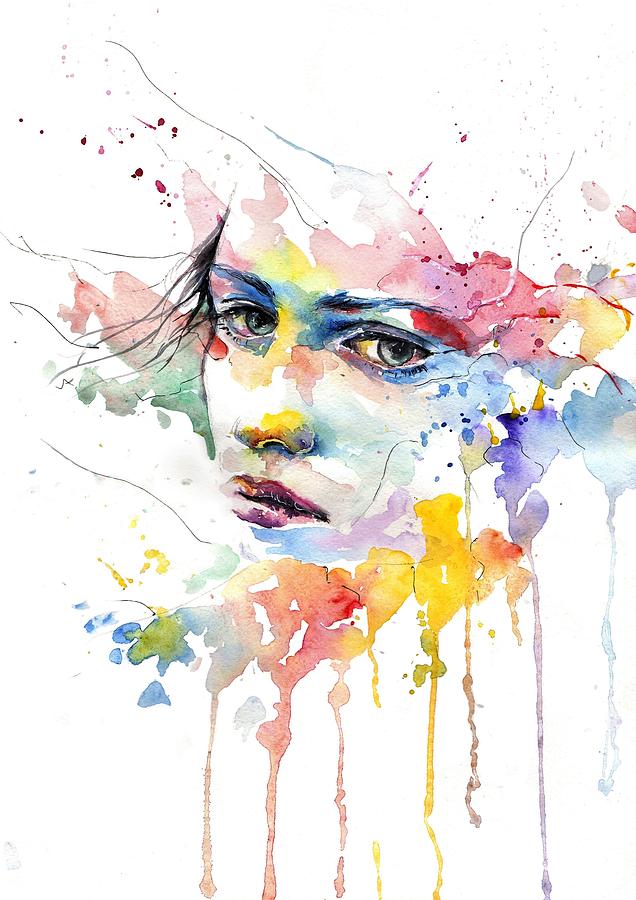
Examples





“Creativity takes courage.”

Cloverleaf High School
Follow Us