Black & White Focal Color
Project Overview
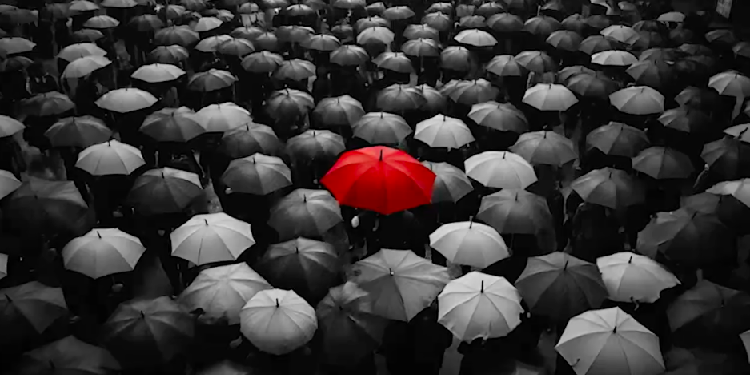
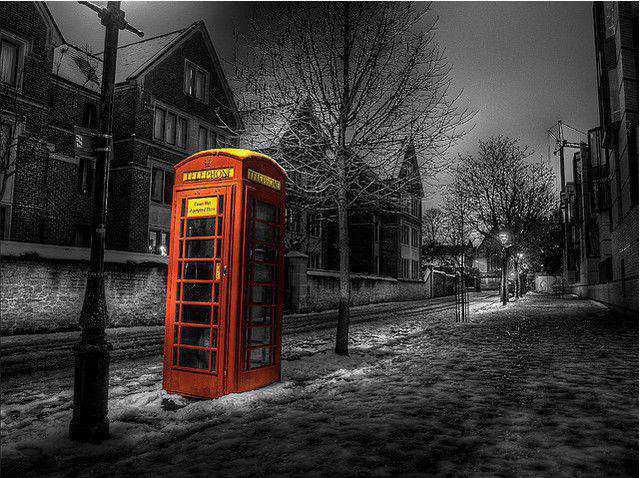
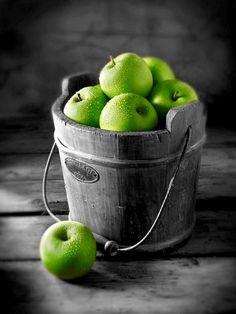
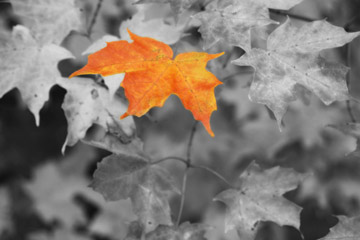
In this AP-level oil painting assignment, students will create a highly resolved composition using a limited black-and-white palette to establish the overall scene, structure, and atmosphere. Once the grayscale foundation is fully developed, students will introduce selective color to create a dominant focal point and heighten dramatic impact.
This project challenges students to think critically about value as the primary tool for form, depth, and composition, while using color sparingly and intentionally as a conceptual and visual strategy. Inspired by techniques seen in cinematic storytelling, graphic novels, and contemporary realist painting, students will explore how isolating color within a monochromatic environment can direct the viewer’s eye, intensify mood, and amplify narrative meaning.
Rather than allowing color to dominate the entire surface, students must demonstrate restraint and purpose. The majority of the composition will rely on a full value range in black and white, establishing strong light, shadow, and spatial relationships. The introduction of color should serve a clear compositional and conceptual function—symbolic, emotional, or narrative.
Students are expected to demonstrate advanced understanding of oil painting techniques, including underpainting, layering, blending, and edge control. The final piece should reflect AP-level craftsmanship, conceptual depth, and intentional decision-making.
AP Studio Focus
This assignment supports:
* Sustained Investigation: Exploring contrast, emphasis, symbolism, or visual hierarchy through controlled color use.
* Material Practice: Demonstrating advanced handling of oil paint through value control and layered application.
* Visual Evidence of Inquiry: Showing intentional restraint, compositional planning, and purposeful focal point development.
Objective
Students will:
* Create a fully developed grayscale oil painting demonstrating a complete range of value.
* Establish a strong focal point through the selective introduction of color.
* Use contrast, composition, and edge control to guide viewer attention.
* Demonstrate advanced oil painting techniques, including underpainting and layering.
* Produce a finished piece that reflects conceptual clarity and professional-level craftsmanship.
Materials
* Oil paints (black, white, and selected color(s) for focal point)
* Canvas or primed panel
* Brushes of various sizes
* Palette knives (optional)
* Odorless mineral spirits and painting medium
* Pencil or charcoal for preliminary drawing
* Student-generated photographic reference (recommended)
Process
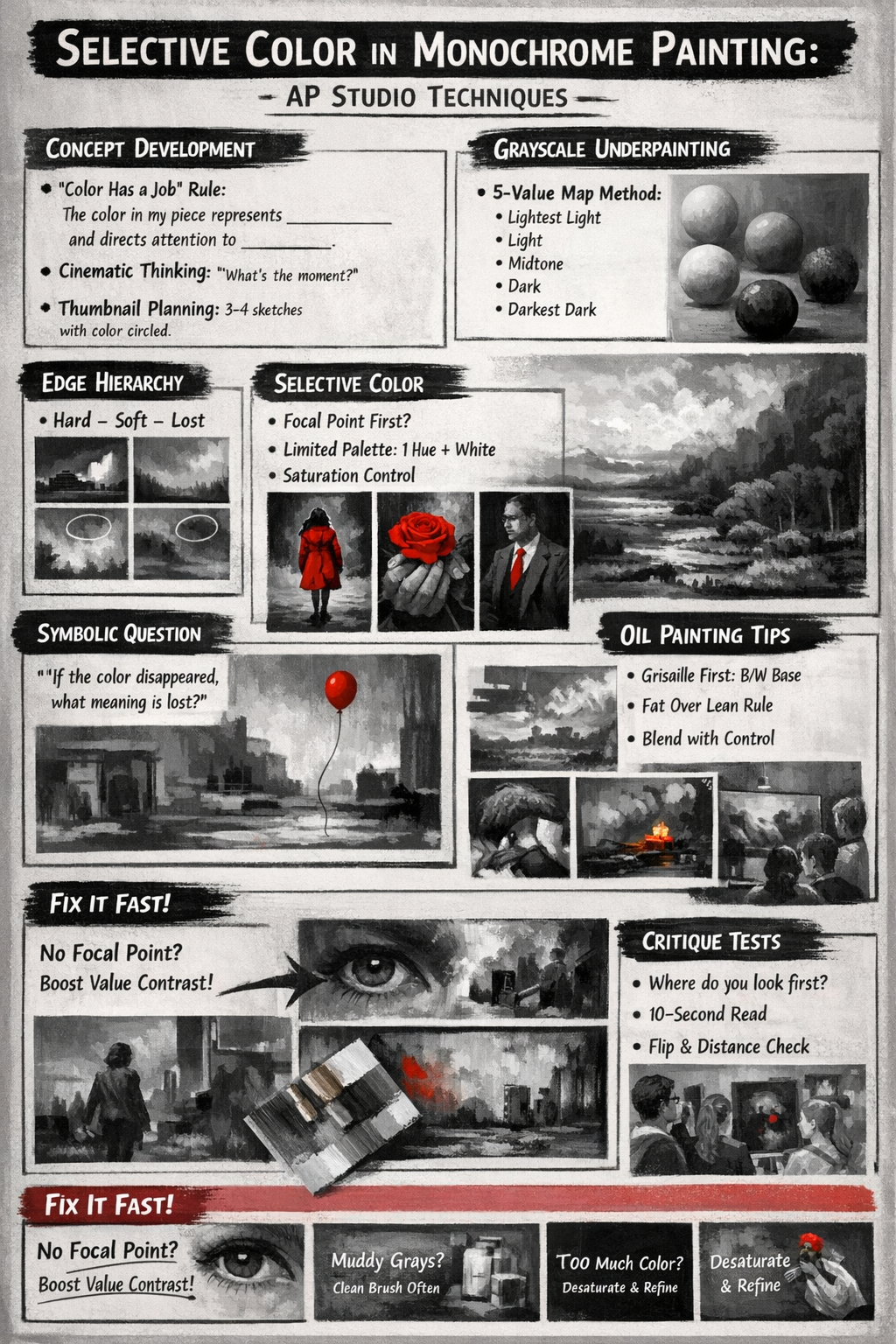
1. Concept Development:
Develop a scene or narrative where selective color will enhance meaning (memory, isolation, symbolism, tension, emphasis, etc.). Submit 3–4 thumbnail sketches exploring focal placement.
2. Grayscale Underpainting:
Establish composition and structure using only black and white. Focus on value relationships, lighting, and spatial depth.
3. Value Refinement:
Strengthen contrast, clarify edges, and ensure a full range of lights and darks before introducing color.
4. Selective Color Application:
Introduce controlled color to a specific area. Ensure the color enhances—not competes with—the established value structure.
5. Resolution & Refinement:
Balance the composition, refine transitions, and ensure the focal point is visually commanding yet integrated.
Assessment Criteria
* Strong and convincing grayscale value structure
* Intentional and effective use of selective color for focal emphasis
* Clear compositional hierarchy and visual direction
* Advanced oil painting technique and craftsmanship
* Conceptual depth and risk-taking
* Professional presentation and surface resolution
Essential Question
How can limiting color to a single focal area transform a composition and intensify narrative meaning or emotional impact?
Learning Objectives / Student Targets
1. Value & Grayscale Mastery
* Demonstrate a full and intentional range of value using only black and white oil paint.
* Use light and shadow to create convincing form, depth, and spatial relationships.
* Establish a strong structural foundation before introducing color.
2. Focal Point & Visual Hierarchy
* Create a clear focal point through selective color application.
* Use contrast, edge control, and placement to guide the viewer’s eye.
* Maintain compositional balance while emphasizing a dominant area.
3. Intentional Use of Color
* Introduce color strategically to enhance mood, symbolism, or narrative meaning.
* Ensure color strengthens—not disrupts—the established grayscale value structure.
* Control saturation and intensity to maximize dramatic impact.
4. Technical Oil Painting Skills
* Demonstrate advanced oil painting techniques including underpainting, layering, blending, and glazing.
* Refine edges and transitions to create depth and atmospheric perspective.
* Show craftsmanship through clean surface resolution and intentional mark-making.
5. Conceptual Development & Critical Thinking
* Develop a concept where selective color enhances emotional or symbolic meaning.
* Make purposeful artistic decisions regarding composition, lighting, and emphasis.
* Take creative risks that demonstrate AP-level inquiry and visual sophistication.
6. Reflection & Artistic Growth
* Articulate how value structure and selective color contribute to dramatic impact.
* Participate in critique using discipline-specific vocabulary (value, hierarchy, emphasis, contrast, saturation).
* Demonstrate growth in technical control and conceptual depth consistent with AP Studio Art expectations.
Ohio Fine Arts Standards (Visual Arts)
Creating
CE.1HSIII – Generate and conceptualize artistic ideas and work.
* Students develop an original concept in which selective color enhances symbolic, emotional, or narrative meaning within a grayscale composition.
CE.2HSIII – Organize and develop artistic ideas and work.
* Students apply advanced understanding of value relationships, composition, and color contrast to construct a cohesive black-and-white painting with a strategic focal point.
CE.3HSIII – Refine and complete artistic work.
* Students revise and refine their paintings through critique and self-assessment, demonstrating control of oil painting techniques and conceptual clarity.
Presenting / Producing
PR.4HSIII – Select, analyze, and interpret artistic work for presentation.
* Students evaluate how value structure and selective color influence viewer attention and meaning prior to final presentation.
PR.5HSIII – Develop and refine artistic techniques and work for presentation.
* Students demonstrate advanced craftsmanship in oil painting, including underpainting, layering, blending, glazing, and edge control.
PR.6HSIII – Convey meaning through the presentation of artistic work.
* Students present a resolved artwork in which color emphasis and compositional hierarchy clearly communicate intent.
Responding
RE.7HSIII – Perceive and analyze artistic work.
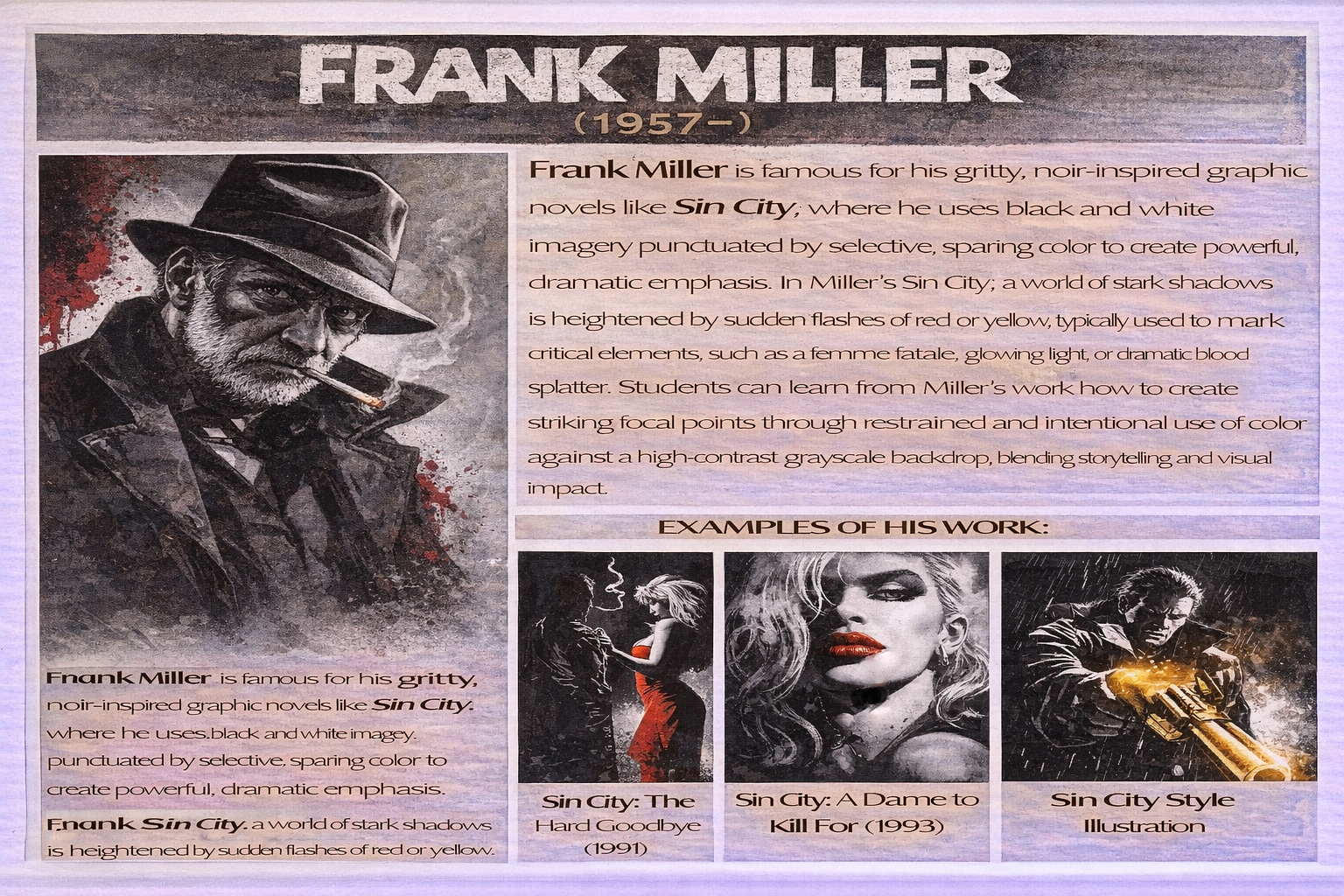
* Students analyze historical and contemporary artworks that use monochromatic palettes or selective color to create emphasis and drama.
RE.8HSIII – Interpret intent and meaning in artistic work.
* Students interpret how value contrast, color isolation, and compositional hierarchy shape emotional and narrative impact.
RE.9HSIII – Apply criteria to evaluate artistic work.
* Students apply established criteria (value range, focal clarity, craftsmanship, conceptual depth) in critique and self-evaluation.
Connecting
CO.10HSIII – Synthesize and relate knowledge and personal experiences to make art.
* Students connect personal themes or symbolic ideas to their decision to isolate color within a grayscale environment.
CO.11HSIII – Relate artistic ideas and works with societal, cultural, and historical context.
* Students examine how selective color and monochromatic strategies have been used in fine art, film, and visual media to heighten drama and meaning.
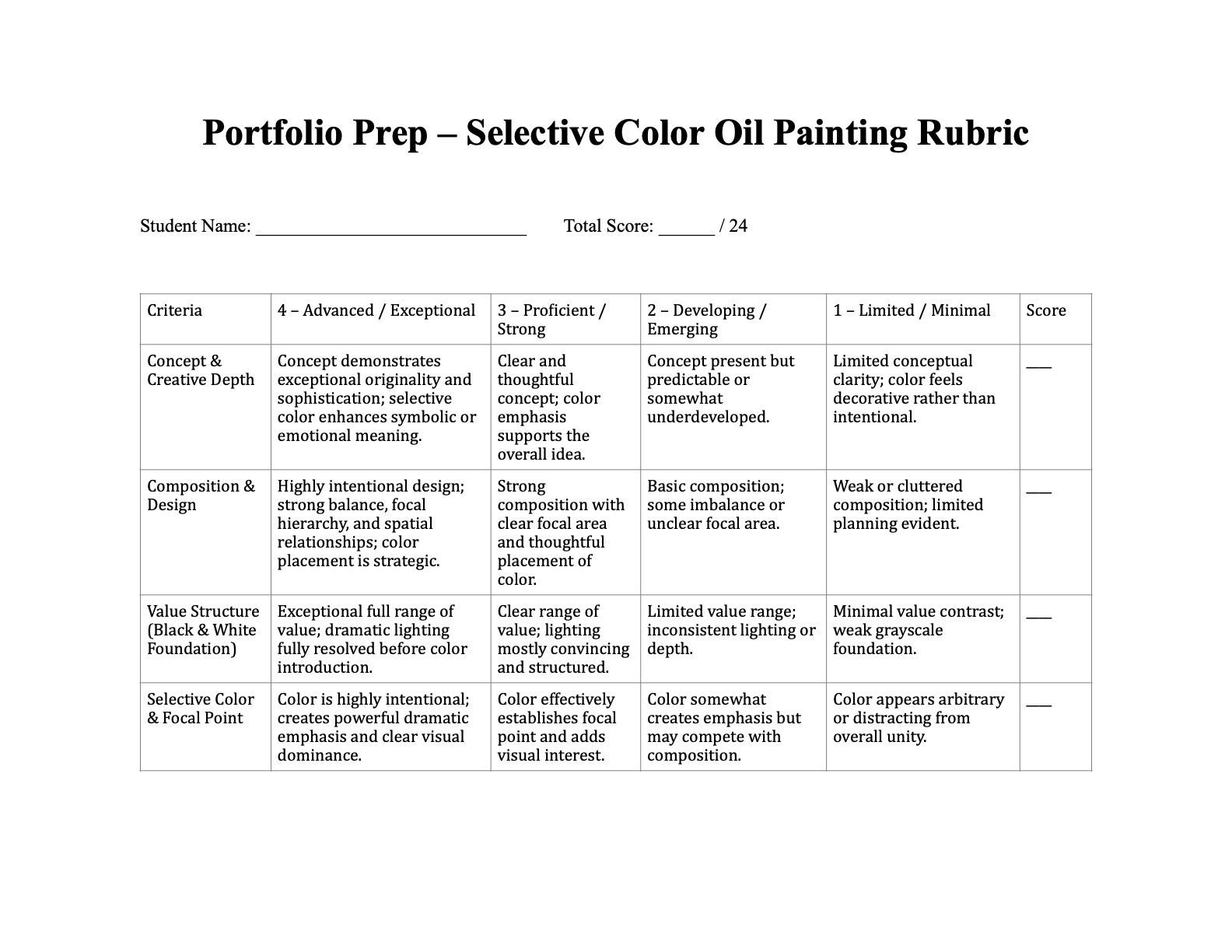
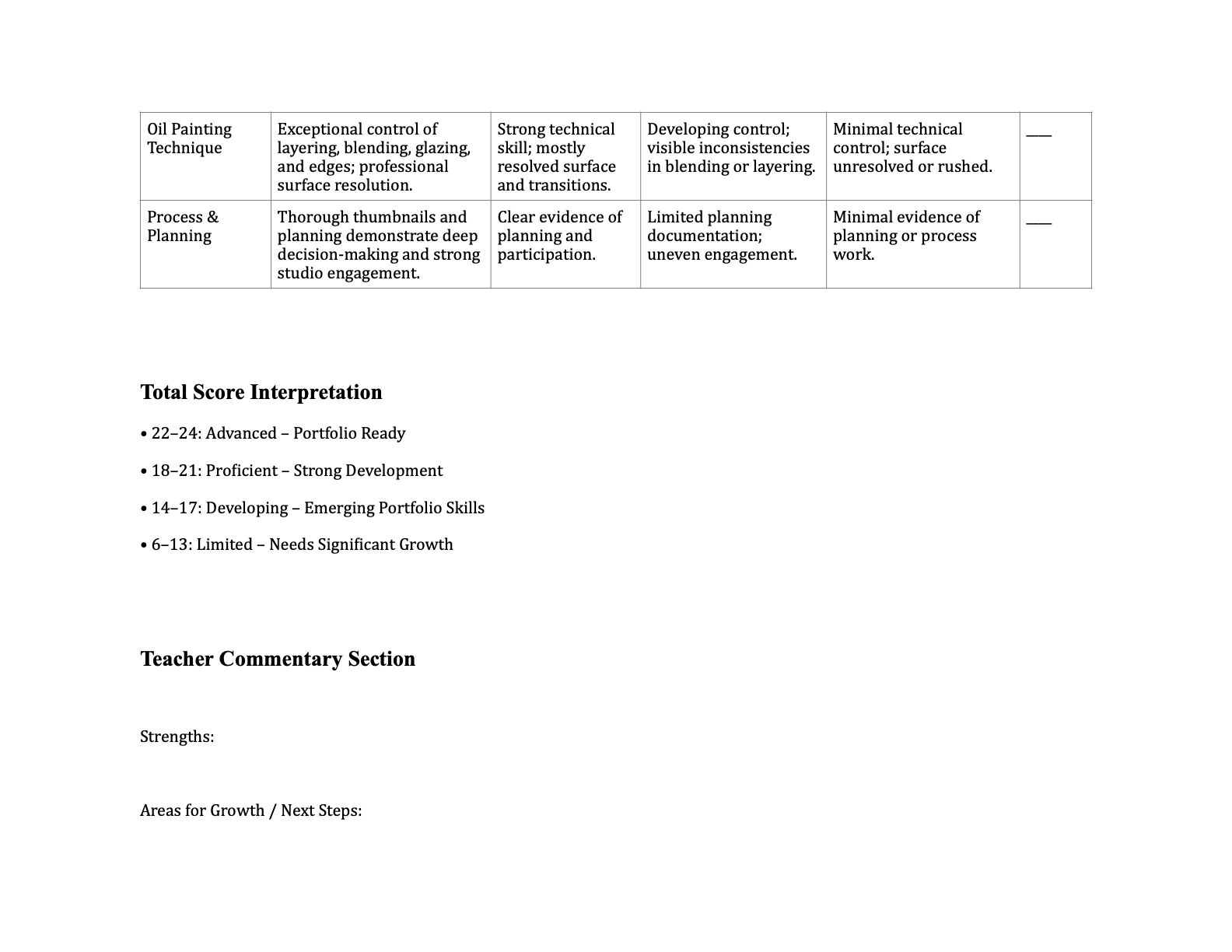
Grading Rubric
Rubrics have become popular with teachers as a means of communicating expectations for an assignment, providing focused feedback on works in progress, and grading final products. A rubric is a document that articulates the expectations for an assignment by listing the criteria, or what counts, and describing levels of quality from excellent to poor.
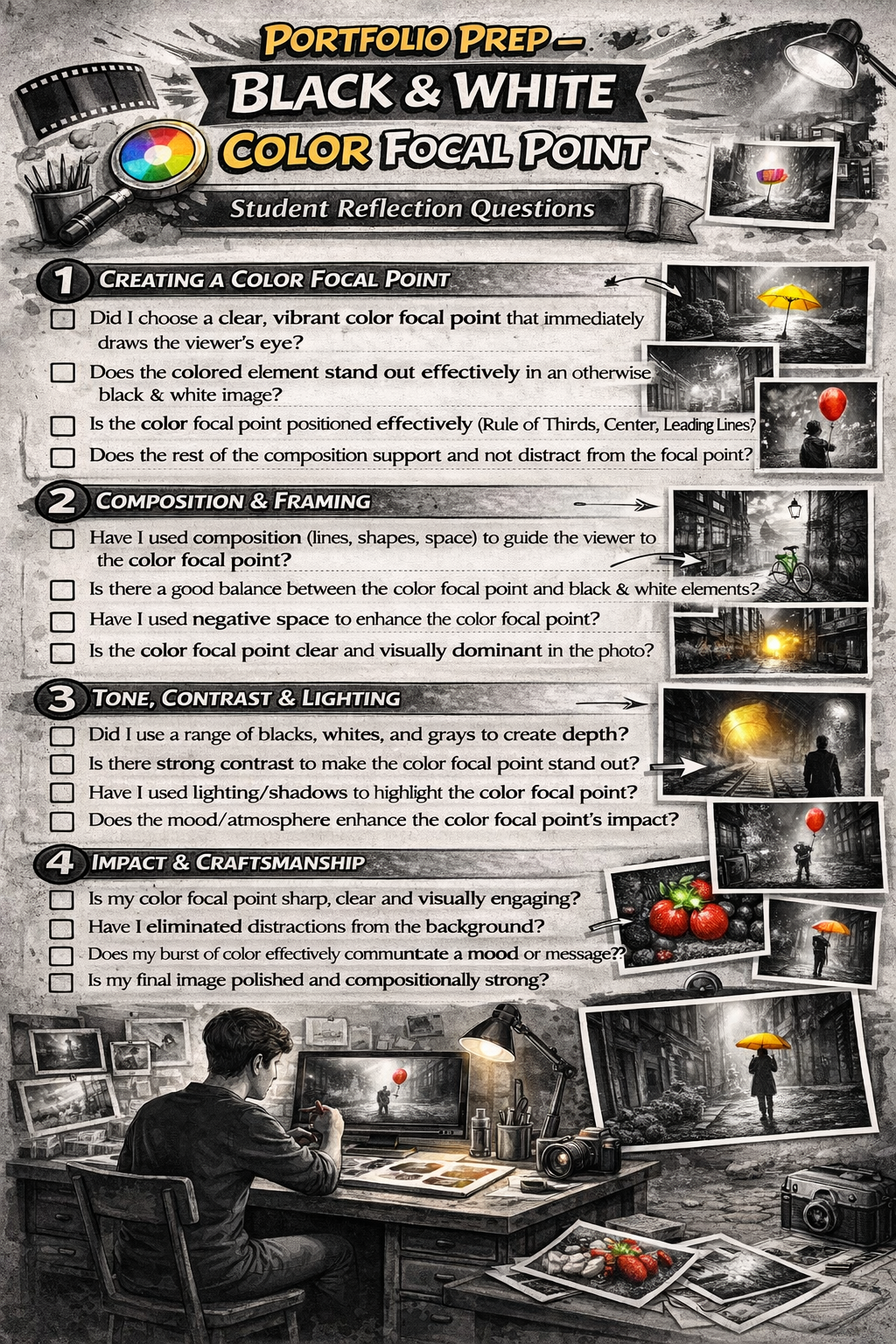
Student Reflection
A student reflection is a brief, thoughtful explanation of how and why a student created their artwork, including the choices they made, challenges they faced, and what they learned during the process. In art, reflection is important because it helps students develop critical thinking, recognize growth, strengthen their creative decision-making, and take ownership of their artistic development.
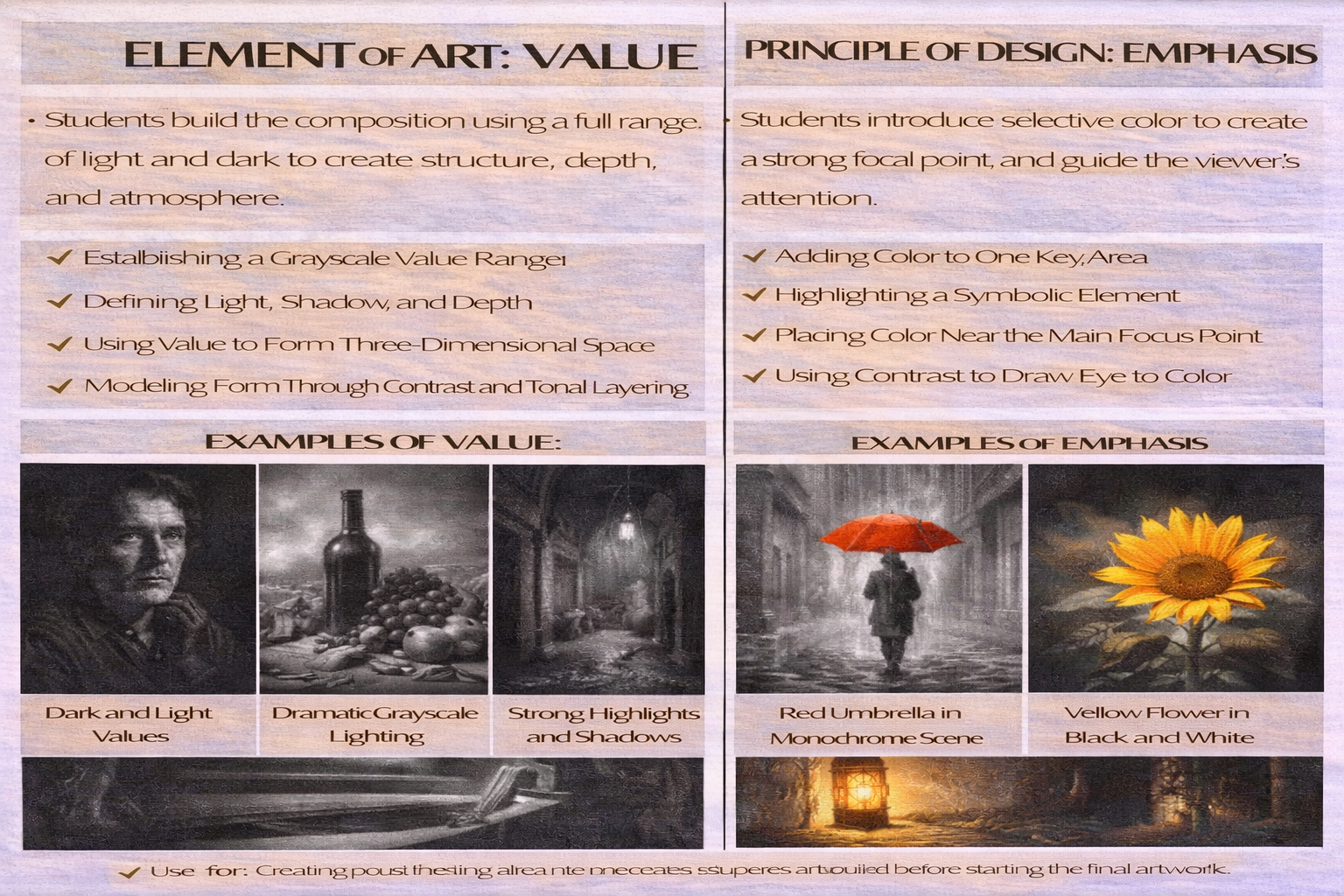
Element of Art & Principle of Design
Artists
Techniques
Examples



“Creativity takes courage.”

Cloverleaf High School
Follow Us