Monochromatic Painting
Project Overview
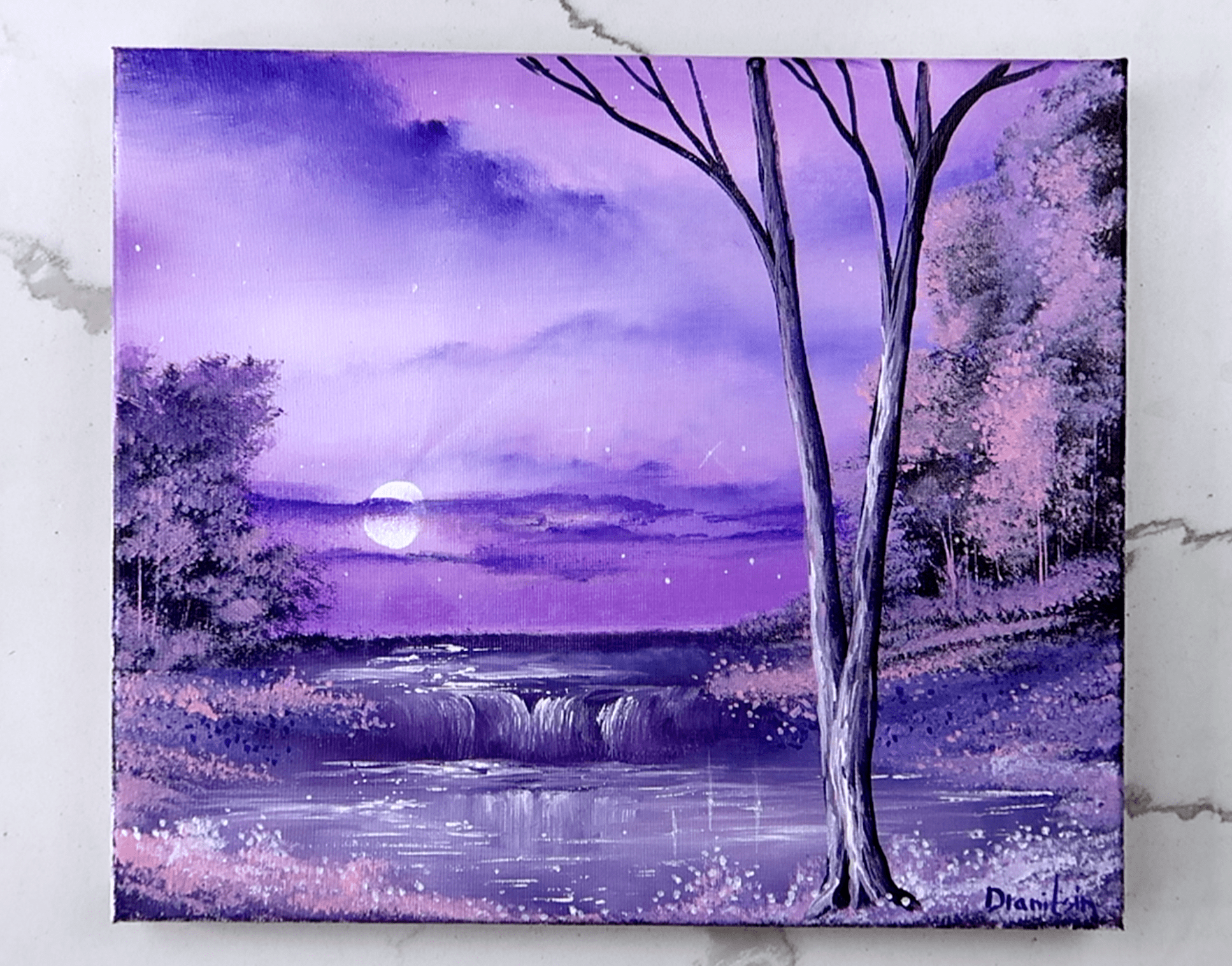
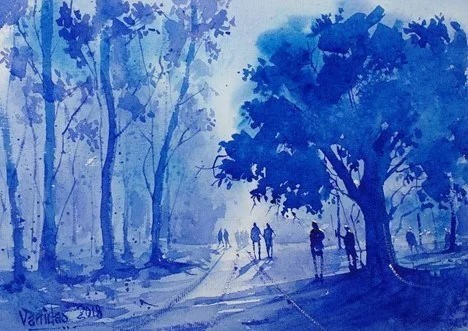
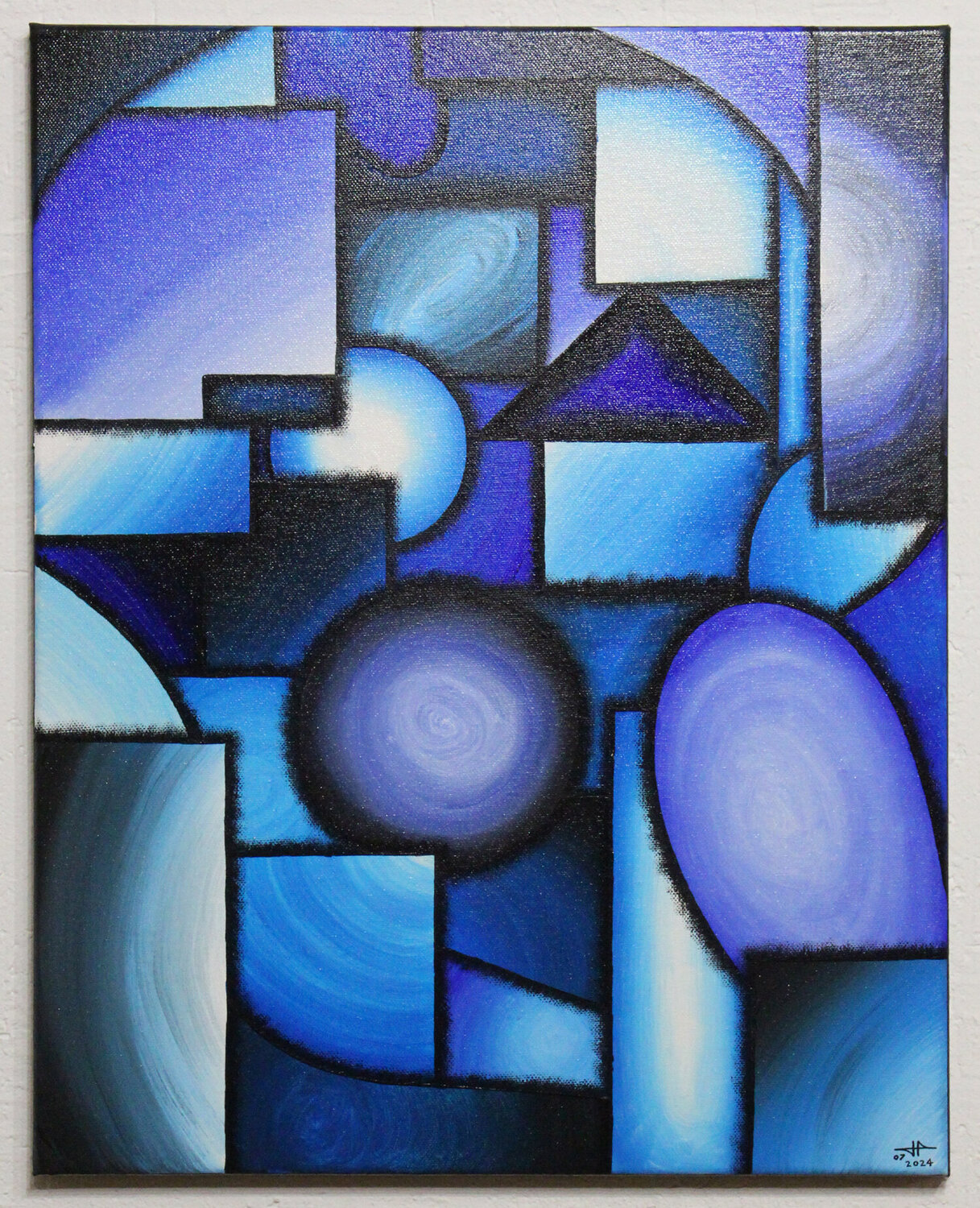
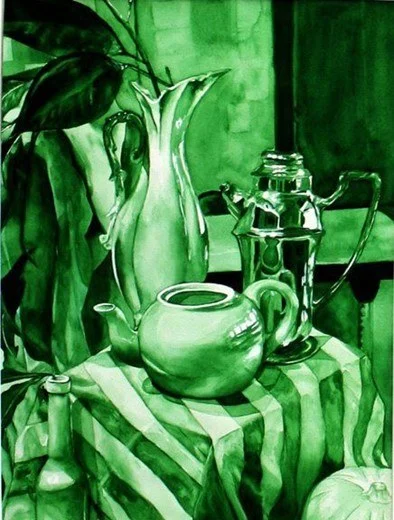
In this monochromatic acrylic painting project, students will create a painting using variations of a single color. By mixing tints (color + white) and shades (color + black), students will explore how value alone can create depth, mood, and realism without relying on multiple hues.
This project strengthens understanding of light and shadow, form, and composition while building technical skills in acrylic painting techniques such as blending, layering, and brush control.
Objectives
Students will:
* Demonstrate understanding of value through tints and shades.
* Create the illusion of three-dimensional form using light and shadow.
* Develop smooth blending and layering techniques with acrylic paint.
* Show thoughtful composition and focal point development.
* Express mood or atmosphere using a limited color palette.
Materials
* Canvas or heavy painting paper
* Acrylic paint (one chosen color + white and black)
* Assorted paintbrushes
* Palette and water cup
* Pencil (for initial sketch)
Process
1. Subject Selection & Planning: Choose a subject (portrait, still life, landscape, or symbolic imagery). Create thumbnail sketches to plan composition.
2. Value Scale Practice: Create a value scale using your chosen color to understand the range from light to dark.
3. Light Sketch: Lightly sketch your composition onto the canvas.
4. Blocking in Values: Begin with mid-tones, then gradually add darker shades and lighter highlights.
5. Blending & Refinement: Use layering and blending techniques to create smooth transitions and define form.
6. Final Details: Strengthen contrast and refine focal areas to complete the painting.
Assessment Criteria
* Effective range of values
* Strong illusion of depth and form
* Skillful use of acrylic techniques
* Thoughtful composition
* Craftsmanship and overall presentation
Creative Challenge
Consider how your color choice influences mood. For example, blues may create calm or melancholy, while reds can suggest intensity or energy. Focus on making the image visually engaging through contrast and careful control of light and shadow.
This project demonstrates how a single color, when thoughtfully manipulated, can create a powerful and visually compelling work of art.
Learning Objectives / Student Targets
By the end of this project, students will be able to:
1. Value & Form
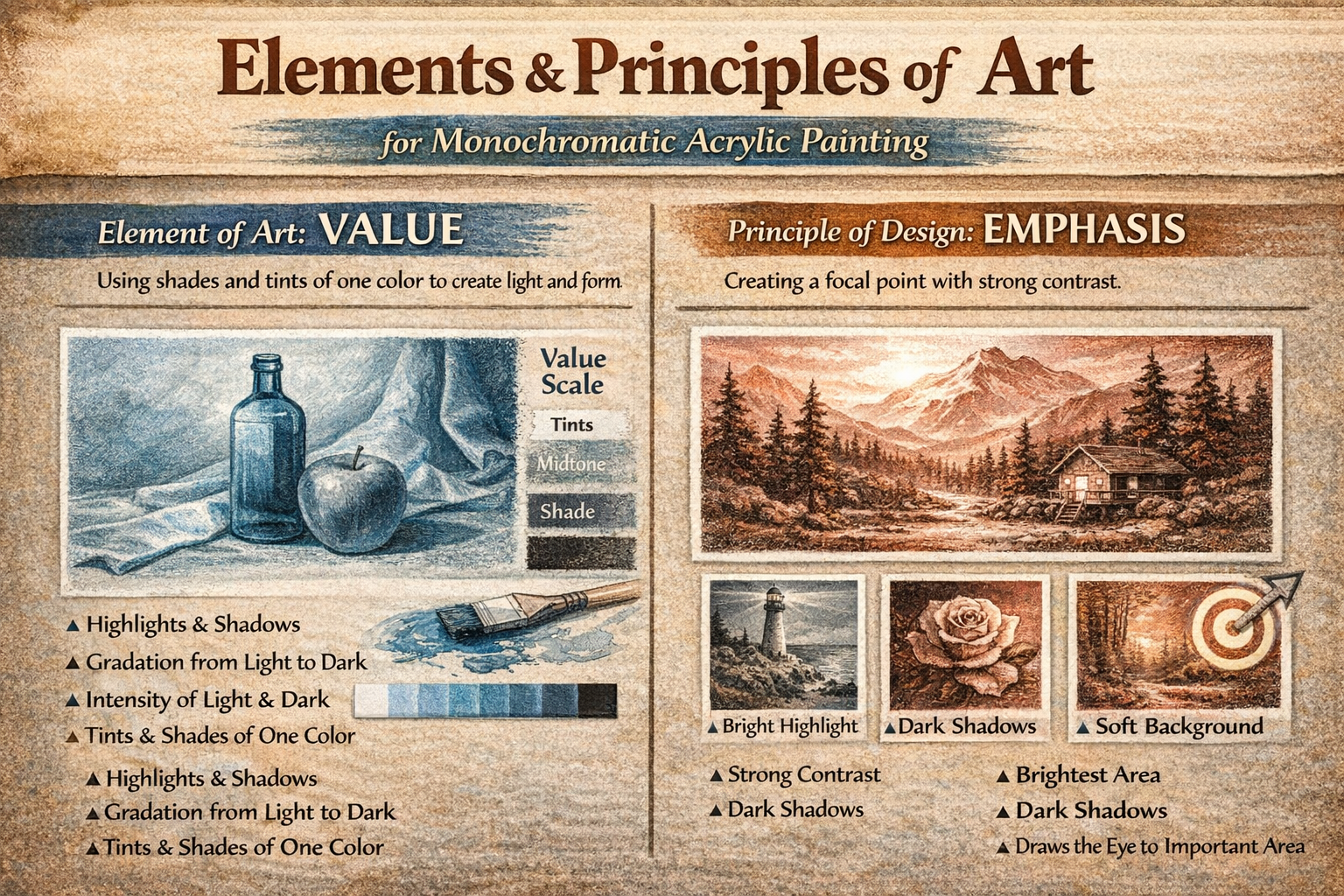
* Demonstrate understanding of tints (color + white) and shades (color + black) to create a full range of value.
* Use light and shadow to create the illusion of three-dimensional form.
Student Targets (I Can Statements)
* I can mix tints and shades to create a value range.
* I can use value to make objects appear 3D.
* I can identify where highlights and shadows should be in my composition.
2. Acrylic Painting Techniques
* Apply layering, blending, and brush control to achieve smooth transitions between values.
* Demonstrate technical skill in using acrylic paint to achieve subtle gradations of tone.
Student Targets (I Can Statements)
* I can layer and blend acrylic paint smoothly.
* I can control my brush to create clean transitions between light and dark areas.
* I can use acrylic techniques to emphasize form and depth.
3. Composition & Visual Design
* Plan and execute a thoughtful composition with a clear focal point.
* Arrange elements to create visual balance and interest.
Student Targets (I Can Statements)
* I can sketch a preliminary layout before painting.
* I can design a composition with a clear focal point.
* I can create balance and visual flow in my painting.
4. Mood & Expression
* Explore how color and value affect mood and atmosphere.
* Convey emotion, tone, or narrative using a limited color palette.
Student Targets (I Can Statements)
* I can choose a color that reflects the mood I want to express.
* I can use value contrast to make the painting visually engaging.
* I can communicate feeling or atmosphere using only one color.
5. Craftsmanship & Presentation
* Demonstrate careful application of materials and attention to detail.
* Complete a polished and visually compelling artwork.
Student Targets (I Can Statements)
* I can paint neatly and avoid accidental smudges or streaks.
* I can refine details to strengthen the overall effect of my painting.
* I can present my artwork with attention to craftsmanship.
Ohio Fine Arts Standards (Visual Arts)
Creating (CR)
Develop a practice of engaging with sources for idea generation.
Students plan composition, color choice (monochromatic scheme), and mood for their painting.
Select appropriate creative processes for solutions to artistic problems.
Students mix tints and shades and apply acrylic techniques to create depth and form using value relationships.
Performing (PE)
Refine artisanship while modeling persistence.
Students carefully blend, layer, and control brushwork for a polished result.
Organize elements of art and principles of design to intentionally construct works.
Students intentionally use value, contrast, space, and form to create depth and visual structure.
Responding (RE)
Expand relevant vocabulary to analyze and interpret works of art.
Students evaluate their own and peers’ use of value, contrast, and form.
Apply self-assessment and goal-setting practices to revise artworks and document growth.
Students revise highlights, shadows, and value relationships to strengthen depth and mood.
Develop art criticism methods when responding to artworks.
Students use rubric criteria to assess depth, value control, technique, and composition.
Connecting (CO)
Connect universal themes in visual arts to personal life experiences.
Students incorporate personal expression, theme, or emotion into their monochromatic painting.
Compare aesthetic theory and visual culture to inform personal aesthetic development.
Students explore how artists historically used monochromatic palettes to evoke mood, symbolism, or narrative.
Grading Rubric
Rubrics have become popular with teachers as a means of communicating expectations for an assignment, providing focused feedback on works in progress, and grading final products. A rubric is a document that articulates the expectations for an assignment by listing the criteria, or what counts, and describing levels of quality from excellent to poor.


Student Reflection
A student reflection is a brief, thoughtful explanation of how and why a student created their artwork, including the choices they made, challenges they faced, and what they learned during the process. In art, reflection is important because it helps students develop critical thinking, recognize growth, strengthen their creative decision-making, and take ownership of their artistic development.

Element of Art & Principle of Design
Monochromatic Painting Artists
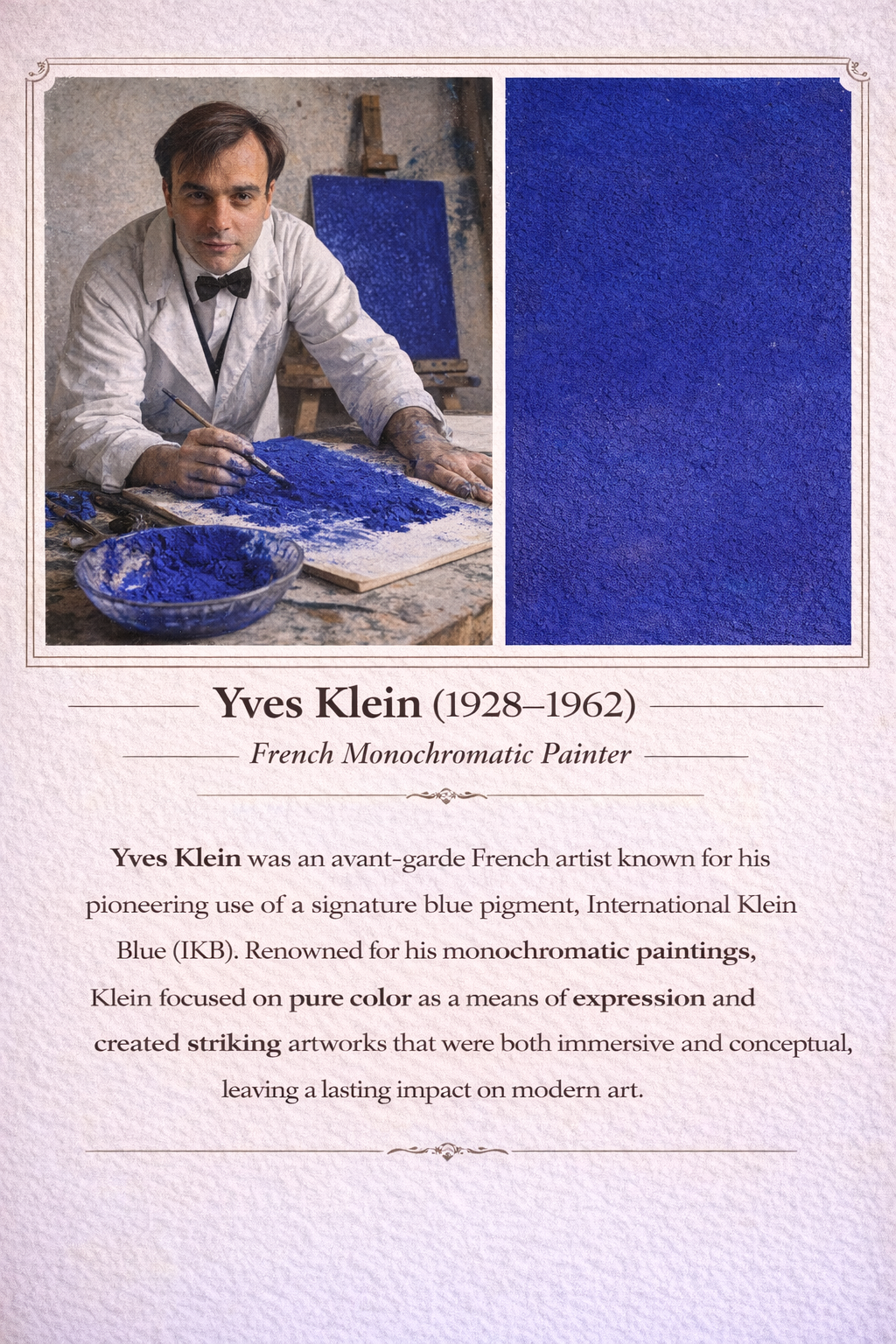
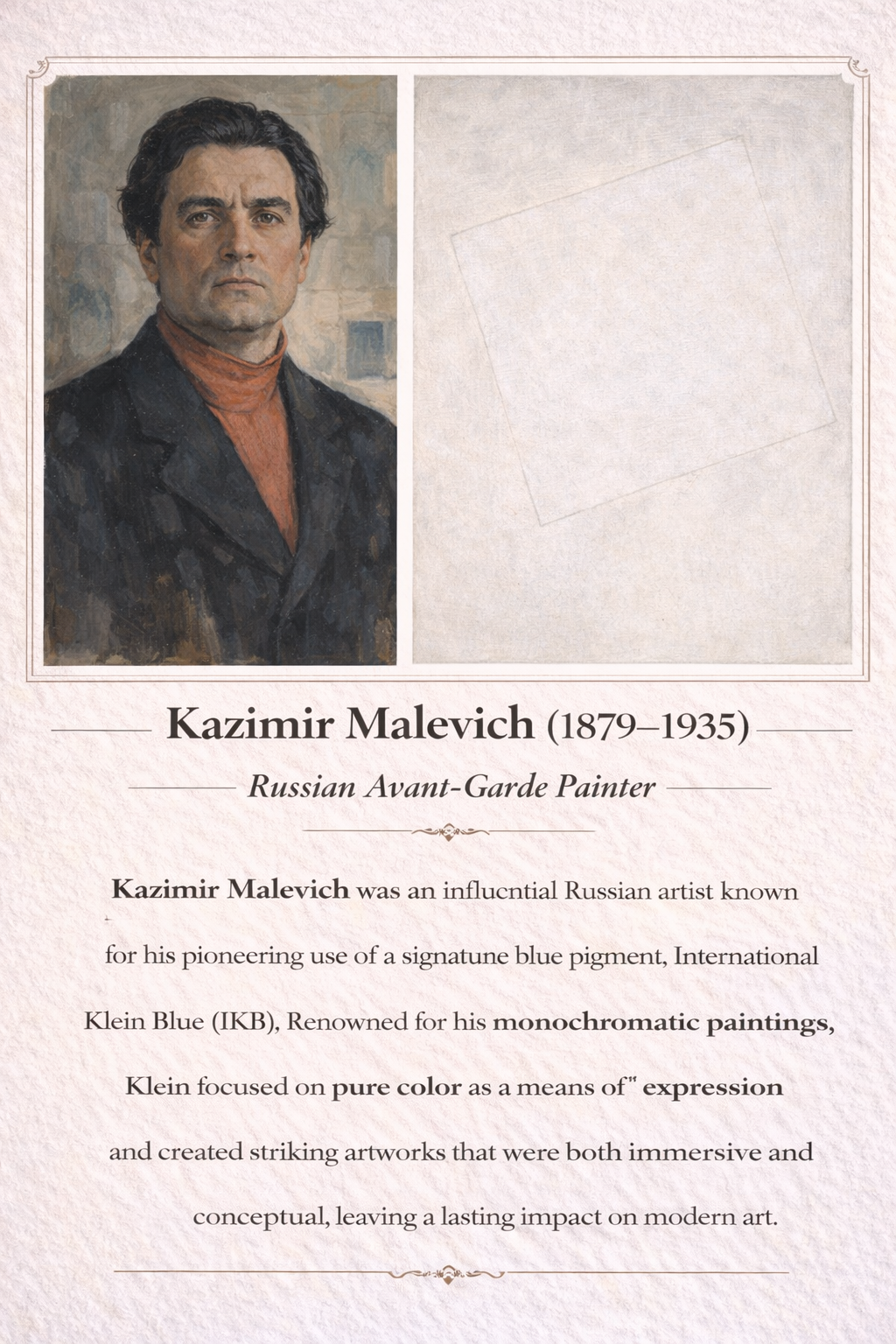
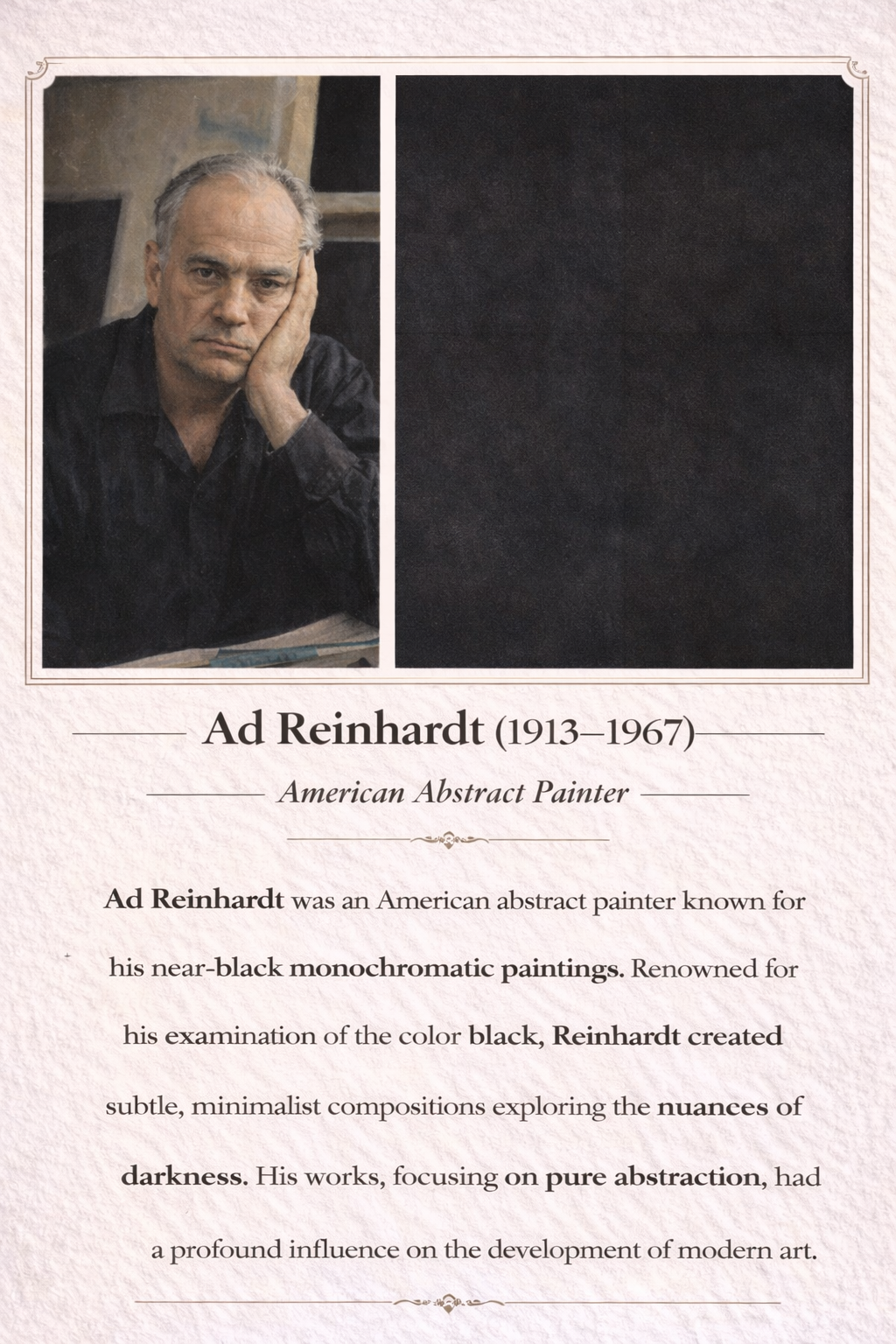
Techniques
1. Wet-on-Wet
Use for: Soft skies, clouds, misty mountains, water.
How: Apply clean water to the paper, then drop in color while it's still wet for soft, flowing edges.
2. Wet-on-Dry
Use for: Sharp details like trees, rocks, buildings.
How: Paint directly on dry paper for crisp edges and defined shapes.
3. Gradated Wash
Use for: Smooth transitions in sky or distant hills.
How: Load your brush with paint and gradually add water to fade the intensity as you paint downward.
4. Flat Wash
Use for: Clear skies, water bodies, background areas.
How: Paint a uniform layer of color with consistent tone.
5. Dry Brush
Use for: Texture—like tree bark, grass, or rocky surfaces.
How: Use a brush with minimal water and drag it lightly across the paper’s texture.
6. Lifting
Use for: Creating highlights or softening areas.
How: While the paint is still damp, blot with a tissue or lift with a damp brush.
7. Glazing
Use for: Adjusting color, adding depth, layering shadows.
How: Apply transparent washes over dry paint to build up color gradually.
8. Splattering
Use for: Texture in foliage, dirt, or starry skies.
How: Tap or flick the brush to scatter small drops of paint.
9. Salt Texture
Use for: Interesting textures in sky or ground.
How: Sprinkle salt on wet paint—once dry, brush it off to reveal crystal-like textures.
10. Negative Painting
Use for: Defining shapes like leaves, branches, or highlights by painting around them.
How: Leave the subject area untouched and paint the background.
11. Backruns (Cauliflowers)
Use for: Accidental or intentional abstract effects in skies or water.
How: Happens when adding wetter paint to a drying area—control this for effect or avoid if unwanted.
12. Scratching or Sgraffito
Use for: Fine lines like grasses or branches.
How: Scratch into the paper with a knife or stick while the paint is damp.
Handout
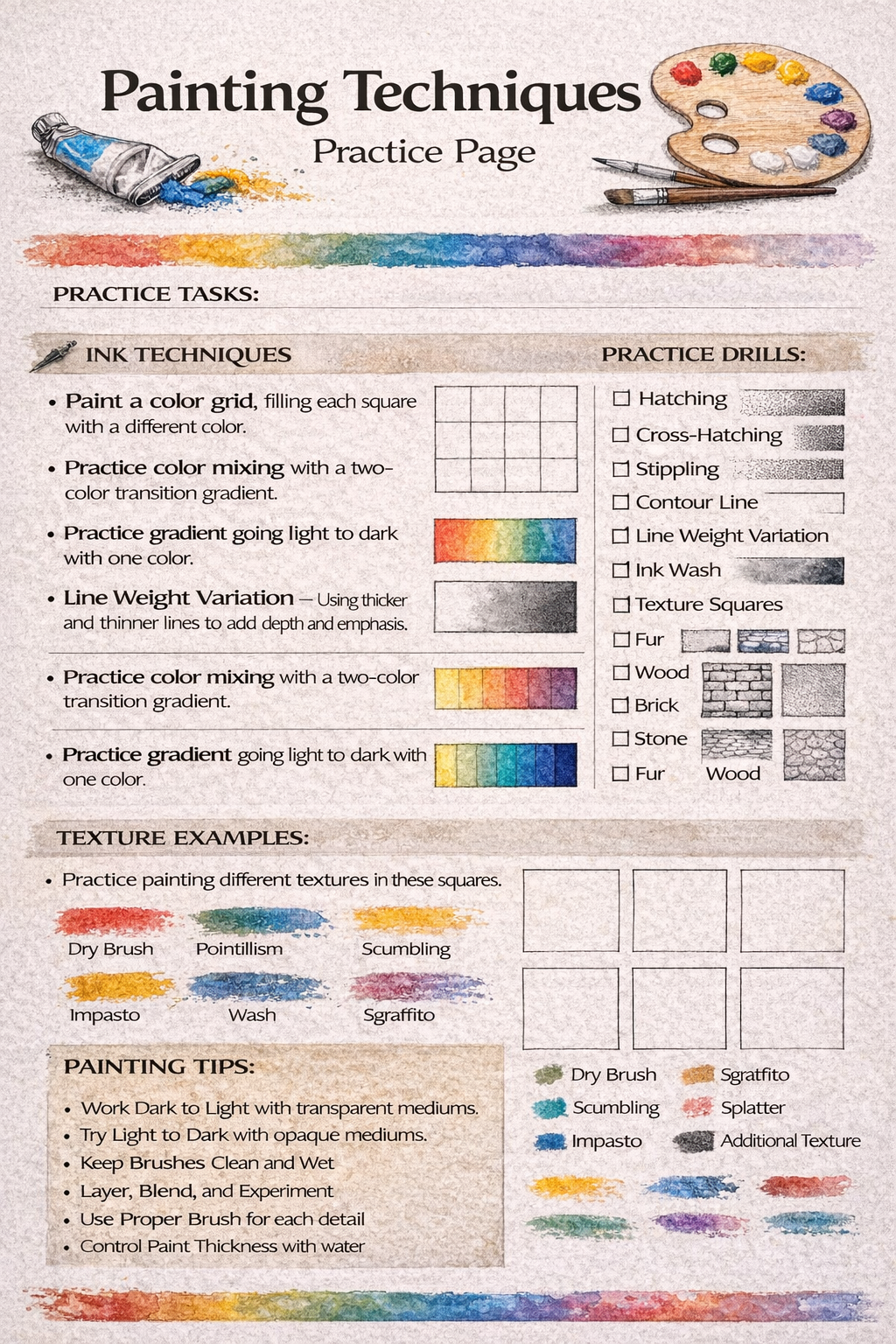
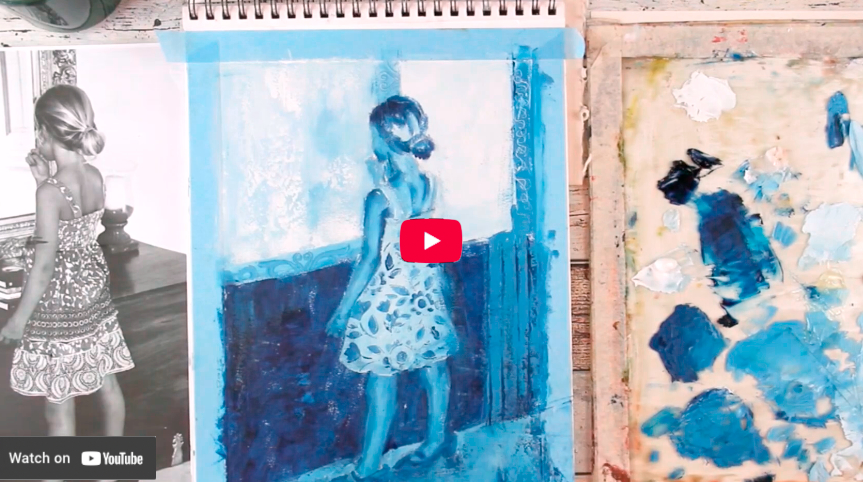
Project Demonstration
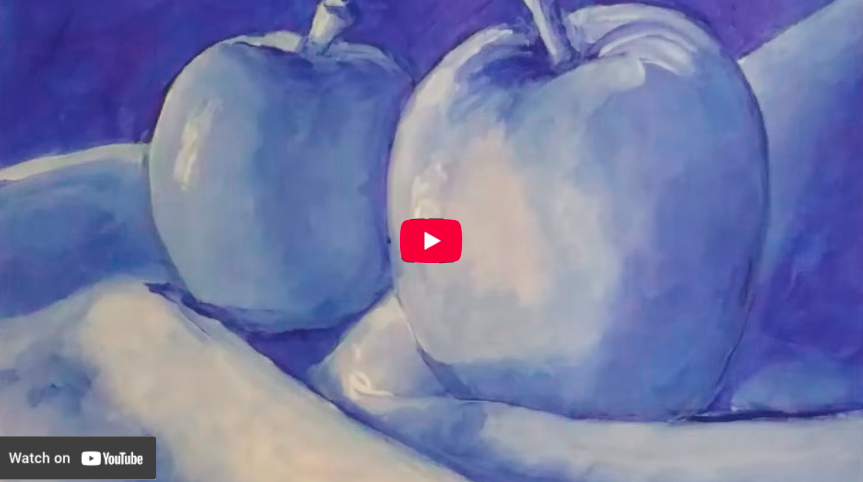
Examples
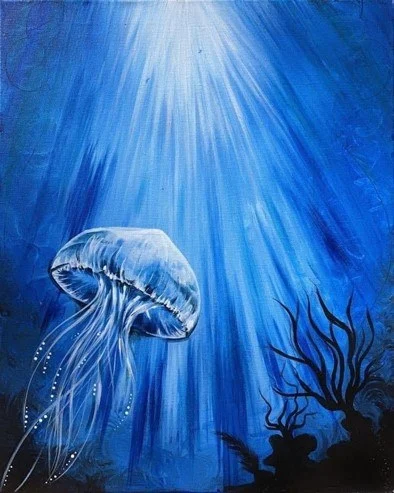



“Creativity takes courage.”

Cloverleaf High School
Follow Us