Video Commerical
Project Overview
In this assignment, students will produce a 30-second to 1-minute commercial promoting a product of their choice. Using video editing software such as DaVinci Resolve, Final Cut Pro, or Adobe Premiere, students will combine footage, sound, text, and effects to create a persuasive and visually engaging advertisement.
This project emphasizes storytelling, planning, editing, and visual communication skills while allowing students to explore creative marketing strategies and professional video production techniques.
Objectives
Students will:
* Develop a clear concept and script for a commercial.
* Apply principles of storytelling, pacing, and visual narrative.
* Demonstrate technical proficiency in video editing software.
* Use audio, music, sound effects, and text to enhance the message.
* Apply visual design principles (composition, color, typography) in a moving medium.
* Produce a polished, professional-quality commercial within the time limit.
Materials
* Camera or smartphone with video recording capabilities
* Computer with video editing software:
* DaVinci Resolve
* Adobe Premiere Pro
* Final Cut Pro
* Microphone for clear audio (optional but recommended)
* Storyboard or planning materials
Process
1. Product Selection & Concept: Choose a product and define your target audience. Brainstorm creative angles and messages.
2. Script & Storyboard: Write a script and create a storyboard outlining shots, transitions, and key messaging.
3. Filming: Capture video footage, ensuring proper lighting, framing, and audio quality.
4. Editing: Import footage into your chosen software. Cut clips, add transitions, overlay text, apply effects, and synchronize audio.
5. Refinement: Adjust color, sound levels, pacing, and timing to ensure clarity and impact.
6. Export & Presentation: Render the final video in high quality and prepare it for class presentation.
Assessment Criteria
* Clarity and creativity of concept
* Strong storytelling and visual narrative
* Technical skill in editing and post-production
* Effective use of audio, text, and visual effects
* Professional quality, pacing, and timing
* Overall persuasiveness and impact of the commercial
Creative Challenge
A great commercial captures attention and communicates a message quickly. Consider how you can use visuals, sound, and editing to make your product memorable in just 30–60 seconds. Could a dramatic close-up, clever tagline, or unexpected twist make your ad more engaging?
This project teaches students to think like professional filmmakers and advertisers, combining creativity, technical skill, and strategic communication in a short-form video format.
Learning Objectives / Student Targets
Students will be able to:
1. Develop a clear advertising concept and script that communicates a product’s purpose and appeals to a target audience.
2. Apply principles of storytelling and visual narrative to structure a short-form commercial.
3. Plan video production using storyboards and shot lists to organize scenes, transitions, and messaging.
4. Capture effective video footage using proper framing, lighting, and composition.
5. Use video editing software (DaVinci Resolve, Adobe Premiere, or Final Cut Pro) to assemble and refine video clips.
6. Incorporate audio elements such as music, narration, and sound effects to enhance the commercial’s message.
7. Apply visual design principles including pacing, composition, color, and typography in a moving visual medium.
8. Produce a polished, professional-quality commercial within a 30–60 second time limit.
Ohio Fine Arts Standards (Visual Arts)
Creating
Develop a practice of engaging with sources for idea generation.
Students use multiple approaches to begin creative endeavors, including observational drawing, thumbnail sketches, and exploratory studies.
Select appropriate creative processes for solutions to artistic problems.
Students organize and develop artistic ideas through intentional planning and problem-solving strategies.
Performing
Refine artisanship while modeling persistence.
Students demonstrate quality craftsmanship through careful selection, handling, and care of materials and tools.
Apply and defend the selection of materials and techniques.
Students individually or collaboratively apply tools, media, and techniques with precision to enhance artistic intent.
Organize elements of art and principles of design to intentionally construct works.
Students intentionally use value, texture, color layering, and compositional strategies to strengthen artistic quality.
Responding
Expand relevant vocabulary to analyze and interpret works of art.
Students use art vocabulary to express preferences with evidence and supporting reasons.
Develop art criticism methods when responding to artworks.
Students analyze how artistic methods such as value, texture, and layering convey mood or tone and reflect observation or cultural meaning.
Apply self-assessment and goal-setting practices to revise artworks and document growth.
Students establish and apply criteria to evaluate artistic choices, craftsmanship, and overall design quality.
Explain the relationship between cultures, communities, and artists.
Students consider how artworks reflect observation, investigation, or cultural context.
Connecting
Connect universal themes in visual arts to personal life experiences.
Students create works that reflect personal connections to experiences, knowledge, or observation.
Investigate emotional experiences through personal and collaborative artmaking.
Students relate artistic ideas and works to other disciplines, including how material behavior influences compositional decisions.
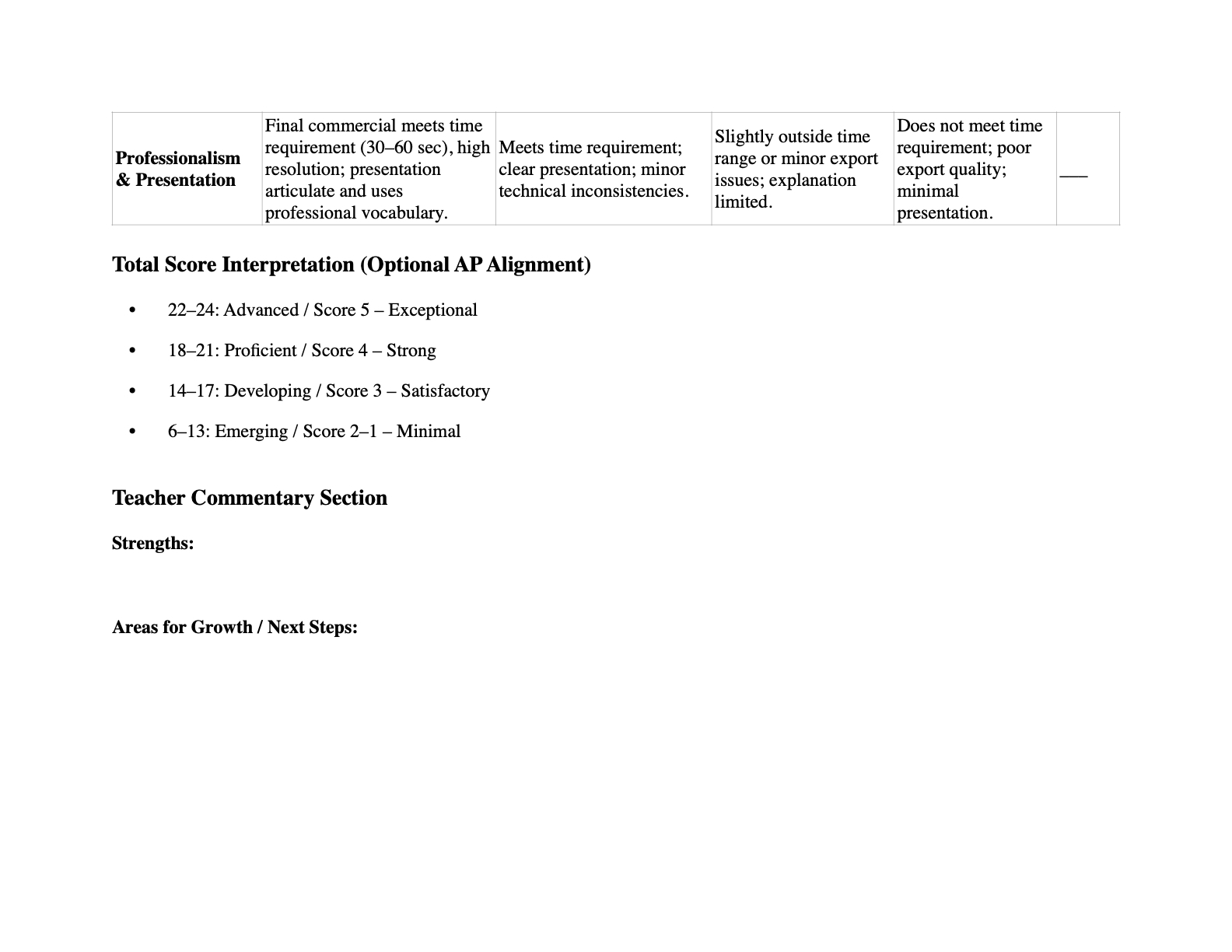
Grading Rubric
Rubrics have become popular with teachers as a means of communicating expectations for an assignment, providing focused feedback on works in progress, and grading final products. A rubric is a document that articulates the expectations for an assignment by listing the criteria, or what counts, and describing levels of quality from excellent to poor.

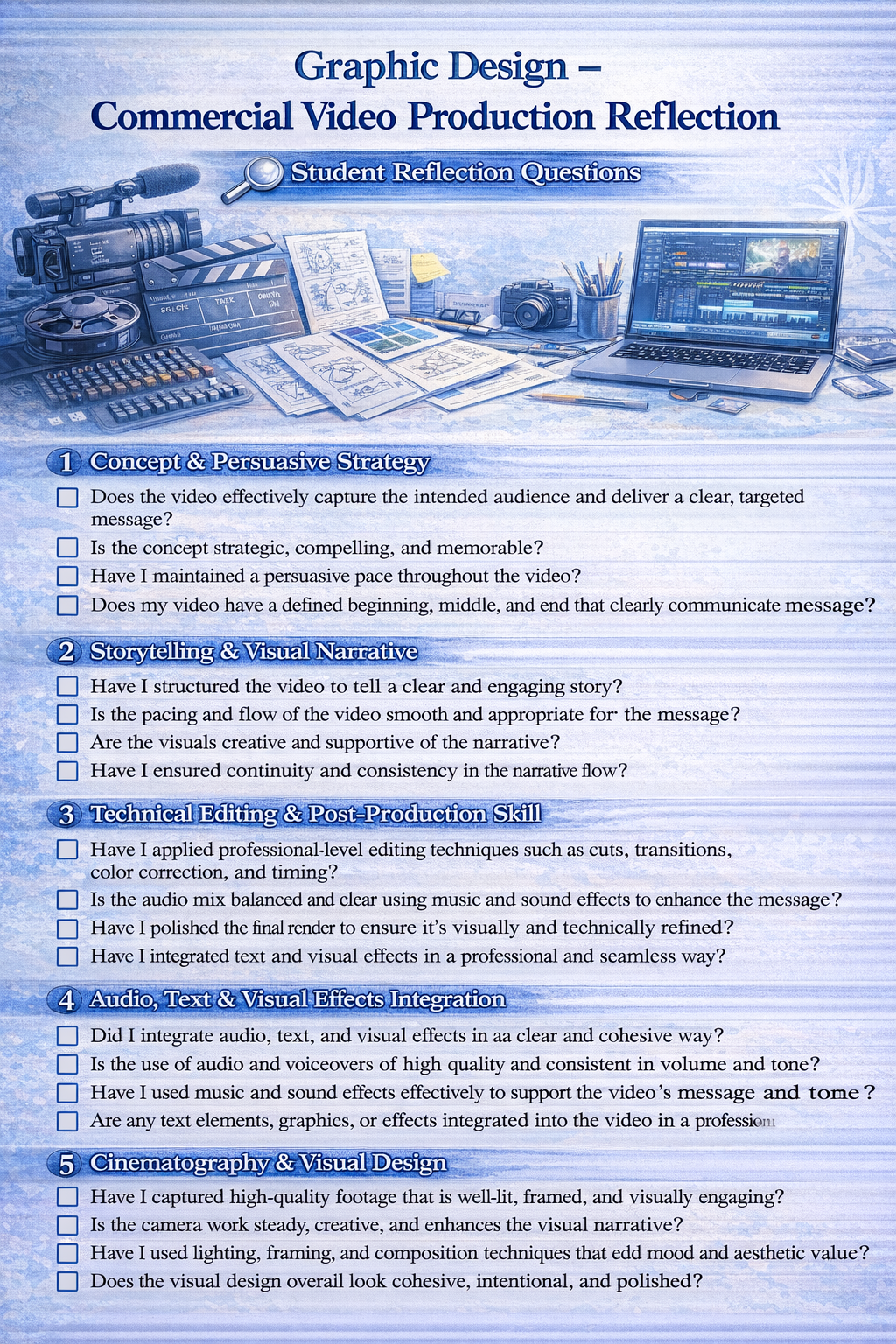
Student Reflection
A student reflection is a brief, thoughtful explanation of how and why a student created their artwork, including the choices they made, challenges they faced, and what they learned during the process. In art, reflection is important because it helps students develop critical thinking, recognize growth, strengthen their creative decision-making, and take ownership of their artistic development.
Element of Art & Principle of Design

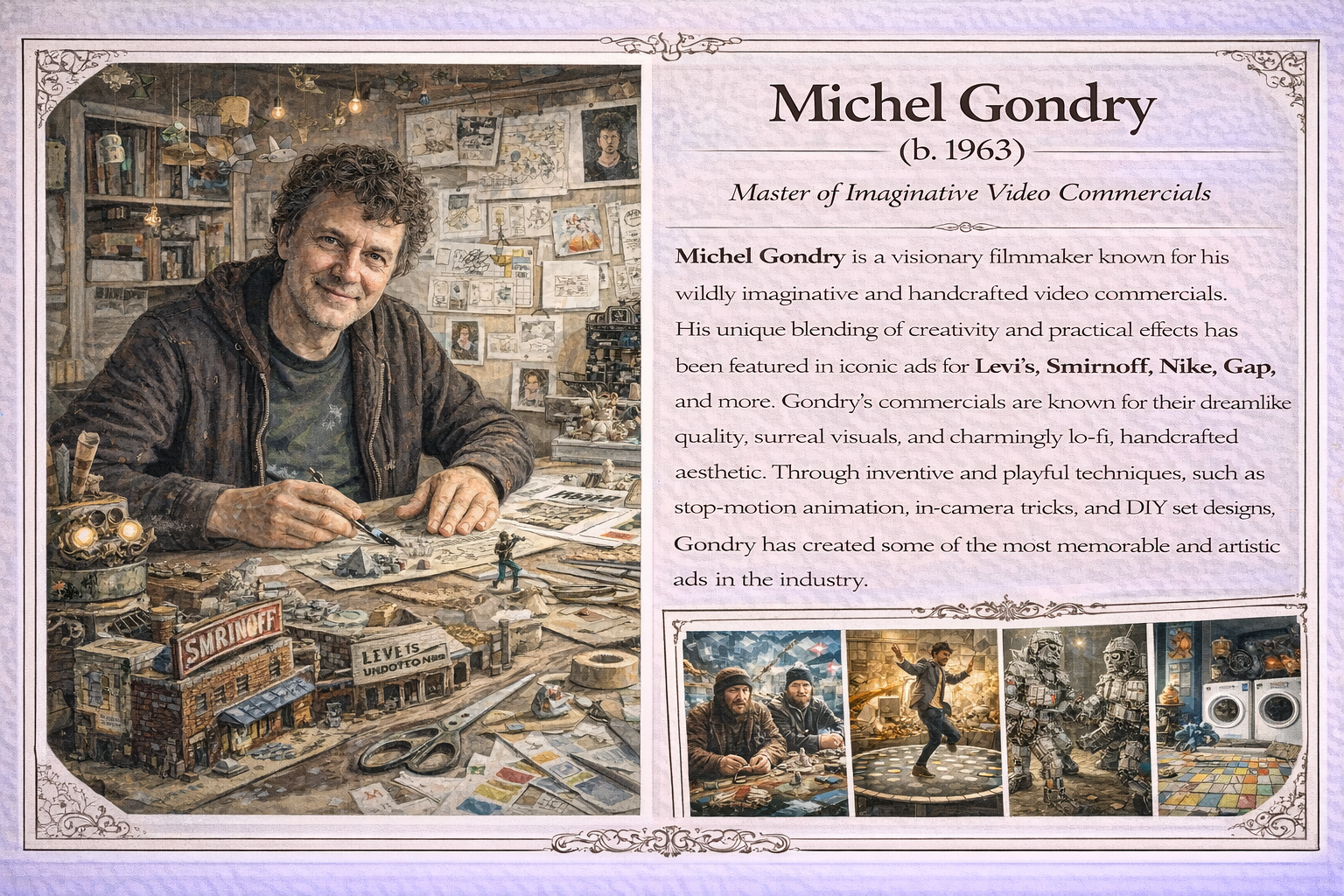
Video Commerical Artists

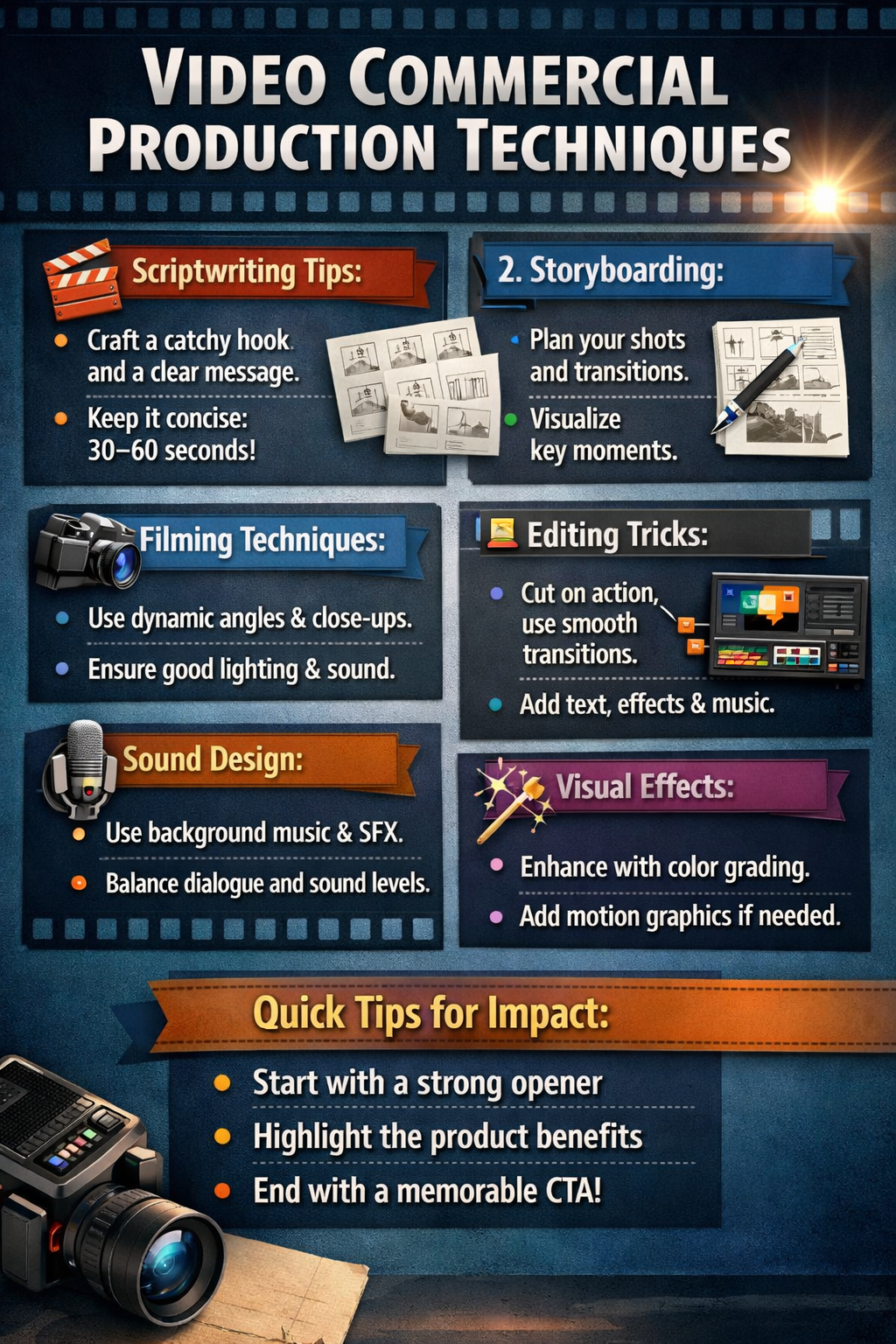
Techniques
Project Demonstrations

Examples


“Creativity takes courage.”

Cloverleaf High School
Follow Us