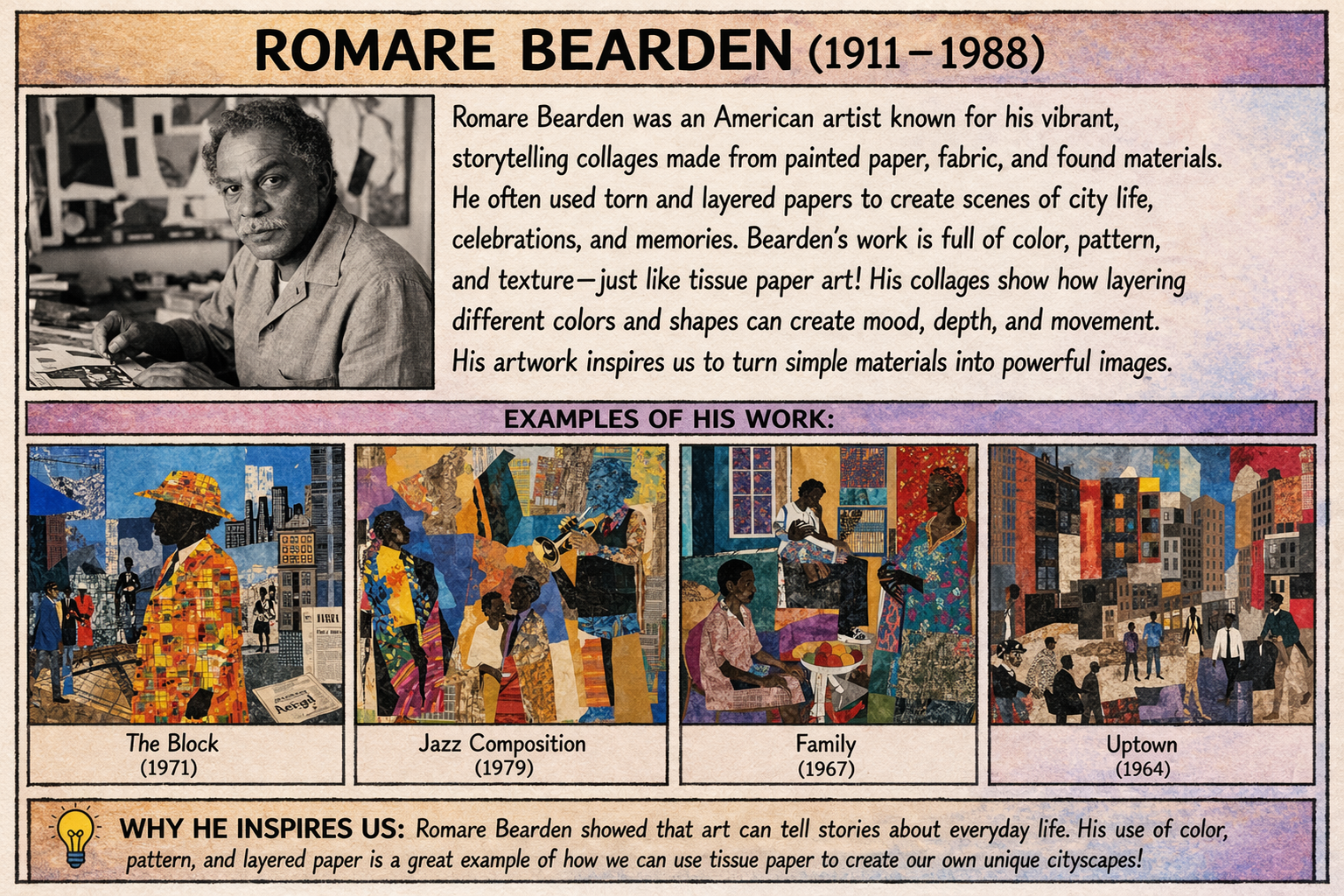
Tissue Paper City Scape
Project Overview
In this project, students will design and create a vibrant cityscape using bleeding tissue paper as the foundation. By layering warm and cool colored tissue paper onto a rectangular composition, students will explore how colors blend, overlap, and interact to create rich, expressive backgrounds. Once the painted surface is complete and dry, students will use ink to creatively design and draw a variety of buildings on top of their abstract color fields.
The goal is to explore color theory (warm vs. cool), pattern, and contrast while combining painting and drawing techniques. Students will focus on how color can set a mood or time of day, and how line and shape can transform an abstract background into a recognizable cityscape. Emphasis will be placed on creativity, composition, and craftsmanship.
Objectives
Students will:
* Apply principles of design (contrast, pattern, balance, emphasis).
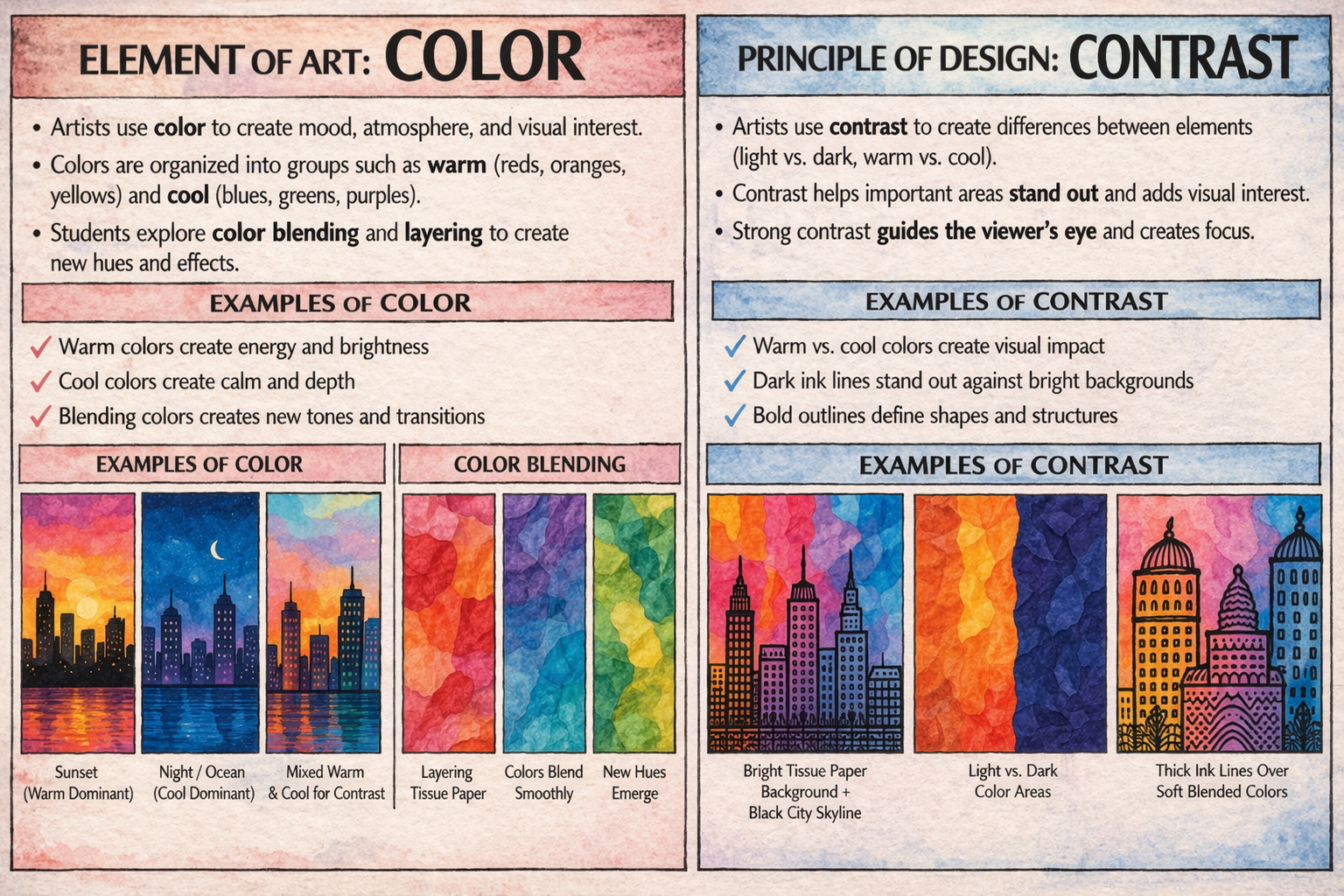
* Explore warm and cool color relationships through bleeding tissue paper.
* Understand how colors blend and interact to create new hues.
* Create a rectangular composition with intentional color placement.
* Develop creative building designs using line, shape, and detail.
* Use ink to create strong contrast against a colorful background.
* Demonstrate craftsmanship and thoughtful artistic choices.
Materials
* Bleeding tissue paper (variety of warm and cool colors)
* Water (spray bottles or brushes)
* Heavyweight paper or watercolor paper
* Scissors
* Brushes (for applying water if needed)
* Paper towels (for blotting excess water)
* Black ink (or permanent marker)
* Fine-tip and/or brush pens
* Pencil for sketching
* Protective covering for workspace
Process
1. Introduction to Color & Concept:
Discuss warm vs. cool colors and how they can create mood (sunset, nighttime, abstract atmosphere). Introduce the idea of transforming an abstract background into a cityscape.
2. Planning the Composition:
Lightly divide the paper into a rectangle composition if needed. Decide how warm and cool colors will be arranged (sections, patterns, or blended areas).
3. Tissue Paper Application:
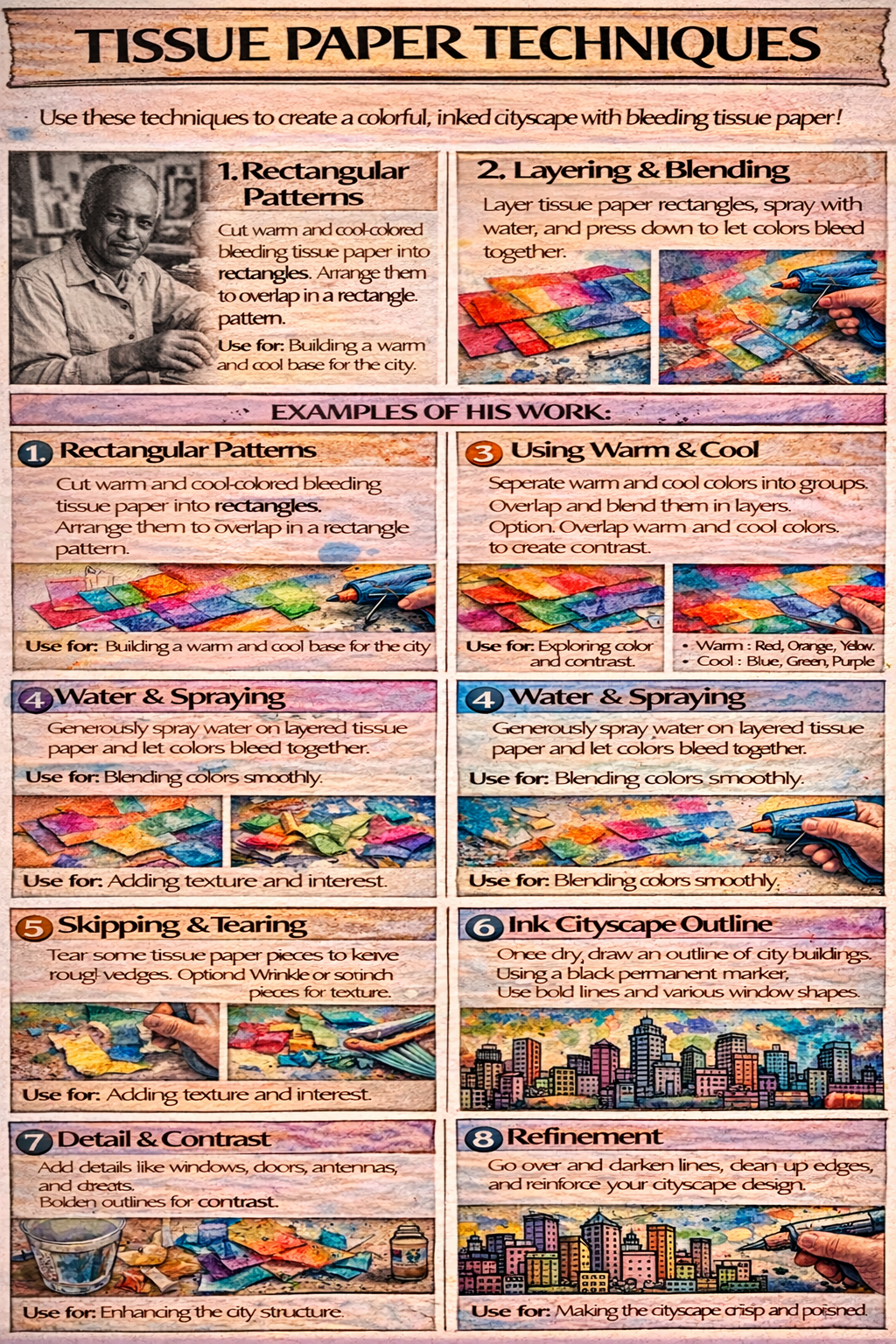
Cut or tear tissue paper into shapes. Arrange pieces onto the paper and apply water to activate the dye. Layer colors to create blending and interesting effects.
4. Drying & Revealing Color:
Allow the paper to dry completely. Once dry, remove excess tissue if needed to reveal the vibrant, blended background.
5. Sketching the Cityscape:
Lightly sketch building outlines over the background. Consider a variety of building heights, shapes, and architectural styles.
6. Inking the Design:
Use black ink or marker to trace over the buildings. Add details such as windows, patterns, textures, and line variations to enhance visual interest.
7. Final Touches & Presentation:
Refine lines, add additional details, and ensure a clean, finished piece ready for display.
Assessment Criteria
* Effective use of warm and cool color combinations
* Creative and balanced rectangular composition
* Strong contrast between background and ink drawing
* Variety and originality in building designs
* Craftsmanship and attention to detail
* Completion and overall presentation quality
Creative Challenge
Color can completely change the feeling of a city. Will your city feel warm like a sunset, cool like nighttime, or a mix of both? Think about how your color choices influence mood. How can you make your buildings unique? Will they be realistic, futuristic, whimsical, or abstract? Consider using different line weights, patterns, and details to bring your city to life. This project challenges students to combine painting and drawing while transforming abstract color into a structured, imaginative cityscape.
Learning Objectives / Student Targets
1. Understanding of Color Theory
* Identify and differentiate between warm and cool colors.
* Apply warm and cool color combinations to create visual contrast and mood.
* Observe and explain how colors blend and interact through the bleeding tissue paper process.
2. Material & Technique Skills (Bleeding Tissue Paper)
* Safely and effectively cut or tear tissue paper into usable shapes.
* Apply water appropriately to activate color transfer without oversaturating the paper.
* Layer tissue paper to create blended colors and interesting visual effects.
3. Surface & Background Development
* Create a fully developed rectangular composition using tissue paper.
* Demonstrate control of placement, overlap, and spacing to build a cohesive background.
* Use color placement intentionally to guide the viewer’s eye across the composition.
4. Line & Ink Drawing Skills
* Use ink or marker to create clear, confident lines.
* Demonstrate control of line weight and detail to define shapes and structures.
* Create strong contrast between the colorful background and the ink drawing.
5. Cityscape Design & Composition
* Design a variety of buildings using different shapes, sizes, and styles.
* Organize buildings within the composition to create balance and visual interest.
* Show awareness of foreground, middle ground, and background (if applicable).
6. Creativity & Artistic Decision-Making
* Experiment with imaginative and original building designs.
* Make intentional choices about color, pattern, and detail.
* Adapt ideas throughout the process to improve the overall composition.
7. Craftsmanship & Presentation
* Demonstrate neatness and care in both the tissue paper and ink processes.
* Maintain a clean workspace and handle materials responsibly.
* Complete a polished final artwork suitable for display.
8. Reflection & Artistic Growth
* Evaluate how color choices affect the mood of the artwork.
* Reflect on the effectiveness of composition and design decisions.
* Demonstrate growth in combining painting and drawing techniques within one project.
Ohio Fine Arts Standards (Visual Arts)
Creating (Cr)
* Generate and conceptualize artistic ideas based on observation, imagination, and personal experience.
* Organize and develop artistic ideas using elements and principles of design (such as color, contrast, pattern, and balance).
* Apply understanding of warm and cool color relationships to create an expressive background.
* Experiment with materials (bleeding tissue paper, water, ink) to explore color blending and surface effects.
* Plan and design a cityscape composition that transforms an abstract background into a representational image.
Producing / Performing (Pr)
* Demonstrate skill and craftsmanship in the use of art materials and tools.
* Apply techniques for bleeding tissue paper, including layering and controlled water application.
* Use ink or marker to create clear, intentional lines and detailed designs.
* Apply elements of art (line, shape, color) and principles of design (contrast, pattern, balance) to create a visually effective composition.
* Solve visual problems related to composition, spacing, and contrast between background and foreground.
Responding (Re)
* Analyze how color (warm vs. cool) and contrast are used to create mood and visual interest.
* Interpret how artistic choices (color blending, line quality, building design) communicate meaning.
* Reflect on personal artwork and identify strengths and areas for improvement.
* Use appropriate art vocabulary to describe processes such as blending, layering, contrast, and composition.
Connecting (Co)
* Relate artistic ideas and work to personal experiences, imagination, and surroundings.
* Identify how art connects to real-world environments such as cities, architecture, and skylines.
* Understand how artists use color and design to represent time of day, mood, or atmosphere.
* Make connections between visual art and other disciplines (science of color mixing, geography of cities, math in shapes and structures).
Enduring Understandings (Ohio Visual Art Framework)
* Personal Choice and Vision: Students express ideas through imaginative cityscape designs and color choices.
* Critical and Creative Thinking: Students experiment with materials and solve design challenges during the process.
* Authentic Application: Students apply color theory and drawing skills to create a meaningful mixed-media artwork.
* Literacy in the Arts: Students interpret and communicate meaning through color, line, and reflective thinking.
Summary for Your Lesson Plan
This bleeding tissue paper cityscape project aligns with Ohio’s standards by requiring students to:
* Create original artwork using color theory and design principles
* Produce a mixed-media piece combining painting and drawing techniques
* Respond through reflection on artistic choices and outcomes
* Connect their work to real-world environments, personal ideas, and cross-disciplinary concepts
Grading Rubric
Rubrics have become popular with teachers as a means of communicating expectations for an assignment, providing focused feedback on works in progress, and grading final products. A rubric is a document that articulates the expectations for an assignment by listing the criteria, or what counts, and describing levels of quality from excellent to poor.


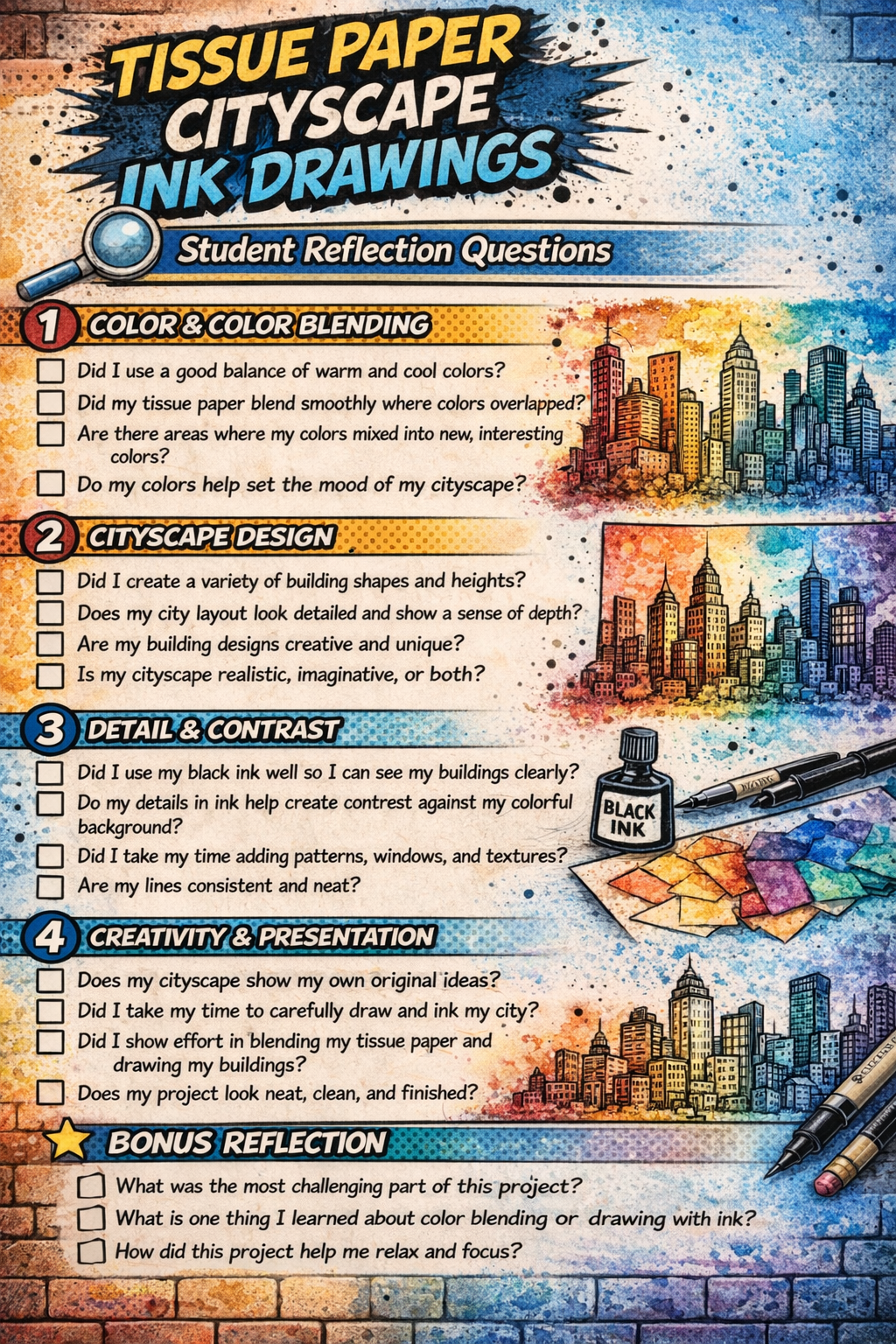
Student Reflection
A student reflection is a brief, thoughtful explanation of how and why a student created their artwork, including the choices they made, challenges they faced, and what they learned during the process. In art, reflection is important because it helps students develop critical thinking, recognize growth, strengthen their creative decision-making, and take ownership of their artistic development.
Element of Art & Principle of Design
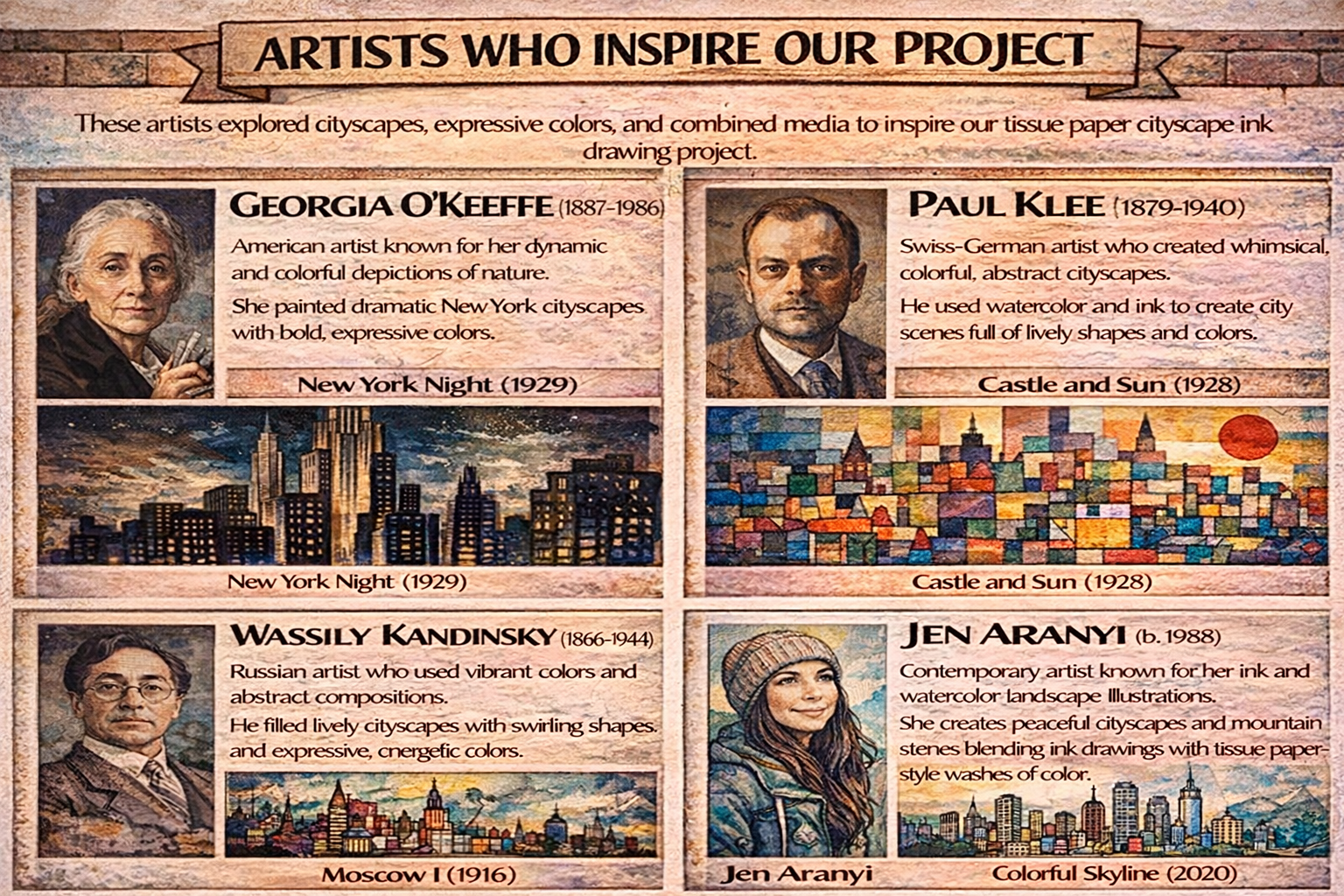
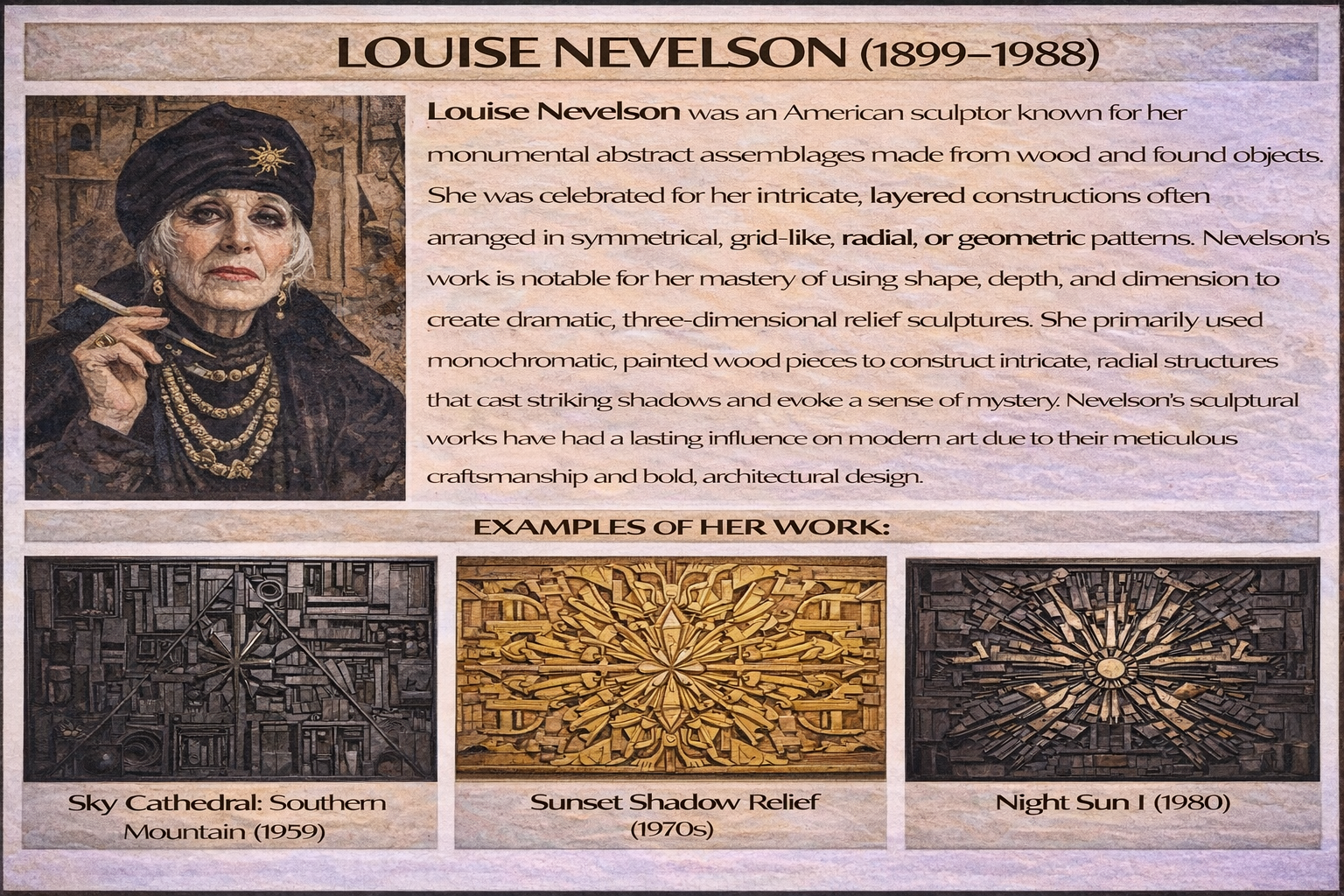
Artists
Techniques
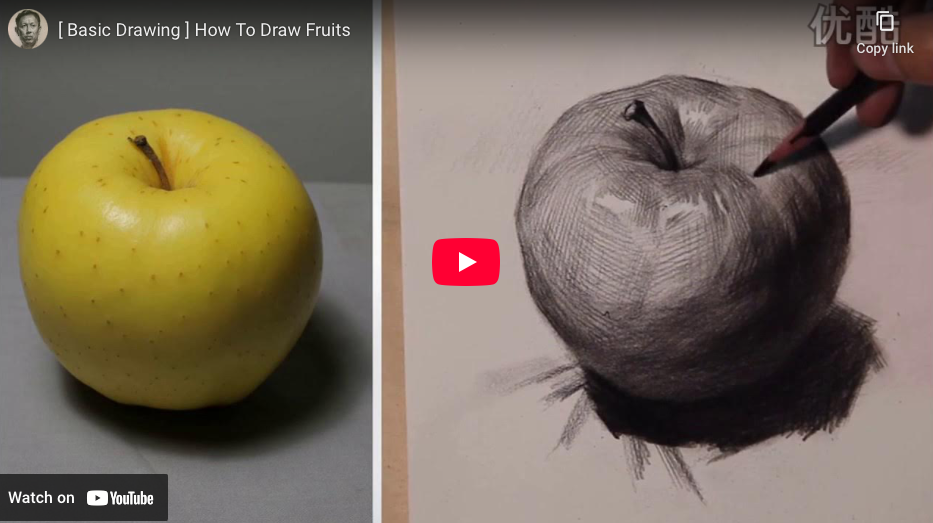
Project Demonstrations
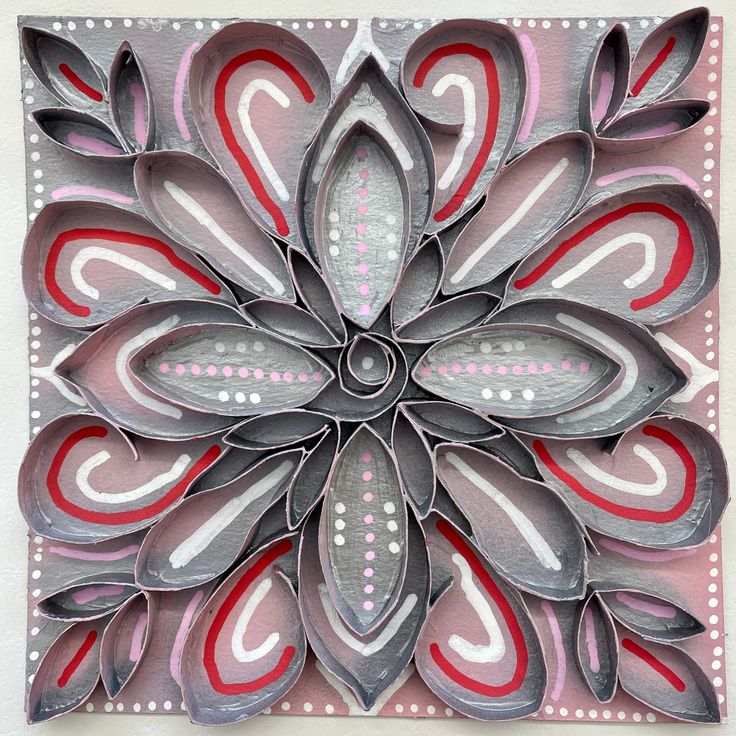
Examples
“Creativity takes courage.”

Cloverleaf High School
Follow Us