Zentangle Animals
Project Overview
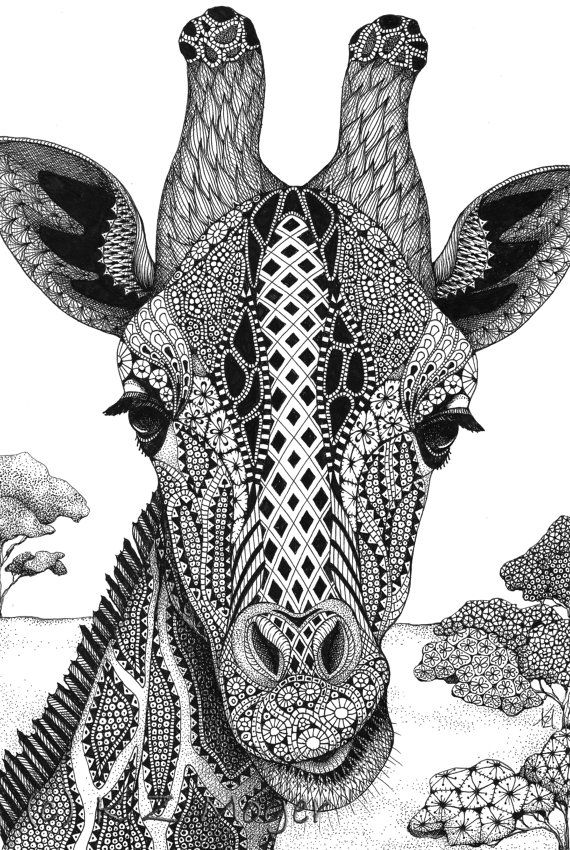
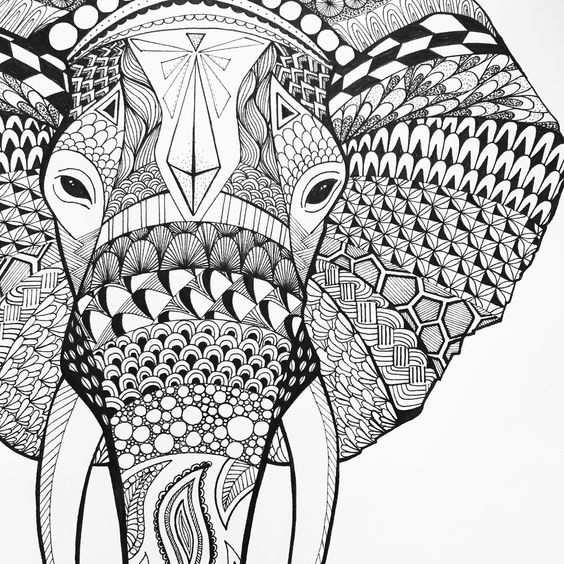
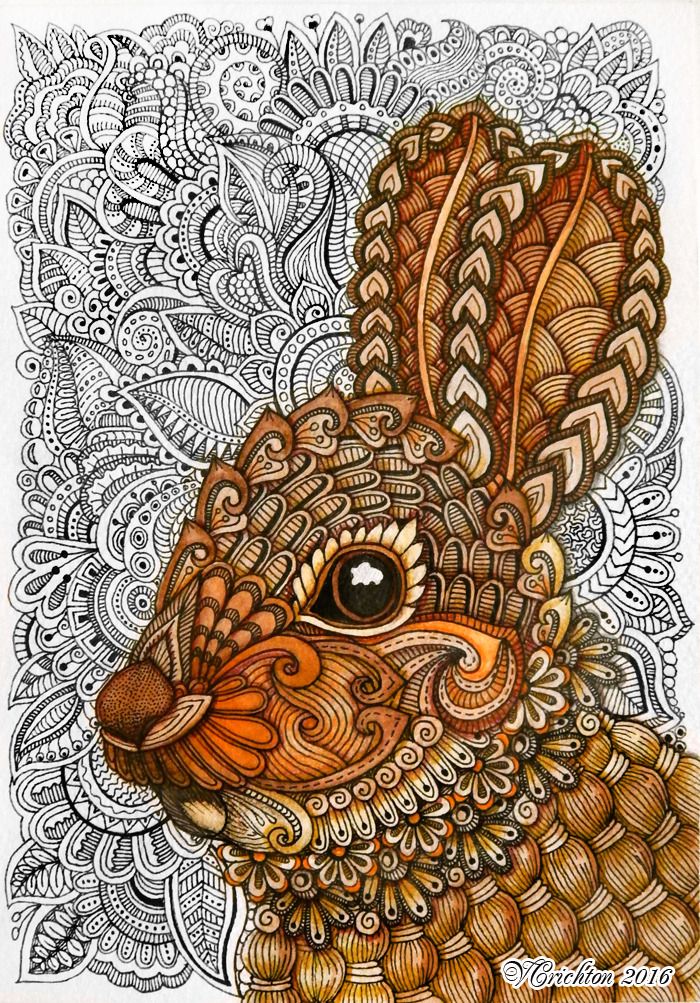
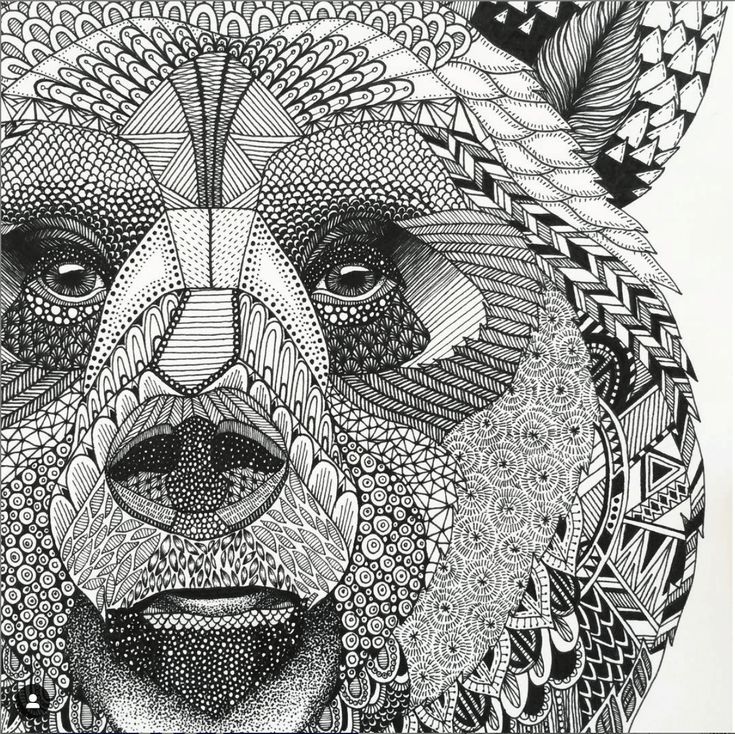
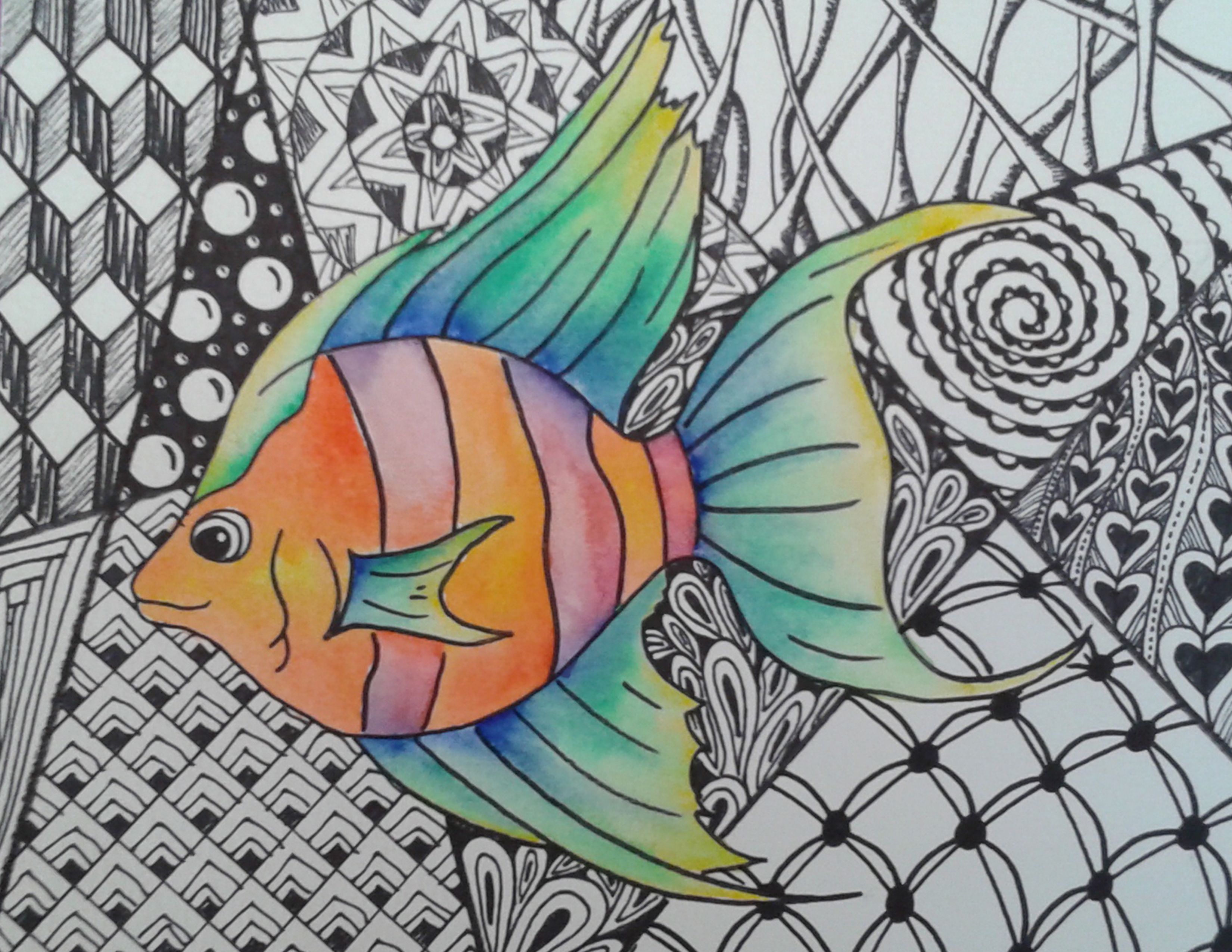
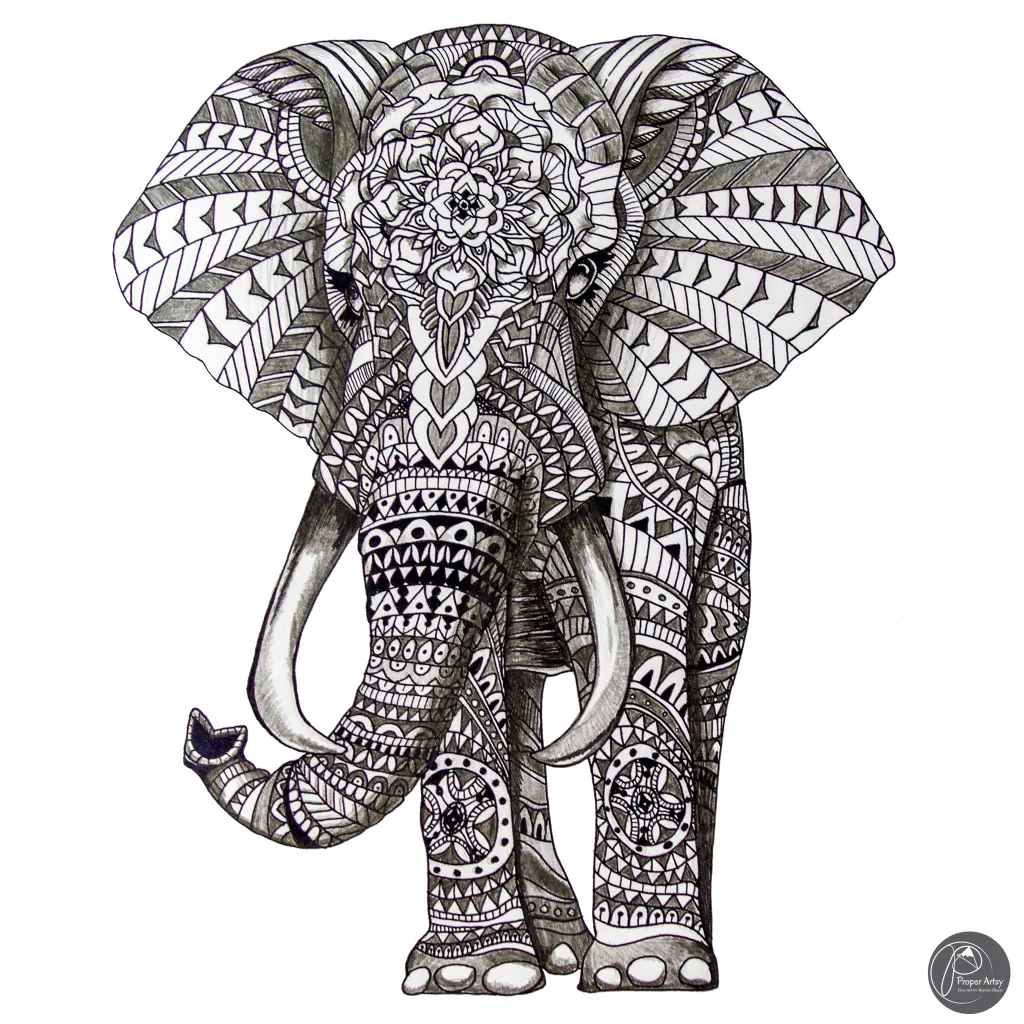
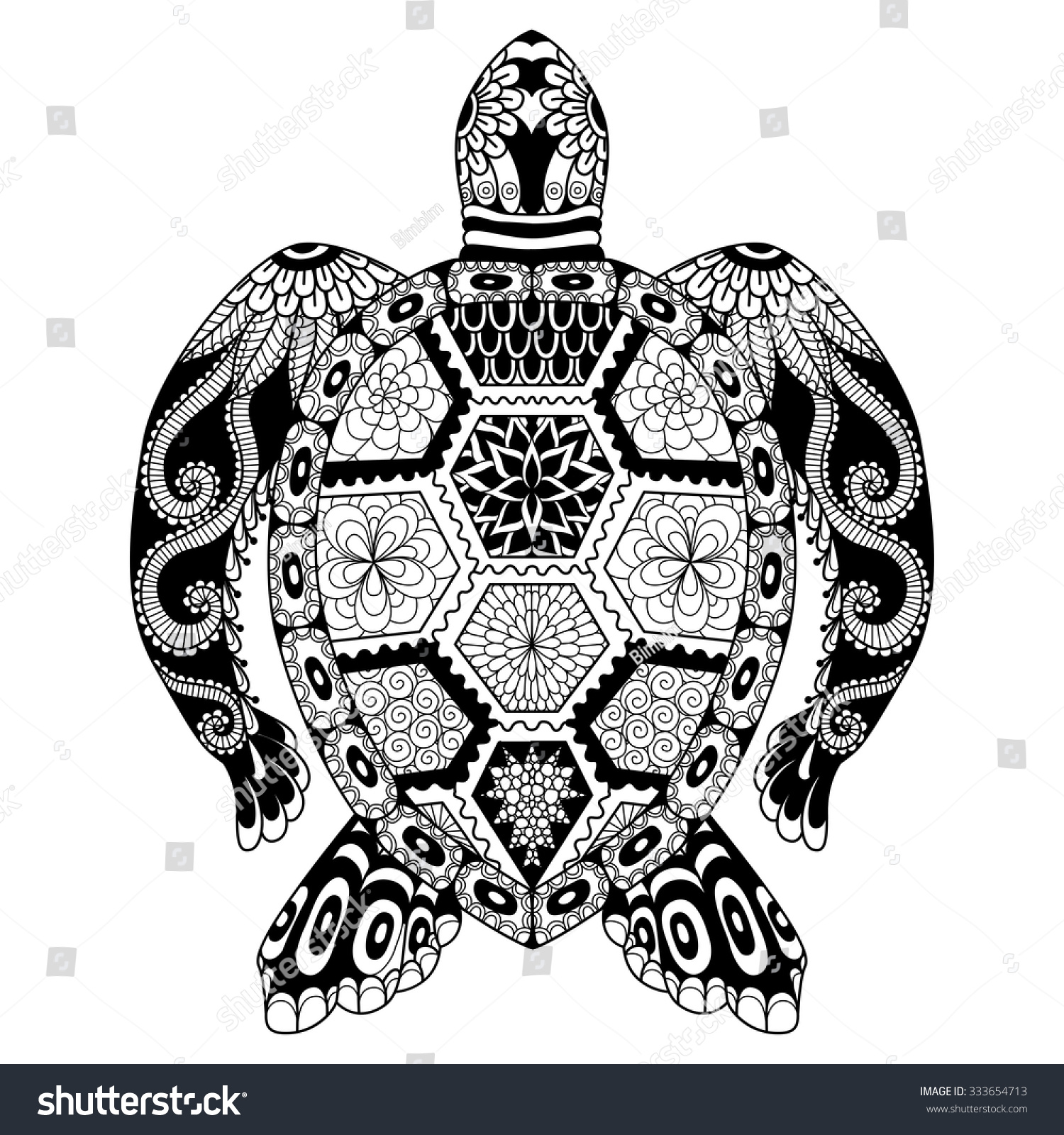
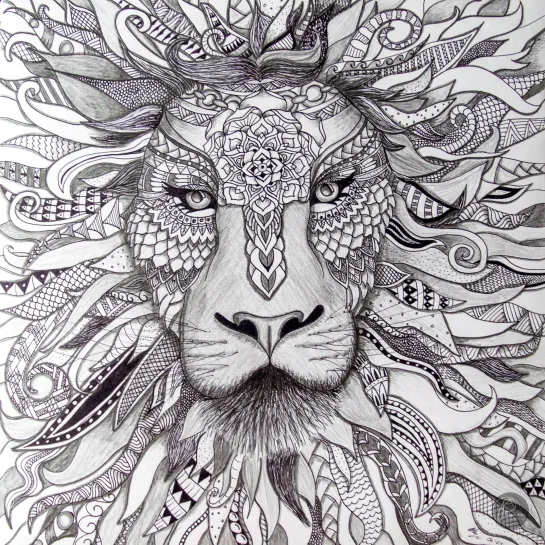
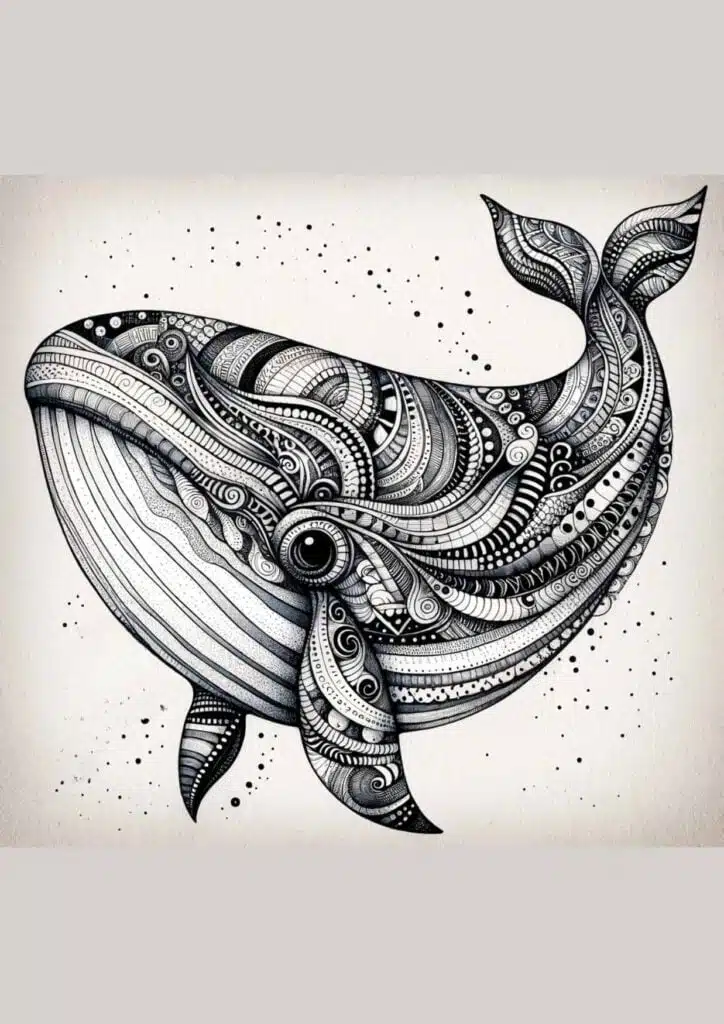
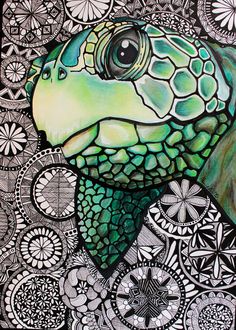
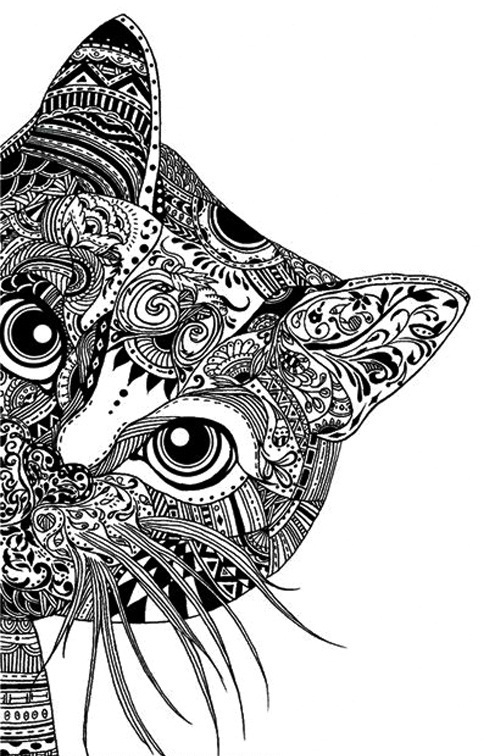
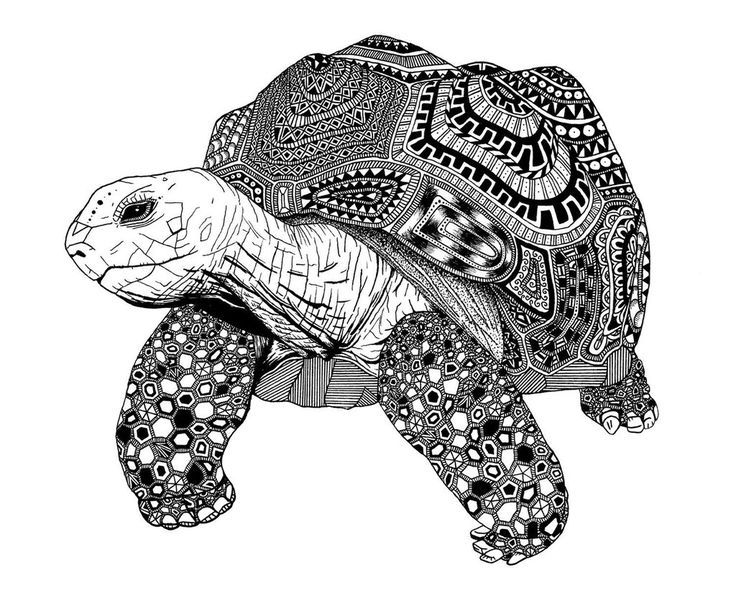
In this project, students will design and create a Zentangle-inspired animal ink drawing that combines realistic animal forms with intricate patterns and line-based designs. Using pen and ink techniques, students will fill sections of an animal composition with repeated patterns (tangles) to create contrast, texture, and visual movement.
The goal is to explore how line, pattern, contrast, and movement can transform a simple animal drawing into a highly detailed and expressive artwork. Students will focus on mark-making, creative pattern development, and the intentional use of black and white space to create strong visual impact.
Objectives
Students will:
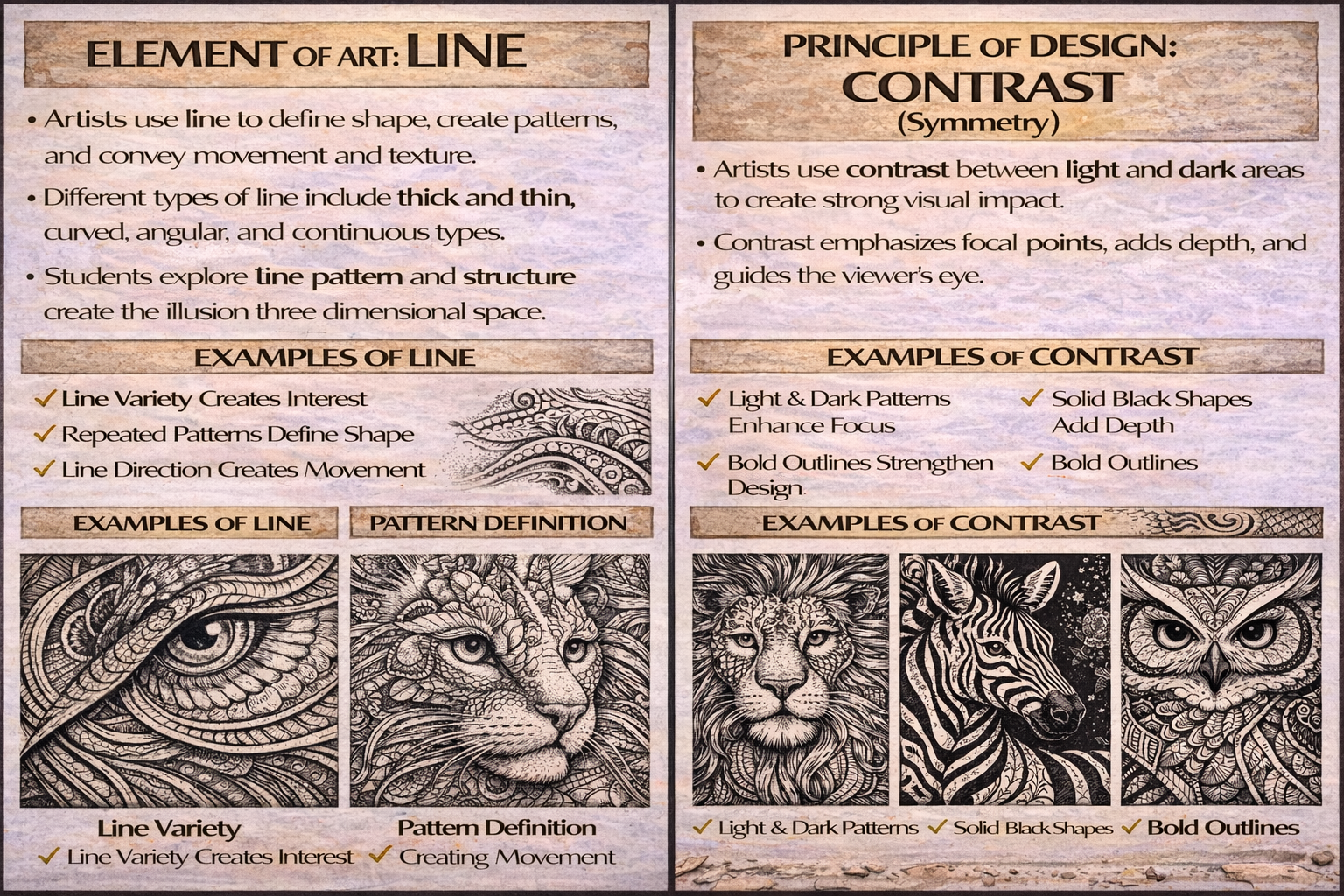
* Apply elements of art (line, pattern, contrast, movement).
* Develop a variety of line qualities (thick, thin, curved, angular, continuous).
* Create and apply original and inspired Zentangle patterns.
* Use contrast (black vs. white, dense vs. open patterns) to create emphasis.
* Demonstrate control and craftsmanship using ink media.
* Organize patterns to enhance the form and movement of the animal.
Materials
* Drawing paper
* Pencil (for sketching)
* Fine-tip black pens (Micron or similar)
* Sharpie or thicker markers (optional for bold contrast)
* Eraser
* Reference images of animals
* Sketchbook or planning worksheet
Process
1. Planning & Concept:
Choose an animal as your subject. Consider the pose and shape of the animal and how it can be divided into sections for pattern work.
2. Research & Inspiration:
Explore Zentangle patterns and examples of patterned animal artwork. Observe how artists use line and repetition to create texture and movement.
3. Sketching:
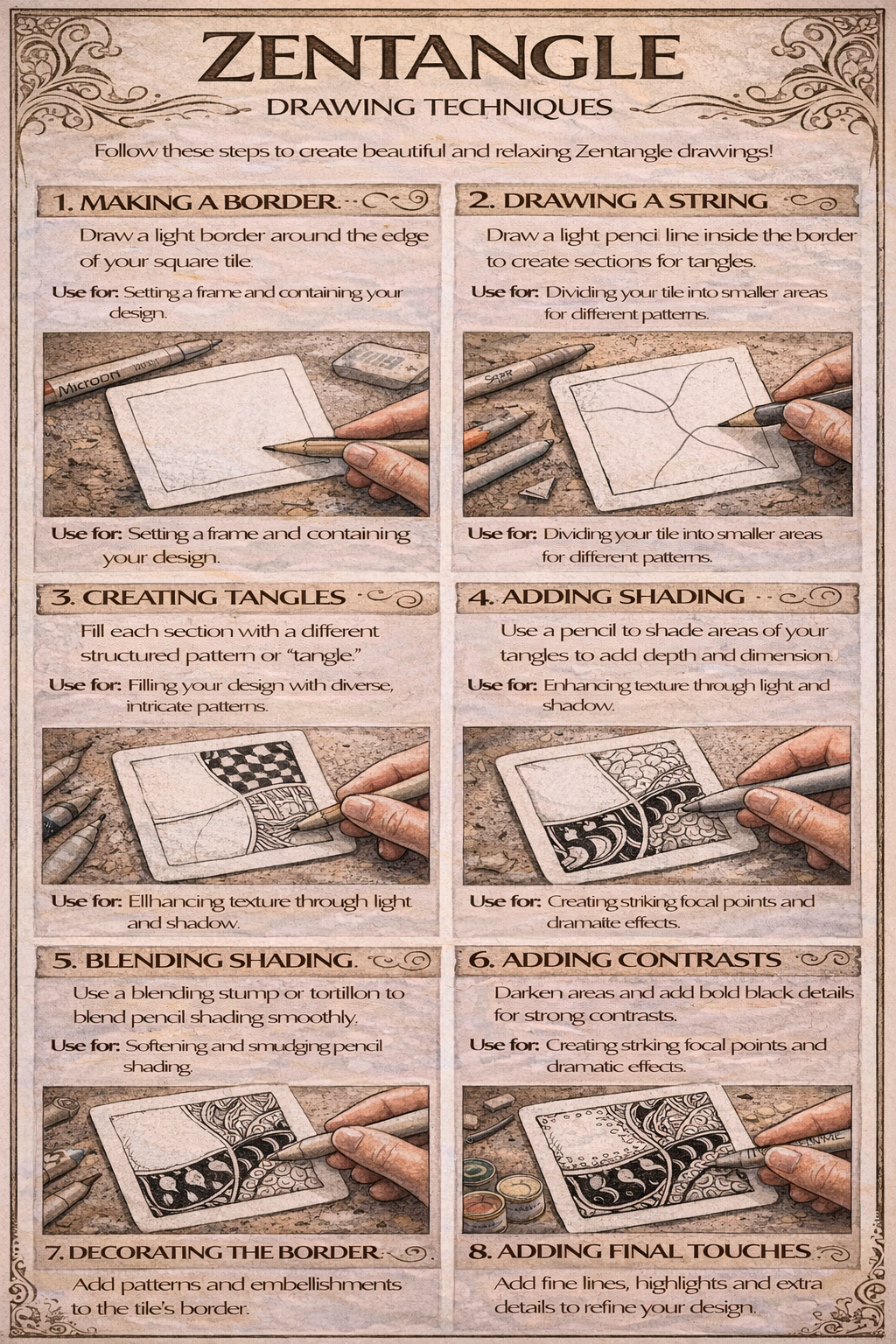
Lightly draw the outline of your animal. Divide the form into sections or shapes that will be filled with different patterns.
4. Line Work (Inking the Outline):
Trace your final drawing using ink. Focus on confident, clean lines to define the structure of the animal.
5. Pattern Development:
Fill each section with unique patterns using repeated lines, shapes, and marks. Vary density and direction to create interest.
6. Contrast & Movement:
Add areas of solid black and high-detail patterns to create contrast. Use line direction and pattern flow to guide the viewer’s eye across the artwork.
7. Final Refinement:
Clean up any pencil marks and refine details. Ensure patterns are consistent, balanced, and visually engaging.
Assessment Criteria
* Strong use of line variety and control
* Creative and consistent pattern development
* Effective use of contrast (black and white)
* Clear sense of movement and visual flow
* Craftsmanship and attention to detail
* Completion and overall composition quality
Creative Challenge
Zentangle art is about relaxation, focus, and creativity through repetition. Consider how your patterns can enhance the personality and movement of your animal. Do your lines feel energetic, calm, chaotic, or flowing?
How can you use contrast to make certain areas stand out? Can you create the illusion of texture—like fur, feathers, or scales—using only line and pattern?
This project encourages students to combine drawing, design, and mindful mark-making to create detailed, expressive artworks using simple materials and powerful visual elements.
Learning Objectives / Student Targets
Learning Targets
By the end of this project, students will be able to:
1. Understanding of Line & Pattern
* Identify and apply a variety of line types (thick, thin, curved, angular, continuous).
* Create repeated patterns (Zentangles) to build texture and visual interest.
* Demonstrate how line and pattern work together to define form.
2. Drawing & Technical Skills
* Accurately sketch and refine an animal form using observation or reference.
* Use pen and ink with control and precision.
* Demonstrate clean, confident line work without over-sketching.
3. Pattern Development & Design
* Develop a variety of original and inspired Zentangle patterns.
* Fill sections thoughtfully with patterns that vary in scale and complexity.
* Use repetition and variation to create rhythm and unity.
4. Contrast & Value (Black and White)
* Apply contrast using black ink and white space to create emphasis.
* Balance areas of dense pattern with open space for visual clarity.
* Use solid black areas to enhance focal points and depth.
5. Composition & Movement
* Organize patterns to follow the form and structure of the animal.
* Use line direction and pattern flow to create a sense of movement.
* Guide the viewer’s eye across the artwork through intentional design choices.
6. Creative & Critical Thinking
* Experiment with different pattern styles and combinations.
* Make intentional artistic decisions about placement, contrast, and detail.
* Solve visual challenges such as spacing, balance, and pattern transitions.
7. Craftsmanship & Artistic Growth
* Demonstrate attention to detail and neatness in ink work.
* Reflect on strengths and areas for improvement in their artwork.
* Show growth in confidence using line, pattern, and ink techniques.
Ohio Fine Arts Standards (Visual Arts)
Creating (Cr)
* Generate and conceptualize artistic ideas based on observation, imagination, and personal experience.
* Organize and develop artistic ideas using elements of art (line, pattern, contrast, movement).
* Apply creative thinking to design a Zentangle-inspired animal composition.
* Experiment with line, pattern, and mark-making techniques to create texture and visual interest.
Producing / Performing (Pr)
* Demonstrate skill and craftsmanship in the use of drawing tools (pen, ink, pencil).
* Manipulate line quality and pattern to create a cohesive two-dimensional artwork.
* Apply techniques such as outlining, patterning, and filling space to develop a finished composition.
* Use elements and principles of design to create a visually effective drawing.
* Solve visual problems related to spacing, pattern flow, and composition.
Responding (Re)
* Analyze how elements of art (line, contrast, pattern) are used in Zentangle and illustrative artworks.
* Interpret how artistic choices (line quality, density of pattern, contrast) communicate mood and movement.
* Reflect on personal artwork and identify strengths and areas for improvement.
* Use appropriate art vocabulary to describe processes, techniques, and outcomes.
Connecting (Co)
* Relate artistic ideas and work to personal experiences and interests (choice of animal subject).
* Identify how pattern and design are used in nature (fur, feathers, scales) and in cultural art forms.
* Understand the role of Zentangle as both an artistic and mindful drawing practice.
* Make connections between visual art and other disciplines (math through pattern/repetition, science through animal forms).
Enduring Understandings (Ohio Visual Art Framework)
* Personal Choice and Vision: Students express ideas through original patterns and animal design choices.
* Critical and Creative Thinking: Students experiment with line and pattern while solving compositional challenges.
* Authentic Application: Students apply drawing and design skills to create a detailed ink artwork.
* Literacy in the Arts: Students interpret and communicate meaning through line, pattern, and reflection.
Summary for Your Lesson Plan
This Zentangle Animal project aligns with Ohio’s standards by requiring students to:
* Create original patterned animal designs using line and imagination
* Produce a detailed ink drawing demonstrating craftsmanship and control
* Respond through reflection and critique using art vocabulary
* Connect their work to nature, pattern, and cross-curricular ideas like math and science
Grading Rubric
Rubrics have become popular with teachers as a means of communicating expectations for an assignment, providing focused feedback on works in progress, and grading final products. A rubric is a document that articulates the expectations for an assignment by listing the criteria, or what counts, and describing levels of quality from excellent to poor.


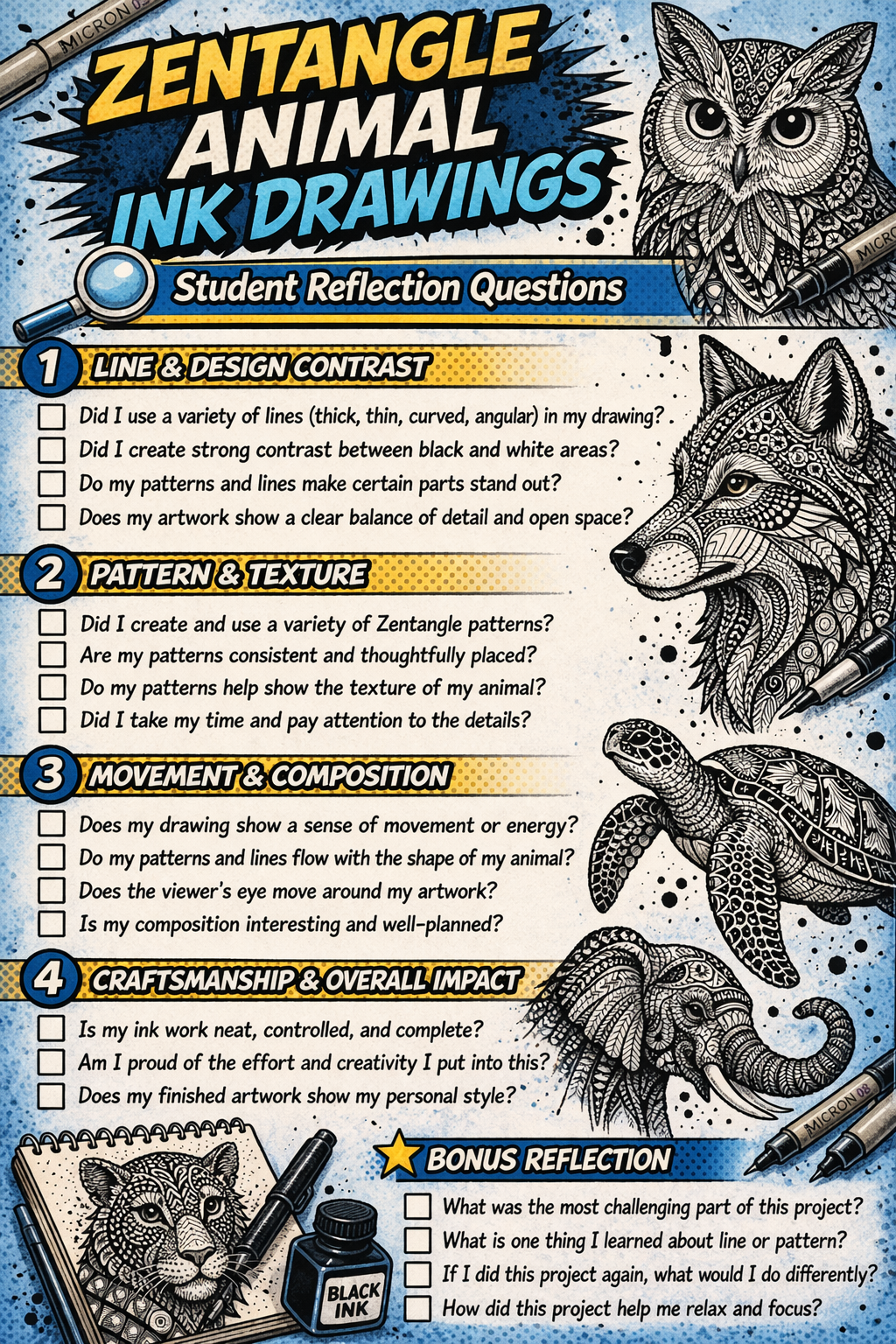
Student Reflection
A student reflection is a brief, thoughtful explanation of how and why a student created their artwork, including the choices they made, challenges they faced, and what they learned during the process. In art, reflection is important because it helps students develop critical thinking, recognize growth, strengthen their creative decision-making, and take ownership of their artistic development.
Element of Art & Principle of Design
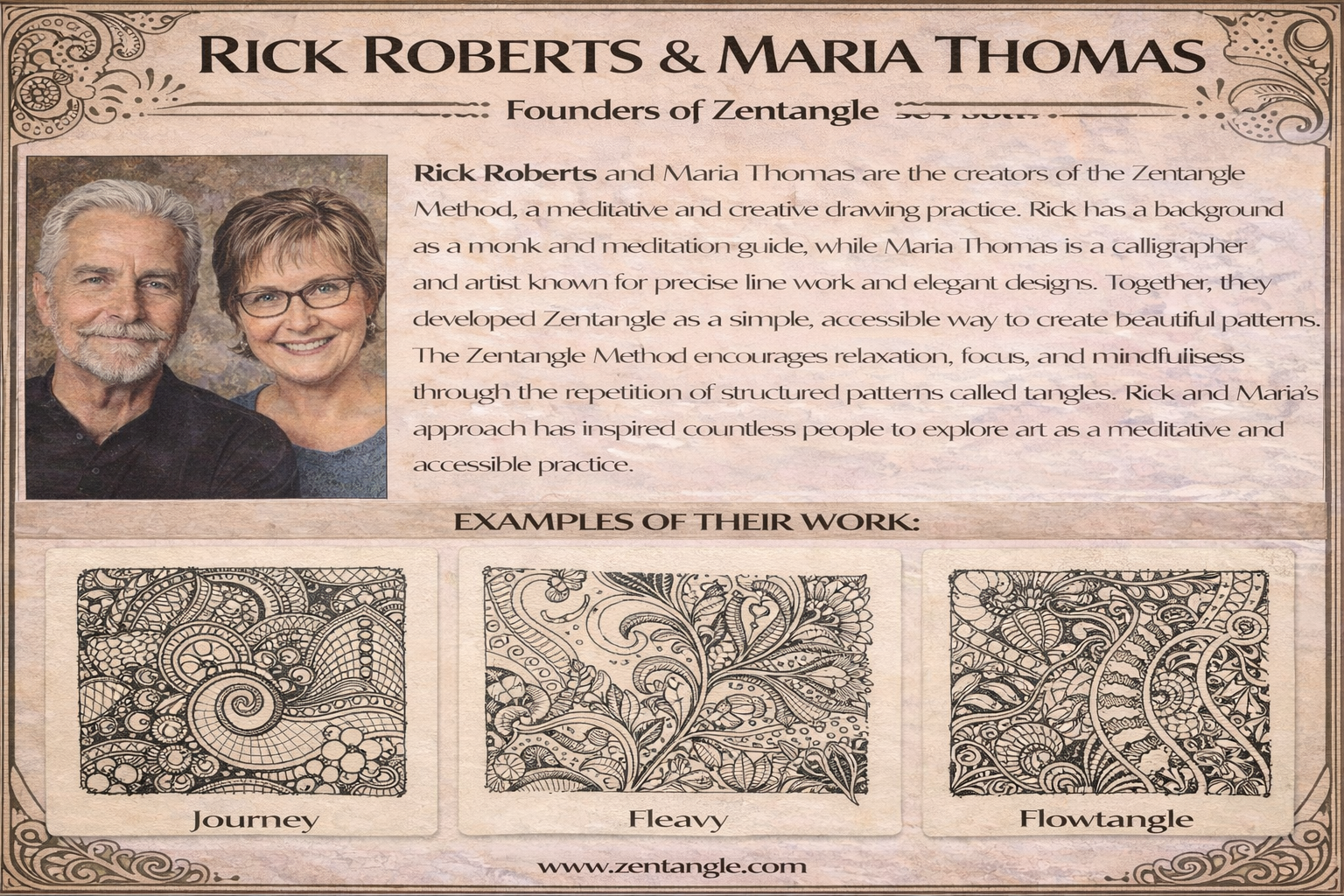
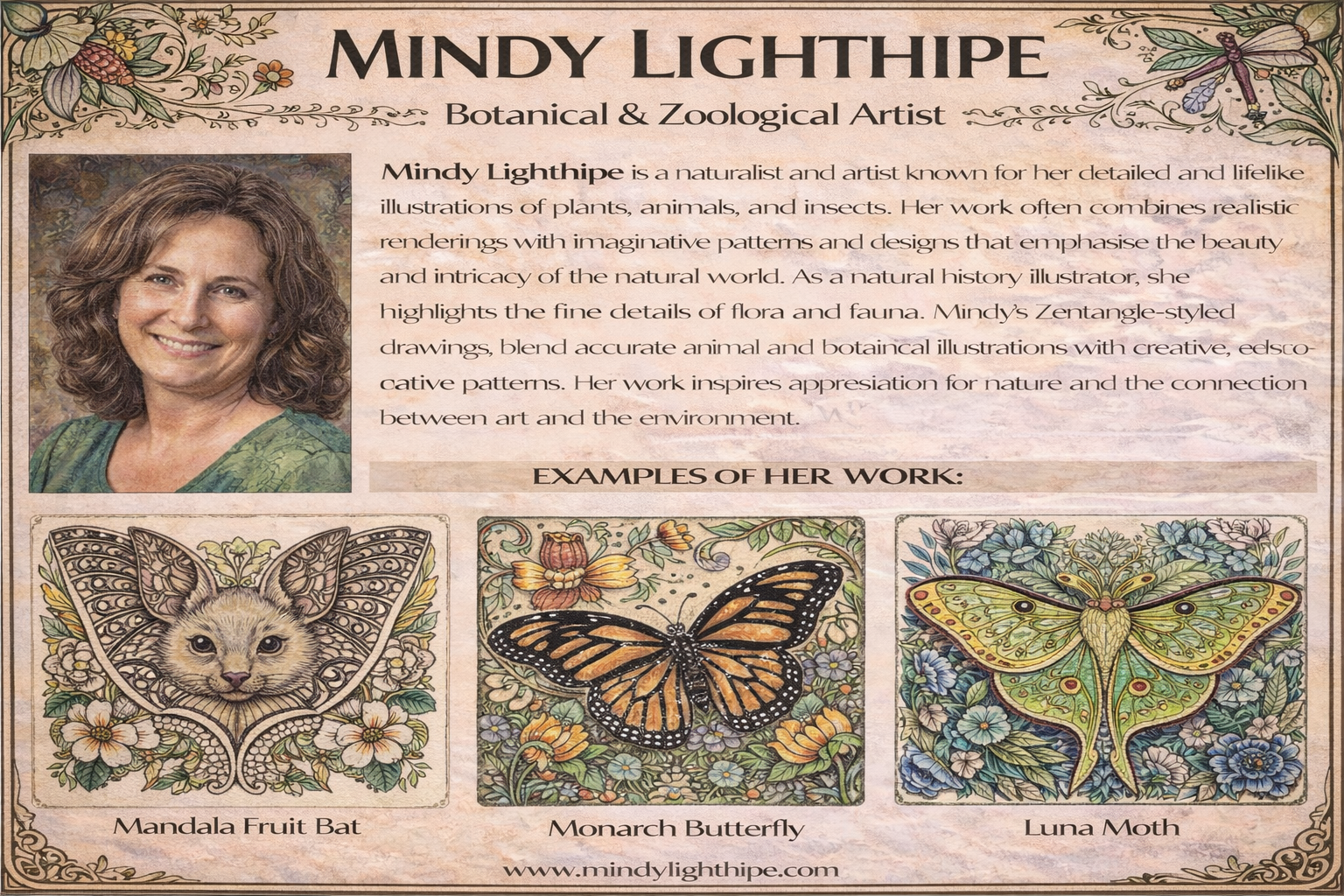
Zentangle Artists
Techniques
Project Demonstrations
Examples
“Creativity takes courage.”

Cloverleaf High School
Follow Us